


Patient information: uses, side effects, how to take - Estradiol Vaginal
What is the most important information I should know about estradiol vaginal cream 0.01% (an estrogen hormone)?
- Using estrogen-alone may increase your chance of getting cancer of the uterus (womb). Report any unusual vaginal bleeding right away while you are using estradiol vaginal cream 0.01%. Vaginal bleeding after menopause may be a warning sign of cancer of the uterus (womb). Have your healthcare provider check any unusual vaginal bleeding to find out the cause.
- Do not use estrogen-alone to prevent heart disease, heart attacks, strokes or dementia (decline in brain function).
- Using estrogen-alone may increase your chances of getting strokes or blood clots.
- Using estrogen-alone may increase your chance of getting dementia, based on a study of women - 65 years of age or older.
- Do not use estrogens with progestins to prevent heart disease, heart attacks, strokes or dementia.
- Using estrogens with progestins may increase your chances of getting heart attacks, strokes, breast cancer, or blood clots.
- Using estrogens with progestins may increase your chance of getting dementia, based on a study of women 65 years of age or older.
- Talk regularly with your healthcare provider about whether you still need treatment with estradiol vaginal cream 0.01%.
What is estradiol vaginal cream 0.01%?
Estradiol vaginal cream 0.01% is a prescription medicine that contains estradiol (an estrogen hormone).
What is estradiol vaginal cream 0.01% used for?
Estradiol vaginal cream 0.01% is used after menopause to:
- Treat moderate to severe menopausal changes in and around the vagina.
- Talk regularly with your healthcare provider about whether you still need treatment with estradiol vaginal cream 0.01%.
Who should not use estradiol vaginal cream 0.01%?
Do not start using estradiol vaginal cream 0.01% if you:
have unusual vaginal bleeding.
Vaginal bleeding after menopause may be a warning sign of cancer of the uterus (womb). Have your healthcare provider check any unusual bleeding to find out the cause.
currently have or have had certain cancers.
Estrogens may increase the chances of getting certain types of cancers, including cancer of the breast or uterus.
If you have or have had cancer, talk with your healthcare provider about whether you should use estradiol vaginal cream 0.01%.
- currently have or have had blood clots.
- had a stroke or heart attack.
are allergic to estradiol vaginal cream 0.01% or any of its ingredients.
See the list of ingredients in estradiol vaginal cream 0.01% at the end of this leaflet.
- currently have or have had liver problems.
- have been diagnosed with a bleeding disorder.
- think you may be pregnant.
Before you use estradiol vaginal cream 0.01%, tell your healthcare provider about all of your medical conditions, including if you:
have unusual vaginal bleeding.
Vaginal bleeding after menopause may be a warning sign of cancer of the uterus (womb). Your healthcare provider should check any unusual vaginal bleeding to find out the cause.
have any other medical conditions.
Your healthcare provider may need to check you more carefully if you have certain conditions, such as asthma (wheezing), diabetes, epilepsy (seizures), migraine, endometriosis, lupus, problems with your heart, liver, thyroid, kidneys, or have high calcium levels in your blood.
are going to have surgery or will be on bed rest.
Your healthcare provider will let you know if you need to stop using estradiol vaginal cream 0.01%.
are breastfeeding.
The hormone in estradiol vaginal cream 0.01% can pass into your breast milk.
Tell your healthcare provider about the medicines you take, including prescription and over-the-counter medicines, vitamins, and herbal supplements. Some medicines may affect how estradiol vaginal cream 0.01% works. Estradiol vaginal cream 0.01% may also affect how your other medicines work. Keep a list of your medicines and show it to your healthcare provider and pharmacist when you get a new medicine.
How should I use estradiol vaginal cream 0.01%?
Estradiol vaginal cream 0.01% is a cream that you place in your vagina with the applicator provided with the cream.
- Take the dose recommended by your healthcare provider and talk to them about how well that dose is working for you.
- Use estrogens at the lowest dose possible for your treatment only as long as needed. Talk regularly (for example, every 3 to 6 months) with your healthcare provider about the dose you are using and whether you still need treatment with estradiol vaginal cream 0.01%
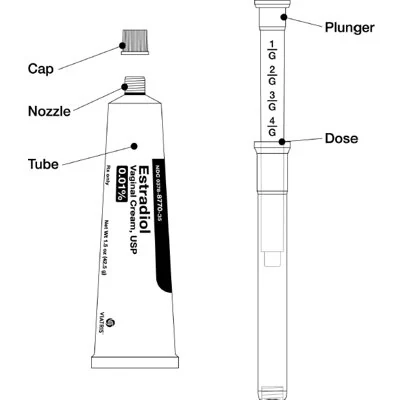
Figure A
Step 1. Wash and dry your hands well.
Step 2. Remove the cap from the estradiol vaginal cream 0.01% tube. (There is a seal on the tube. Use the opposite end of the cap to puncture the seal.)
Step 3. Hold the applicator as shown. Do not separate the plunger from applicator (Figure B).
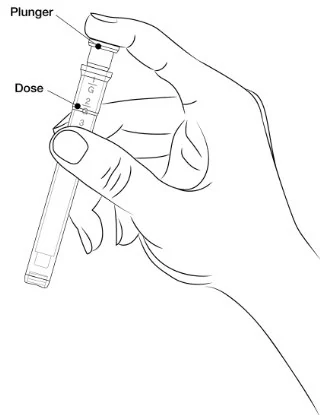
Figure B
Step 4. Screw threaded end of applicator onto the open nozzle of the estradiol vaginal cream 0.01% tube until secure. Do not attach the plunger end of the applicator onto the open estradiol vaginal cream 0.01% tube (see Figure C).
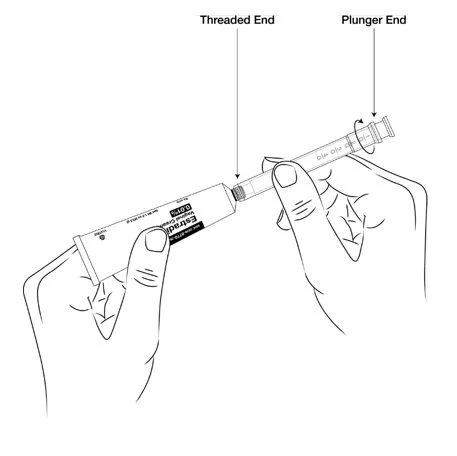
Figure C
Step 5. Position upright to view the calibrated gram amounts.
Step 6. Gently squeeze tube from the bottom to push the prescribed amount of
estradiol vaginal cream 0.01% into the applicator. As estradiol vaginal cream 0.01% is squeezed out, the plunger will rise to indicate the amount of grams (see Figure D).
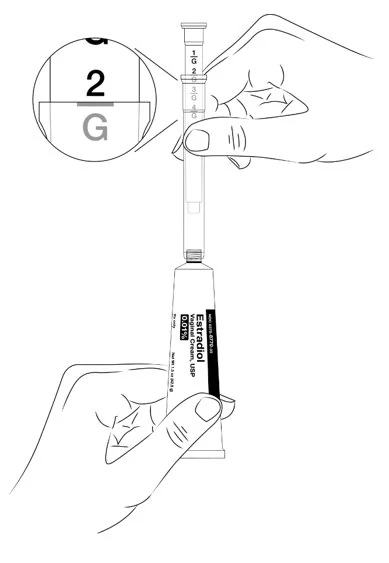
Figure D
*This Figure shows a 2 g dose for illustrative purposes only. Your prescribed dosage may vary.
Step 7. Unscrew applicator from tube.
Step 8. Replace cap on tube.
Step 9. Lie on your back with knees bent. To deliver the medicine, gently insert applicator deeply into your vagina and press the plunger downward to its original position (see Figure E).
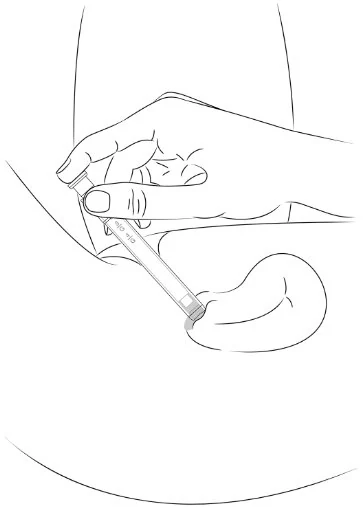
Figure E
Step 10. Remove the applicator from your vagina.
Step 11. To cleanse applicator: Pull plunger to remove it from barrel. Wash with mild soap and warm water (Do not boil or use hot water) (see Figure F).
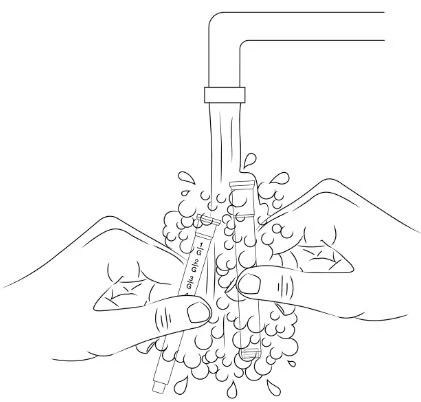
Figure F
What are the possible side effects of estradiol vaginal cream 0.01%?
Side effects are grouped by how serious they are and how often they happen when you are treated.
Serious, but less common side effects include:
- stroke
- blood clots
- breast cancer
- dementia
- high or low blood calcium
- severe allergic reaction
- high blood pressure
- liver problems
- fluid retention – this can make medical conditions worse in people with heart or kidney disease
- worsening of endometriosis
- changes in certain laboratory test results
- heart disease (such as heart attack)
- cancer of the lining of the uterus (womb)
- cancer of the ovary
- gallbladder disease
- changes in vision
- worsening of angioedema (swelling of face and tongue)
- high triglyceride (fat) levels in your blood
- low thyroid levels in your blood
- worsening of other medical conditions
- high blood sugar
- enlargement of benign tumors of the uterus (“fibroids”)
Call your healthcare provider right away if you get any of the following warning signs or any other unusual symptoms that concern you:
- new breast lumps
- unusual vaginal bleeding
- changes in vision or speech
- sudden new severe headaches
- severe pains in your chest or legs with or without shortness of breath, weakness and
- fatigue
- swollen lips, tongue or face
Less serious, but common side effects include:
- headache
- breast pain
- irregular vaginal bleeding or spotting
- stomach or abdominal cramps, bloating
- nausea and vomiting
- hair loss
- fluid retention
- vaginal yeast infection
- reactions from inserting estradiol vaginal cream 0.01%, such as vaginal burning, irritation, and itching
These are not all the possible side effects of estradiol vaginal cream 0.01%. For more information, ask your healthcare provider or pharmacist for advice about side effects. Call your doctor for medical advice about side effects. You may report side effects to FDA at 1-800-FDA-1088.
How should I store estradiol vaginal cream 0.01%?
- Store estradiol vaginal cream 0.01% at room temperature between 20° to 25°C (68° to 77°F)
- Protect from temperatures above 40°C (104°F)
- Keep estradiol vaginal cream 0.01% and all medicines out of the reach of children
What can I do to lower my chances of a serious side effect with estradiol vaginal cream 0.01%?
- Talk with your healthcare provider regularly about whether you should continue using estradiol vaginal cream 0.01%.
- If you have a uterus, talk with your healthcare provider about whether the addition of a progestin is right for you. In general, the addition of a progestin is generally recommended for a woman with a uterus to reduce the chance of getting cancer of the uterus.
- See your healthcare provider right away if you get vaginal bleeding while using estradiol vaginal cream 0.01%.
- Have a pelvic exam, breast exam and mammogram (breast X-ray) every year unless your healthcare provider tells you something else. If members of your family have had breast cancer or if you have ever had breast lumps or an abnormal mammogram, you may need to have breast exams more often.
- If you have high blood pressure, high cholesterol (fat in the blood), diabetes, are overweight, or if you use tobacco, you may have higher chances for getting heart disease. Ask your healthcare provider for ways to lower your chances for getting heart disease.
General information about safe and effective use of estradiol vaginal cream 0.01%
Medicines are sometimes prescribed for purposes other than those listed in Patient Information leaflets. Do not use estradiol vaginal cream 0.01% for conditions for which it was not prescribed. Do not give estradiol vaginal cream 0.01% to other people, even if they have the same symptoms you have. It may harm them. You can ask your pharmacist or healthcare provider for information about estradiol vaginal cream 0.01% that is written for health professionals.
What are the ingredients in estradiol vaginal cream 0.01%?
Active Ingredient: estradiol
Inactive Ingredients: edetate disodium, hypromellose, methylparaben, mono- and di-glycerides, propylene glycol, purified water, sodium lauryl sulfate, stearyl alcohol, tert-butylhydroquinone and white ceresin wax.
Distributed by: Mylan Pharmaceuticals Inc., a Viatris Company, Morgantown, WV 26505 U.S.A.
Distributed by:
Mylan Pharmaceuticals Inc., a Viatris Company
Morgantown, WV 26505 U.S.A.
101060 Revised: 2/2026
1363.7 KP:EVAGCR:R3