


Patient information: uses, side effects, how to take - Ruconest
What is RUCONEST?
RUCONEST is an injectable medicine that is used to treat acute angioedema attacks in adult and adolescent patients with Hereditary Angioedema (HAE). HAE is caused by a shortage of a protein called C1 esterase inhibitor, that is present in your blood and helps control inflammation (swelling) and parts of the immune system. A shortage of C1 esterase inhibitor can lead to repeated attacks of swelling, pain in the abdomen, difficulty breathing and other symptoms. RUCONEST contains C1 esterase inhibitor.
Who should not use RUCONEST?
You should not use RUCONEST if you have a known or suspected allergy (hypersensitivity) to rabbits or rabbit-derived products.
You should not use RUCONEST if you have experienced life-threatening immediate hypersensitivity reactions, including anaphylaxis, to RUCONEST or to any other C1 esterase inhibitor product.
RUCONEST is not indicated for use in children under the age of 13 years.
What should I tell my healthcare provider before using RUCONEST?
Tell your healthcare provider about all of your medical conditions, including if you:
- have an allergy to rabbits since this can put you at high risk of a serious allergic reaction with RUCONEST. These allergy symptoms could include runny nose, itchy nose, sneezing, coughing, wheezing, difficulty breathing or watery eyes when you are near rabbits.
- are pregnant or planning to become pregnant. It is not known if RUCONEST can harm your unborn baby.
are breastfeeding or plan to breastfeed. It is not known if RUCONEST passes to your milk and if it can harm your baby.
Tell your healthcare provider and pharmacist about all of the medicines you take, including all prescription and non-prescription medicines such as over-the-counter medicines, supplements, or herbal remedies.
How is RUCONEST given?
RUCONEST will be slowly injected into your vein (intravenous injection). Before injection, the RUCONEST powder must be dissolved using sterile Water for Injection. The dose will be determined based on your weight.
Most of the time a single dose of RUCONEST is enough to treat an attack, but a second dose may be needed.
What are the possible side effects of RUCONEST?
Like all medicines, RUCONEST can cause side effects, although not everybody gets them.
Allergic reactions may occur with RUCONEST. Call your healthcare provider or the emergency department immediately if you have any of the following symptoms after receiving RUCONEST:
- wheezing
- difficulty breathing
- chest tightness
- turning blue (look at lips and gums)
- fast heartbeat
- swelling
- faintness
- rash
- hives
In clinical studies, the most severe side effect reported in a person who received RUCONEST was a severe allergic reaction in a subject who was allergic to rabbits.
Other side effects patients experienced during clinical research studies include:
- headache
- nausea
- diarrhea
These are not all the possible side effects of RUCONEST.
If any of the side effects get serious, or if you notice any side effects not listed in the leaflet, please inform your healthcare provider or pharmacist. You can also report side effects to the FDA at 1-800-FDA-1088 or www.fda.gov/medwatch or contact Pharming Healthcare Inc. at 1-800-930-5221.
You can ask your healthcare provider for information about RUCONEST that is written for healthcare providers.
General Information about RUCONEST
Do not use RUCONEST for a condition for which it is not prescribed.
If you would like more information, talk to your healthcare provider. You can ask your healthcare provider or pharmacist for information about RUCONEST that was written for healthcare professionals.
For more information go to www.ruconest.com or call 1-800-930-5221.
| RECOMMENDED PREPARATION OF MEDICATION AND MATERIALS | |
| Use aseptic (sterile) technique when preparing and administering RUCONEST. | |
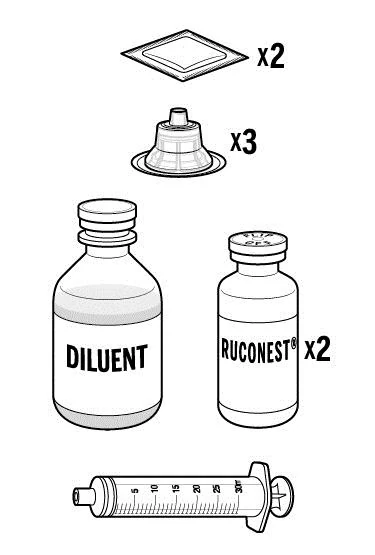
Step 1: Assemble supplies from medication box on a clean flat surface.
|  |
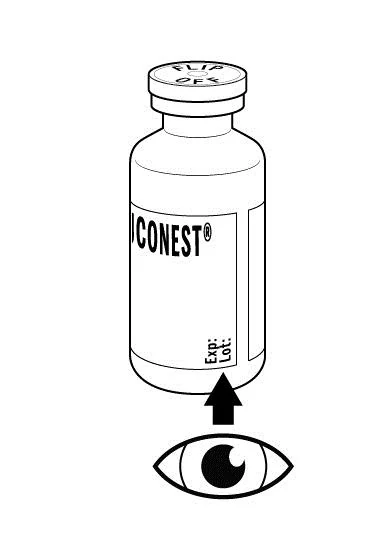
Step 2: Inspect the RUCONEST vial. Do not use if:
|  |
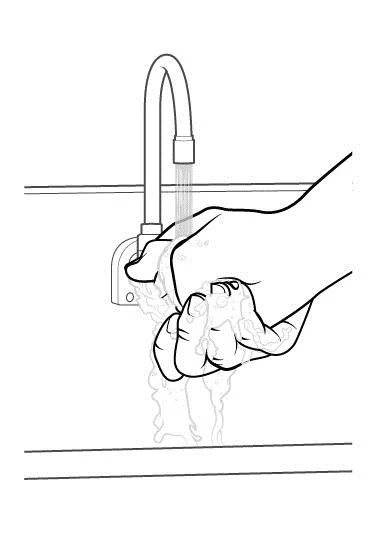
Step 3: Wash hands.
|  |
DOSAGE VERIFICATION
Discuss this section with your healthcare provider to ensure that the correct dose of RUCONEST is administered.
- The dose of RUCONEST and volume (mL) of reconstituted solution to be administered is based on body weight show in the chart below. No more than 2 vials may be combined for a single dose.
| Body weight | RUCONEST dose for intravenous injection | Volume (mL) of reconstituted solution (150 U/mL) to be administered |
| <84 kg (185.2 lb) | 50 U per kg of body weight | Body weight in kg divided by 3 |
| ≥84 kg (185.2 lb) | 4200 U (2 vials) | 28 mL |
RECONSTITUTION The procedures below are provided as general guidelines for the reconstitution of RUCONEST. | |
Step 1: Ensure that the RUCONEST vials and the diluent vial are at room temperature (range of 68°F - 77°F or 20°C - 25°C). The RUCONEST vial is for single | |
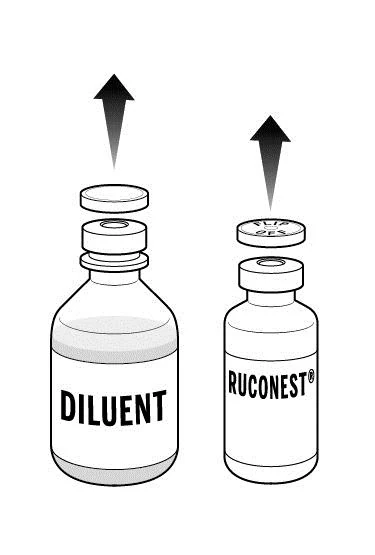
Step 2: Place the 2 RUCONEST vials and the diluent vial on a flat surface and remove the flip caps on each vial
|  |
Step 3: Peel back the covers from the clear plastic vial adapter packages.
| |
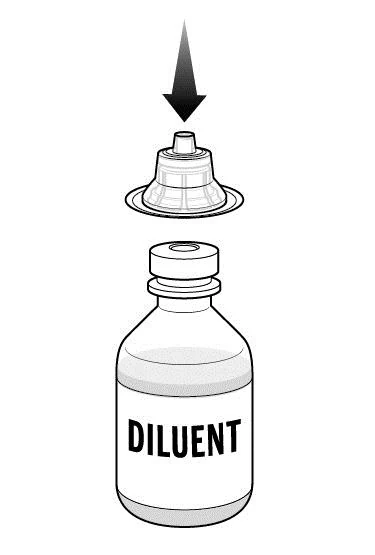
Step 4: While holding the adapter in its package, place the first adapter over the diluent vial and press down until the device snaps into place.
|  |
Step 5: Now, place a 2nd adapter over a RUCONEST vial and press down until it snaps into place. Repeat if your dose requires a 2nd RUCONEST vial. | 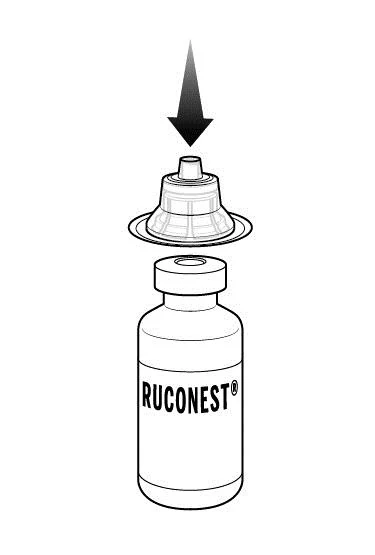 |
| Step 6: Lift the package away from the diluent adapter. | |
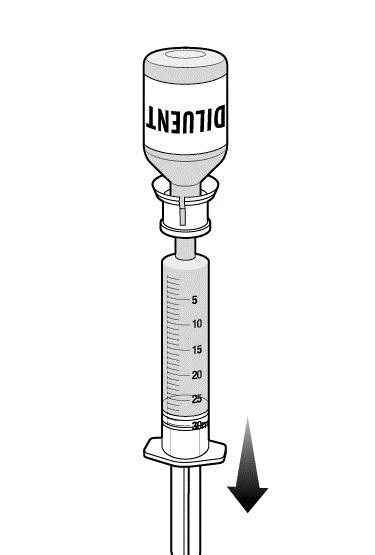
Step 7: Remove syringe from package and withdraw sterile water for injection from the diluent vial.
|  |
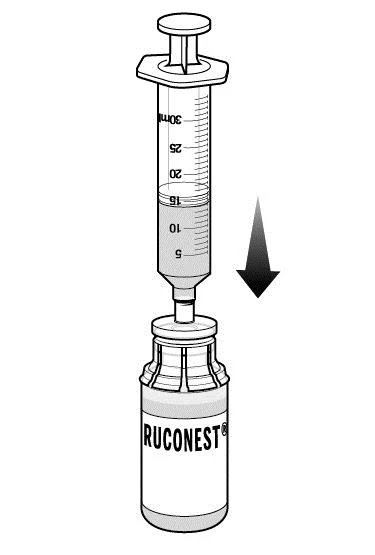
Step 8: Transfer the diluent to the RUCONEST vial.
|  |
Step 9: Swirl the vial to mix. Do this slowly to avoid foaming. Repeat Steps 8 and 9 if you are using a second RUCONEST vial. Remove syringe from the first RUCONEST vial prior to attaching to the second vial. | 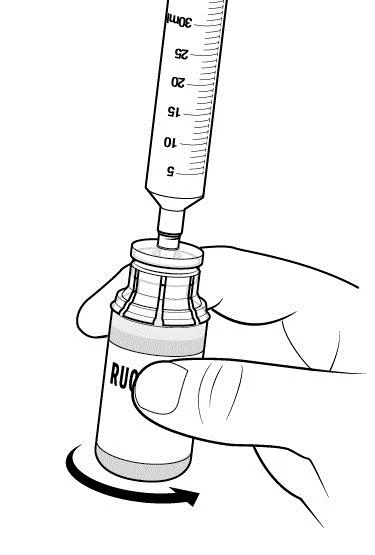 |
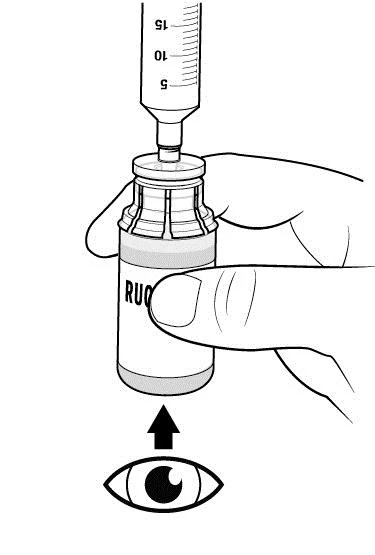
Step 10: Inspect RUCONEST vial(s) visually.
|  |
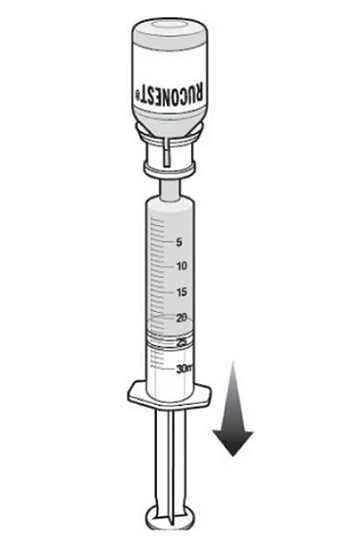
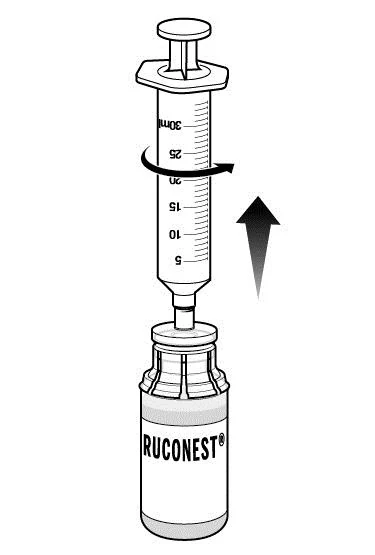
Step 11: With the syringe still connected to the RUCONEST vial, turn the vial upside down.
|   |
Step 12: Repeat Step 11 and withdraw additional reconstituted RUCONEST from the second RUCONEST vial (if needed).
| |
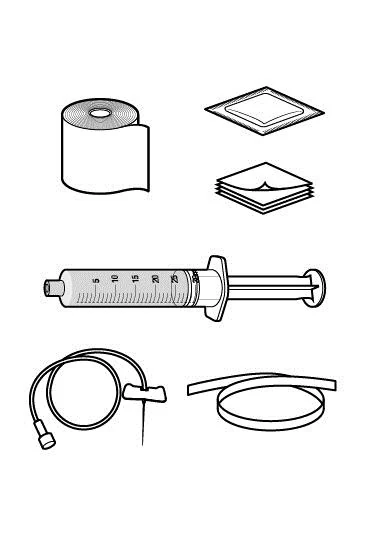
SELF-ADMINISTRATION (intravenous injection) Your healthcare provider will teach you how to safely administer RUCONEST. It is important that you inject RUCONEST directly into a visible vein. Do not inject into surrounding tissues or an artery. Once you learn how to self-administer, follow the instructions provided below. The reconstituted solution should be used within 8 hours and should be cooled but not be frozen. | |
Step 1: Assemble supplies.
|  |
Step 2: Clean surface.
| |
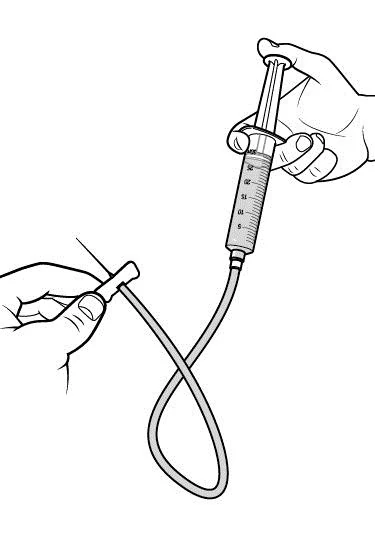
Step 3: Prime the infusion set. As instructed by your healthcare provider:
|  |
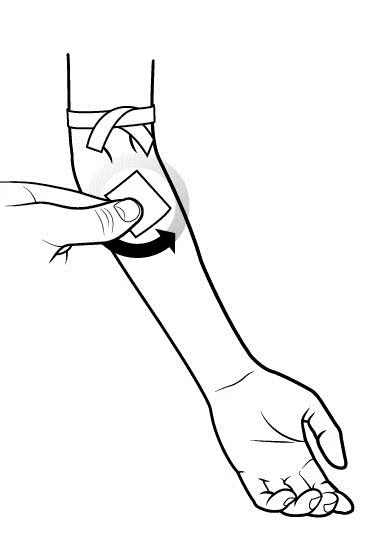
Step 4: Prepare the approved IV injection site.
|  |
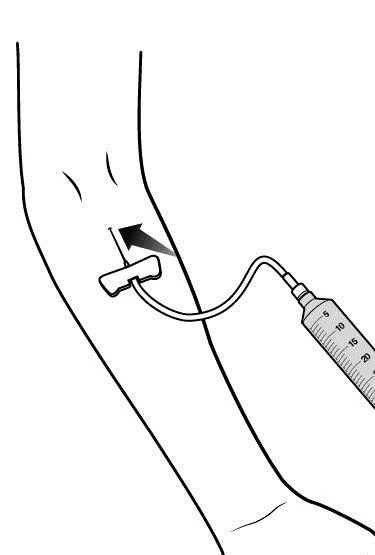
Step 5: Start infusion. Follow the instructions provided by your healthcare provider.
|  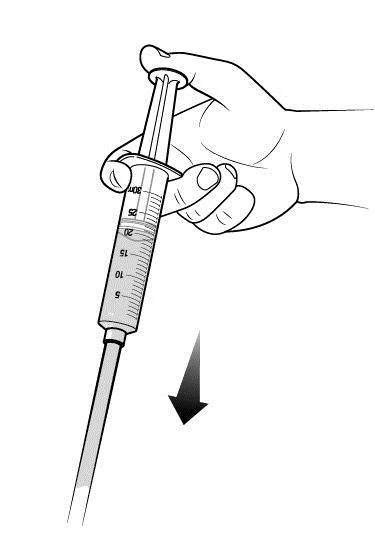 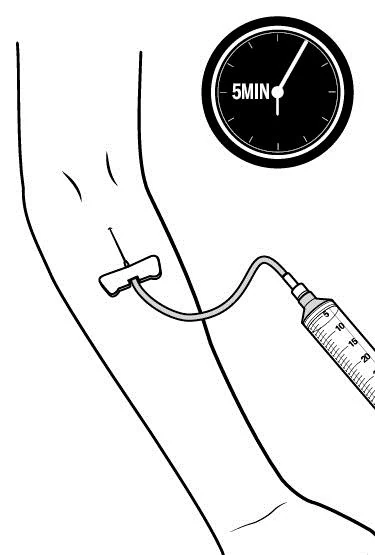 |
Step 6: Cover the injection site and clean up. After all of the RUCONEST has been infused:
| 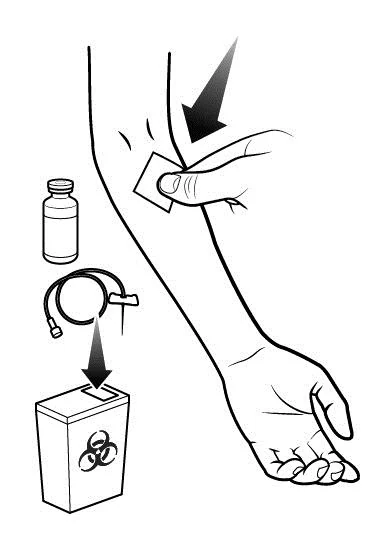 |
POST-ADMINISTRATION The procedures below are provided as general guidelines for after the infusion of RUCONEST. | |
Record each injection into treatment journal.
| |
This Patient Package Insert has been approved by the US Food and Drug Administration.
Manufactured by:
Pharming Americas B.V.
Darwinweg 24
2333 CR Leiden
The Netherlands
RUCONEST ® is a registered trademark of Pharming Intellectual Property B.V.
Distributed by:
Pharming Healthcare Inc.
Warren NJ 07059
Product protected by U.S. patent Nos. 7,067,713 and RE43691.
Please see www.ruconest.com for patent information.
US License No. 2079

Revised: APR 2020