


Patient information: uses, side effects, how to take - Rilpivirine
What are rilpivirine tablets?
- Rilpivirine tablets are prescription medicines that are used with other human immunodeficiency virus-1 (HIV-1) medicines to treat HIV-1 infection in people12 years of age and older and who weigh at least 77 pounds (lbs) or 35 kilograms (kg) who:
- have never taken HIV-1 medicines before, and
- have an amount of HIV-1 in their blood (this is called ‘viral load’) that is no more than 100,000 copies/mL.
- Rilpivirine tablets are also used with oral VOCABRIA (cabotegravir) for short term treatment of HIV-1 infection in people 12 years of age and older and who weigh at least 77 lbs (35 kg) when their healthcare provider determines that they meet certain requirements.
HIV-1 is the virus that causes AIDS (Acquired Immune Deficiency Syndrome).
If you take rilpivirine tablets in combination with oral VOCABRIA (cabotegravir), you should also read the Patient Information that comes with oral VOCABRIA (cabotegravir).
It is not known if rilpivirine tablets are safe and effective in children less than 2 years of age or who weigh less than 31 lbs (14 kg).
Do not take rilpivirine tablets if you are taking any of the following medicines:
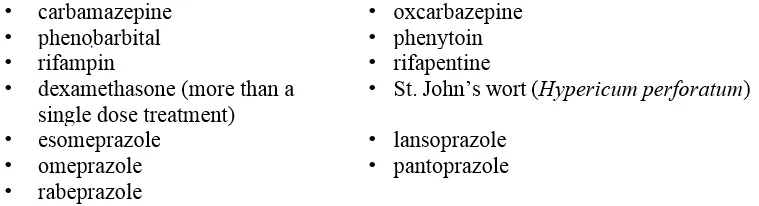
Before taking rilpivirine tablets, tell your healthcare provider about all your medical conditions, including if you:
- have ever had a severe skin rash or an allergic reaction to medicines that contain rilpivirine
- have or had liver problems, including hepatitis B or C virus infection
- have kidney problems
- have ever had a mental health problem
are pregnant or plan to become pregnant. It is not known if rilpivirine tablets will harm your unborn baby. Tell your healthcare provider if you become pregnant during treatment with rilpivirine tablets.
- Pregnancy Registry: There is a pregnancy registry for women who take rilpivirine tablets during pregnancy. The purpose of this registry is to collect information about the health of you and your baby. Talk with your healthcare provider about how you can take part in this registry.
- are breastfeeding or plan to breastfeed. Rilpivirine can pass into your breast milk. Talk with your healthcare provider about the following risks of breastfeeding during treatment with rilpivirine tablets:
- The HIV-1 virus may pass to your baby if your baby does not have the HIV-1 infection.
- The HIV-1 virus may become harder to treat if your baby has HIV-1 infection.
- Your baby may get side effects from rilpivirine tablets.
Tell your healthcare provider about all the medicines you take, including prescription and over-the-counter medicines, vitamins, and herbal supplements. Some medicines interact with rilpivirine tablets. Keep a list of your medicines to show your healthcare provider and pharmacist when you get a new medicine.
- You can ask your healthcare provider or pharmacist for a list of medicines that interact with rilpivirine tablets.
- Do not start taking a new medicine without telling your healthcare provider. Your healthcare provider can tell you if it is safe to take rilpivirine tablets with other medicines.
How should I take rilpivirine tablets?
- Take rilpivirine tablets exactly as your healthcare provider tells you to.
Take rilpivirine tablets 1 time each day with a meal. A protein drink or yogurt alone does not replace a meal.
- Rilpivirine tablets must be used with other HIV-1 medicines.
- Do not change your dose or stop taking rilpivirine tablets without first talking with your healthcare provider.
- Stay under the care of your healthcare provider during treatment with rilpivirine tablets.
- EDURANT PED tablets for oral suspensionprovided in a blister package are not the same as rilpivirine tablets provided in a bottle and cannot be substituted for each other. Contact your pharmacist or healthcare provider if you did not receive the correct dosage form.
- If you take an H2-receptor antagonist (such as famotidine, cimetidine, nizatidine, or ranitidine), you should take these medicines at least 12 hours before or at least 4 hours after you take rilpivirine tablets.
- If you take antacids, or other products that contain aluminum, calcium carbonate, or magnesium hydroxide, you should take these medicines at least 2 hours before or at least 4 hours after you take rilpivirine tablets.
- Do not miss a dose of rilpivirine tablets.
- If you miss a dose of rilpivirine tablets within 12 hours of the time you usually take it, take your dose of rilpivirine tablets with a meal as soon as possible. Then, take your next dose of rilpivirine tablets at the regularly scheduled time. If you miss a dose of rilpivirine tablets by more than 12 hours of the time you usually take it, wait and then take the next dose of rilpivirine tablets at the regularly scheduled time.
- Do not take more than your prescribed dose to make up for a missed dose or take less than your prescribed dose.
- If you take too many rilpivirine tablets, call your healthcare provider or go to the nearest hospital emergency room right away.
- When your supply of rilpivirine tablets starts to run low, get more from your healthcare provider or pharmacy. It is important not to run out of rilpivirine tablets. The amount of HIV in your blood may increase if the medicine is stopped even for a short time.
- When your healthcare provider prescribes use of rilpivirine tablets with oral VOCABRIA (cabotegravir):
- Take rilpivirine tablets and oral VOCABRIA (cabotegravir) 1 time a day at about the same time each day with a meal.
- You will receive treatment with rilpivirine tablets in combination with VOCABRIA tablets for one month (at least 28 days) before you receive the long-acting medicine called CABENUVA (cabotegravir; rilpivirine extended-release injectable suspensions) for the first time. This will allow your healthcare provider to assess how well you tolerate these medicines.
- Your final dose of rilpivirine tablets and VOCABRIA tablets should be taken on the same day you receive your first CABENUVA injections.
- If you miss or plan to miss a scheduled monthly or every 2 months injection of CABENUVA by more than 7 days, call your healthcare provider right away to discuss your treatment options.
What are the possible side effects of rilpivirine tablets?
Rilpivirine tablets can cause serious side effects including:
- Severe skin rash and allergic reactions. Call your healthcare provider right away if you develop a rash with rilpivirine tablets. In some cases, rash and allergic reaction may need to be treated in a hospital.
Stop taking rilpivirine tablets and get medical help right away if you develop a rash with any of the following signs or symptoms:
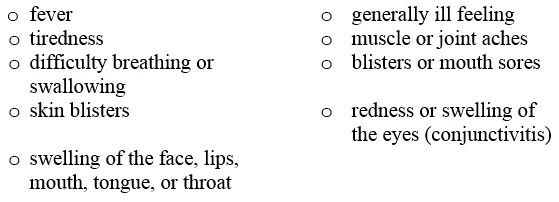
- Liver problems. People with a history of hepatitis B or C virus infection or who have certain liver function test changes may have an increased risk of developing new or worsening changes in certain liver tests during treatment with rilpivirine tablets. Liver problems have also happened in people without a history of problems or other risk factors. Your healthcare provider may need to do tests to check your liver function before and during treatment with rilpivirine tablets. Call your healthcare provider right away if you develop any of the following signs or symptoms of liver problems:

- Depression or mood changes. Call your healthcare provider right away if you have any of the following symptoms:
- feeling sad or hopeless
- feeling anxious or restless
- have thoughts of hurting yourself (suicide) or have tried to hurt yourself
- Changes in your immune system (Immune Reconstitution Syndrome) can happen when you start taking HIV medicines. Your immune system may get stronger and begin to fight infections that have been hidden in your body for a long time. Tell your healthcare provider right away if you start having any new symptoms after starting your HIV-1 medicine.
The most common side effects of rilpivirine tablets include depression, headache, trouble sleeping (insomnia) and rash.
These are not all the possible side effects of rilpivirine tablets.
Call your doctor for medical advice about side effects. You may report side effects to FDA at 1-800-FDA-1088.
How should I store r ilpivirine tablets ?
- Store rilpivirine tablets at room temperature between 68°F to 77°F (20°C to 25°C).
- Keep rilpivirine tablets in the original bottle to protect from light.
Keep rilpivirine tablets and all medicines out of the reach of children.
General information about the safe and effective use of rilpivirine tablets.
Medicines are sometimes prescribed for purposes other than those listed in a Patient Information leaflet. Do not use rilpivirine tablets for a condition for which it was not prescribed. Do not give rilpivirine tablets to other people even if they have the same condition you have. It may harm them.
You can ask your healthcare provider or pharmacist for information about rilpivirine tablets that is written for health professionals.
What are the ingredients in rilpivirine tablets?
Active ingredient: rilpivirine hydrochloride.
Inactive ingredients: croscarmellose sodium, lactose monohydrate, magnesium stearate, polysorbate 20, povidone K30 and silicified microcrystalline cellulose. The tablet coating contains hypromellose 2910, polyethylene glycol 8000 and titanium dioxide.
Additional pediatric use information is approved for Janssen Products LP's Edurant (Rilpivirine) tablets. However, due to Janssen Products LP's marketing exclusivity rights, this drug product is not labeled with that information.
For more information, call Laurus Generics Inc. at 1-833-3-LAURUS (1-833-352-8787).
This Patient Information has been approved by the U.S. Food and Drug Administration.
The brands listed are trademarks of their respective owners and are not trademarks of Laurus Labs Limited.
Manufactured for:
Laurus Generics Inc.
400 Connell Drive
Suite 5200
Berkeley Heights, NJ 07922
Manufactured by:
Laurus Labs Limited
Anakapalli-531011
India
Revised: 5/2026