


Patient information: uses, side effects, how to take - Kevzara
What is the most important information I should know about KEVZARA?
KEVZARA can cause serious side effects including:
Serious Infections. KEVZARA is a prescription medicine that affects your immune system. KEVZARA can lower the ability of your immune system to fight infections. Some people have serious infections while using KEVZARA, including tuberculosis (TB), and infections caused by bacteria, fungi, or viruses that can spread throughout the body. Some people have died from these infections.
Your healthcare provider should test you or your child for TB before starting KEVZARA.
- Your healthcare provider should monitor you closely for signs and symptoms of TB during treatment with KEVZARA.
You should not start using KEVZARA if you have any kind of infection unless your healthcare provider says it is okay.
Before starting KEVZARA, tell your healthcare provider if you:
- think you have an infection or have signs or symptoms of an infection, with or without a fever, such as:
- sweats or chills
- muscle aches
- cough
- shortness of breath
- blood in your phlegm
- weight loss
- warm, red or painful skin or sores on your body
- diarrhea or stomach pain
- burning when you urinate or urinating more often than normal
- feeling very tired
- are being treated for an infection.
- get a lot of infections or have infections that keep coming back.
- have diabetes, HIV, or a weak immune system. People with these conditions have a higher chance of getting infections.
- have TB, or have been in close contact with someone with TB.
- live or have lived, or have traveled to certain parts of the country (such as the Ohio and Mississippi River valleys and the Southwest) where there is an increased chance of getting certain fungal infections (histoplasmosis, coccidioidomycosis, or blastomycosis). These infections may happen more often or become more severe if you use KEVZARA. Ask your healthcare provider if you do not know if you have lived in an area where these infections are common.
- have or have had hepatitis.
After starting KEVZARA, call your healthcare provider right away if you have any symptoms of an infection.
Changes in certain laboratory test results.
Your or your child's healthcare provider should do blood tests before you start KEVZARA, 4 to 8 weeks after starting KEVZARA, and then every 3 months during treatment to check for:
- low neutrophil count. Neutrophils are white blood cells that help the body fight off bacterial infections. A low neutrophil count is common with KEVZARA, and can be severe.
- low platelet count. Platelets are blood cells that help with blood clotting and stop bleeding.
- increase in certain liver function tests. An increase in certain liver function tests is common with KEVZARA, and can be severe.
Your healthcare provider may not prescribe KEVZARA if your neutrophil or platelet counts are too low, or your liver function tests are too high. Your healthcare provider may stop your KEVZARA treatment for a period of time or change your dose if needed because of changes in these blood test results.
Your or your child's healthcare provider should do blood tests 4 to 8 weeks after starting KEVZARA and then every 6 months during treatment to check for an:
- increase in blood cholesterol levels.
- Tears (perforation) of the stomach or intestines. Tell your healthcare provider if you have had a condition known as diverticulitis (inflammation in parts of the large intestine) or ulcers in your stomach or intestines. Some people using KEVZARA get tears in their stomach or intestine. This happens most often in people who also take nonsteroidal anti-inflammatory drugs (NSAIDs), corticosteroids, or methotrexate. Call your healthcare provider right away if you have fever and stomach (abdominal) pain that does not go away.
- Cancer. KEVZARA may increase your risk of certain cancers by changing the way your immune system works. Tell your healthcare provider if you have ever had any type of cancer.
See "What are the possible side effects of KEVZARA?" for more information about side effects.
What is KEVZARA?
KEVZARA is an injectable prescription medicine called an interleukin-6 (IL-6) receptor blocker. KEVZARA is used:
- To treat adults with moderately to severely active rheumatoid arthritis (RA) after at least one other medicine called a disease modifying antirheumatic drug (DMARD) has been used and did not work well or could not be tolerated.
- To treat adults with polymyalgia rheumatica (PMR) after corticosteroids have been used and did not work well or when a slow decrease in the dose of corticosteroids (taper) cannot be tolerated.
- To treat people with active polyarticular juvenile idiopathic arthritis (pJIA) who weigh 63 kg or more.
It is not known if KEVZARA is safe and effective in children with pJIA under 2 years of age.
Who should not use KEVZARA?
Do not use KEVZARA if you or your child are allergic to sarilumab or any of the ingredients in KEVZARA. See the end of this Medication Guide for a complete list of ingredients in KEVZARA.
Before you or your child use KEVZARA, talk to your healthcare provider about all of your medical conditions, including if you or your child:
- have an infection. See " What is the most important information I should know about KEVZARA? "
- have liver problems.
- have had stomach (abdominal) pain or been diagnosed with diverticulitis or ulcers in your stomach or intestines.
have recently received or are scheduled to receive a vaccine. People who take KEVZARA should not receive live vaccines.
- All vaccines should be brought up-to-date before starting KEVZARA, unless urgent treatment initiation is required.
- plan to have surgery or a medical procedure.
are pregnant or plan to become pregnant. It is not known if KEVZARA will harm your unborn baby.
- are breastfeeding or plan to breastfeed. It is not known if KEVZARA passes into your breast milk. Talk to your healthcare provider about the best way to feed your baby if you use KEVZARA.
Tell your healthcare provider about all the medicines you or your child take, including prescription and over-the-counter medicines, vitamins, and herbal supplements.
Especially tell your healthcare provider if you or your child use:
- any other medicines to treat your RA, PMR or pJIA. You should not take rituximab (Rituxan®), etanercept (Enbrel®), infliximab (Remicade®), anakinra (Kineret®), adalimumab (Humira®), abatacept (Orencia®), certolizumab (Cimzia®), golimumab (Simponi®), tocilizumab (Actemra®), or tofacitinib (Xeljanz®) while you are using KEVZARA. Using KEVZARA with these medicines may increase your risk of infection.
- medicines that affect the way certain liver enzymes work. Ask your healthcare provider if you are not sure if your medicine is one of these.
Know the medicines you take. Keep a list of them to show to your healthcare provider and pharmacist when you get a new medicine.
How should I use KEVZARA?
- See the detailed Instructions for Use that comes with this Medication Guide for instructions about the right way to prepare and give your KEVZARA injections at home.
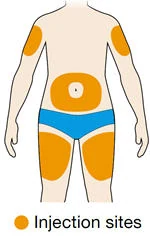
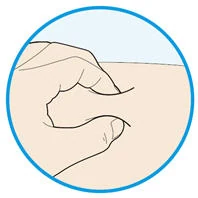
- KEVZARA is given as an injection under the skin (subcutaneous injection).
- KEVZARA is available as a single-use pre-filled syringe and a single-use pre-filled pen. Your healthcare provider will prescribe the dose and type of KEVZARA that is best for you or your child.
- If your healthcare provider decides that you or a caregiver can give the injections of KEVZARA at home using the pre-filled pen or pre-filled syringe, you or your caregiver should receive training on the right way to prepare and inject KEVZARA. Do not try to inject KEVZARA until you have been shown the right way to give the injections by your healthcare provider.
- Inject 1 dose of KEVZARA every 2 weeks.
What are the possible side effects of KEVZARA?
KEVZARA can cause serious side effects, including:
- See "What is the most important information I should know about KEVZARA?"
- Serious allergic reactions. Serious allergic reactions can happen with KEVZARA. Get medical attention right away if you or your child have any of the following signs of a serious allergic reaction:
- shortness of breath or trouble breathing
- swelling of the lips, tongue, or face
- chest pain
- feeling dizzy or faint
- moderate or severe stomach (abdominal) pain or vomiting
Common side effects of KEVZARA include:
- injection site redness
- injection site itching
- upper respiratory tract infection
- urinary tract infection
- nasal congestion, sore throat, and runny nose
These are not all of the possible side effects of KEVZARA.
Call your doctor for medical advice about side effects. You may report side effects to FDA at 1-800-FDA-1088.
You may also report side effects to sanofi-aventis at 1-800-633-1610.
How should I store KEVZARA?
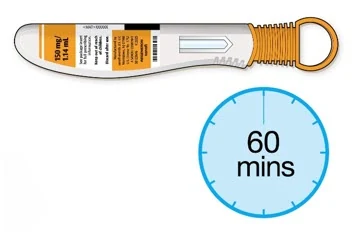
- Store KEVZARA in the refrigerator between 36°F to 46°F (2°C to 8°C). Store KEVZARA in the original carton until use to protect it from light.
- Do not freeze KEVZARA.
- Do not shake KEVZARA.
- KEVZARA may be stored at room temperature up to 77°F (25°C) for up to 14 days in the original outer carton.
- Throw away KEVZARA if it has been kept at room temperature and not been used within 14 days.
Keep KEVZARA and all medicines out of the reach of children.
General Information about the safe and effective use of KEVZARA.
Medicines are sometimes prescribed for purposes other than those listed in a Medication Guide. Do not use KEVZARA for a condition for which it was not prescribed. Do not give KEVZARA to other people, even if they have the same symptoms you have. It may harm them.
You can ask your healthcare provider or pharmacist for information about KEVZARA that is written for health professionals.
What are the ingredients in KEVZARA?
Active Ingredient: sarilumab
Inactive Ingredients: arginine, histidine, polysorbate 20, sucrose, and Water for Injection, USP.
REGENERON
sanofi
Manufactured by: sanofi-aventis U.S. LLC Morristown, NJ 07960, A SANOFI COMPANY U.S. License # 1752. Marketed by: sanofi-aventis U.S. LLC (Morristown, NJ 07960) and Regeneron Pharmaceuticals, Inc. (Tarrytown, NY 10591) KEVZARA® is a registered trademark of Sanofi Biotechnology ©2025 Regeneron Pharmaceuticals, Inc. / sanofi-aventis U.S. LLC
For more information, go to www.KEVZARA.com or call 1-844-KEVZARA (1-844-538-9272).
Instructions For Use
KEVZARA® (KEV-za-ra)
(sarilumab)
injection, for subcutaneous use
Single-dose Pre-filled Syringe (150 mg/1.14 mL)
Important information:
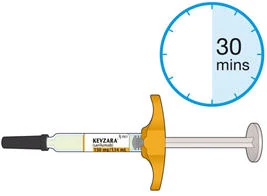
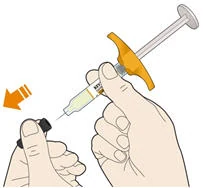
KEVZARA is available as a single-dose pre-filled syringe (called "syringe" in these instructions). The pre-filled syringe contains 150 mg of KEVZARA for injection under the skin (subcutaneous injection) 1 time every 2 weeks.
Do not try to inject KEVZARA until you have been shown the right way to give the injections by your healthcare provider.
| Do | Do not |
|---|---|
|
|
Keep these instructions for future use.
If you have any further questions, ask your healthcare provider or call 1-844-KEVZARA (1-844-538-9272).
KEVZARA pre-filled syringe parts
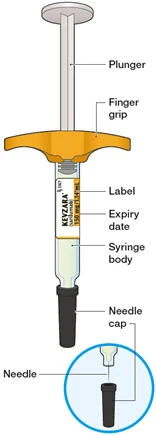
What you will need for your injection:
- A new KEVZARA 150 mg/1.14 mL pre-filled syringe
- Alcohol wipe
- Cotton ball or gauze
- Sharps disposal container. See " How should I dispose of (throw away) KEVZARA pre-filled syringes? " at the end of this Instructions for Use.
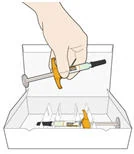
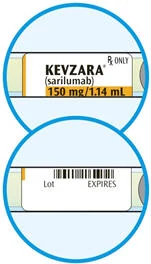
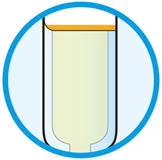
Step A: Get ready for an injection
| |
|  |
| |
|  |
| |
|  |
| |
|  |
| |
|  |
| |
|
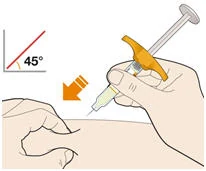
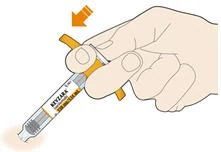
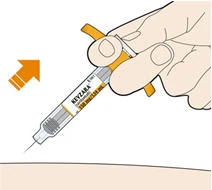
Step B: Give the injection
Complete Step B after completing all steps in Step A "Get ready for an injection".
| |
|  |
| |
|  |
|  |
| |
|  |
| |
|  |
| |
| 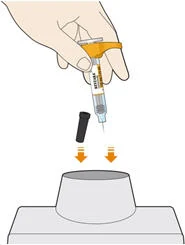 |
How should I dispose of (throw away) KEVZARA pre-filled syringes?
- Put the used syringe in an FDA-cleared sharps disposal container right away after use. Do not throw away (dispose of) the syringe in your household trash.
If you do not have an FDA-cleared sharps disposal container, you may use a household container that is:
- made of a heavy-duty plastic,
- can be closed with a tight-fitting, puncture-resistant lid, without sharps being able to come out,
- upright and stable during use,
- leak-resistant, and
- properly labeled to warn of hazardous waste inside the container.
- When your sharps disposal container is almost full, you will need to follow your community guidelines for the right way to dispose of your sharps disposal container. There may be state or local laws about how you should throw away used needles and syringes. For more information about safe sharps disposal, and for specific information about sharps disposal in the state that you live in, go to the FDA's website at: http://www.fda.gov/safesharpsdisposal
- Do not reuse the syringe.
- Do not dispose of your used sharps disposal container in your household trash unless your community guidelines permit this. Do not recycle your used sharps disposal container.
Important: Always keep the sharps disposal container out of the reach of children.
This Instructions for Use has been approved by the U.S. Food and Drug Administration.
REGENERON
sanofi
Manufactured by:
sanofi-aventis U.S. LLC
Morristown, NJ 07960
A SANOFI COMPANY
U.S. License # 1752
Marketed by: sanofi-aventis U.S. LLC (Morristown, NJ 07960)
and Regeneron Pharmaceuticals, Inc. (Tarrytown, NY 10591)
KEVZARA® is a registered trademark of Sanofi Biotechnology
©2025 Regeneron Pharmaceuticals, Inc. / sanofi-aventis U.S. LLC
Issued: May 2025
Instructions For Use
KEVZARA® (KEV-za-ra)
(sarilumab)
injection, for subcutaneous use
Single-dose Pre-filled Syringe (200 mg/1.14 mL)
Important information:
KEVZARA is available as a single-dose pre-filled syringe (called "syringe" in these instructions). The pre-filled syringe contains 200 mg of KEVZARA for injection under the skin (subcutaneous injection) 1 time every 2 weeks.
Do not try to inject KEVZARA until you have been shown the right way to give the injections by your healthcare provider.
| Do | Do not |
|---|---|
|
|
Keep these instructions for future use.
If you have any further questions, ask your healthcare provider or call 1-844-KEVZARA (1-844-538-9272).
KEVZARA pre-filled syringe parts
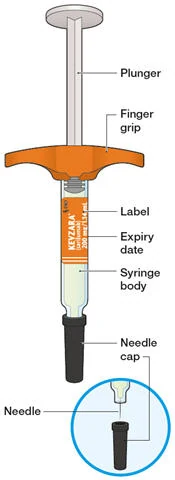
What you will need for your injection:
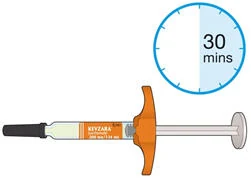
- A new KEVZARA 200 mg/1.14 mL pre-filled syringe
- Alcohol wipe
- Cotton ball or gauze
- Sharps disposal container. See " How should I dispose of (throw away) KEVZARA pre-filled syringes? " at the end of this Instructions for Use.
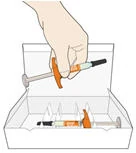
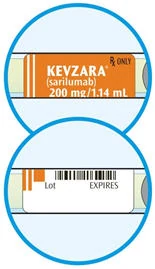
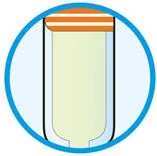
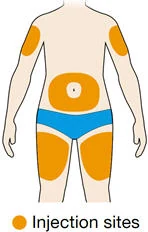
Step A: Get ready for an injection
| |
|  |
| |
|  |
| |
|  |
| |
|  |
| |
|  |
| |
|
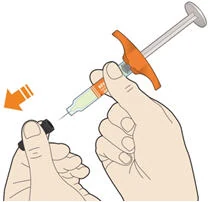
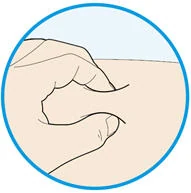
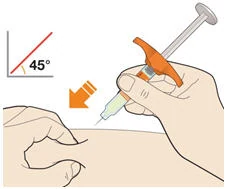
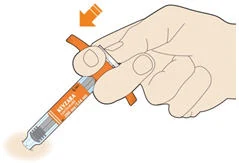
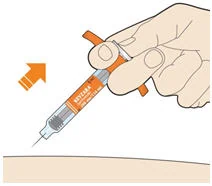
Step B: Give the injection
Complete Step B after completing all steps in Step A "Get ready for an injection"
| |
|  |
| |
|  |
| |
 | |
| |
|  |
| |
|  |
| |
| 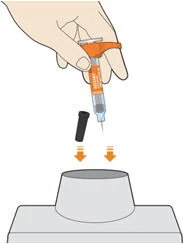 |
How should I dispose of (throw away) KEVZARA pre-filled syringes?
- Put the used syringe in an FDA-cleared sharps disposal container right away after use. Do not throw away (dispose of) the syringe in your household trash.
If you do not have an FDA-cleared sharps disposal container, you may use a household container that is:
- made of a heavy-duty plastic,
- can be closed with a tight-fitting, puncture-resistant lid, without sharps being able to come out,
- upright and stable during use,
- leak-resistant, and
- properly labeled to warn of hazardous waste inside the container.
- When your sharps disposal container is almost full, you will need to follow your community guidelines for the right way to dispose of your sharps disposal container. There may be state or local laws about how you should throw away used needles and syringes. For more information about safe sharps disposal, and for specific information about sharps disposal in the state that you live in, go to the FDA's website at: http://www.fda.gov/safesharpsdisposal
- Do not reuse the syringe.
- Do not dispose of your used sharps disposal container in your household trash unless your community guidelines permit this. Do not recycle your used sharps disposal container.
Important: Always keep the sharps disposal container out of the reach of children.
This Instructions for Use has been approved by the U.S. Food and Drug Administration.
REGENERON
sanofi
Manufactured by:
sanofi-aventis U.S. LLC
Morristown, NJ 07960
A SANOFI COMPANY
U.S. License # 1752
Marketed by: sanofi-aventis U.S. LLC, (Morristown, NJ 07960)
and Regeneron Pharmaceuticals, Inc. (Tarrytown, NY 10591)
KEVZARA® is a registered trademark of Sanofi Biotechnology
©2025 Regeneron Pharmaceuticals, Inc. / sanofi-aventis U.S. LLC
Issued: May 2025
Instructions For Use
KEVZARA® (KEV-za-ra)
(sarilumab)
injection, for subcutaneous use
Single-dose pre-filled pen (150 mg/1.14 mL)
Important information:
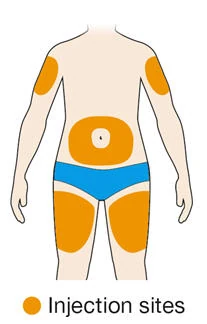
KEVZARA is available as a single-dose pre-filled pen (called "pen" in these instructions). The pre-filled pen contains 150 mg of KEVZARA for injection under the skin (subcutaneous injection) 1 time every 2 weeks.
Do not try to inject KEVZARA until you have been shown the right way to give the injections by your healthcare provider.
| Do | Do not |
|---|---|
|
|
Keep these instructions for future use.
If you have any further questions, ask your healthcare provider or call 1-844-KEVZARA (1-844-538-9272).
KEVZARA pre-filled pen parts
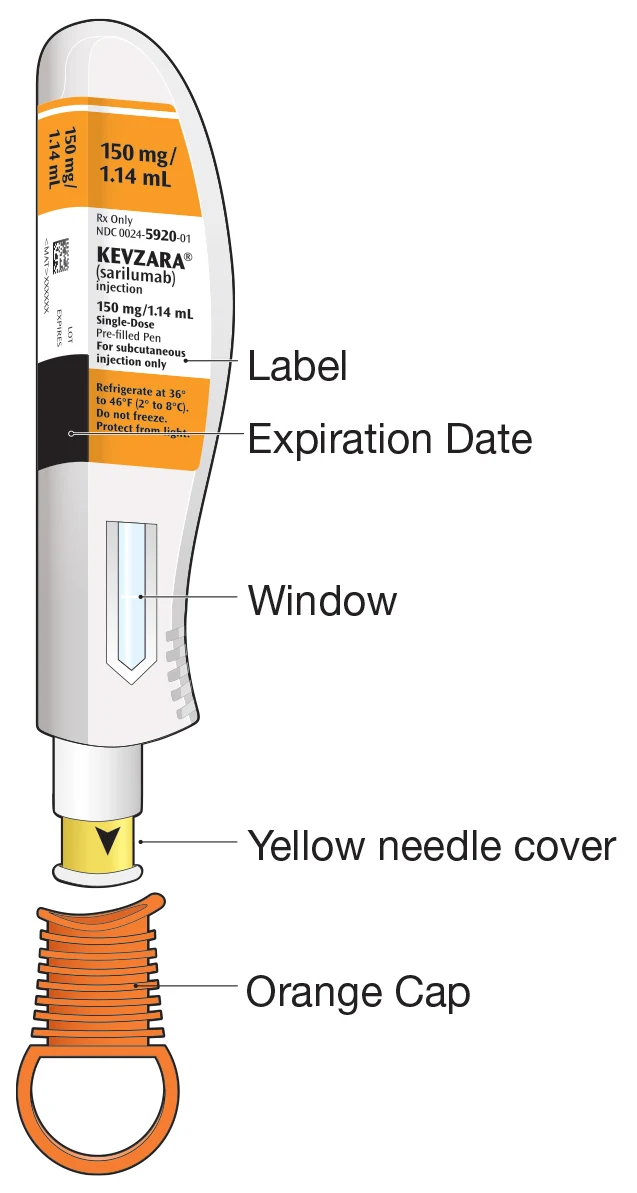
What you will need for your injection:
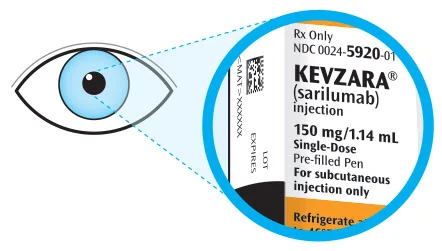
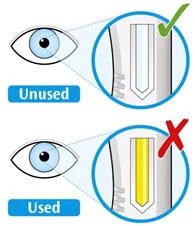
- An unused KEVZARA 150 mg/1.14 mL pre-filled pen
- Alcohol wipe
- Cotton ball or gauze
- Sharps disposal container. See " How should I throw away (dispose of) KEVZARA pre-filled pens? " at the end of this Instructions for Use.
Step A: Get ready for an injection
| |
| |
| |
|  |
| |
|  |
| |
|  |
| |
|  |
| |
| |
Step B: Give the injection
Complete Step B after completing all steps in Step A "Get ready for an injection"
| |
|  |
| |
|  |
| |
|  |
| |
|  |
| |
|  |
| |
|  |
| |
| 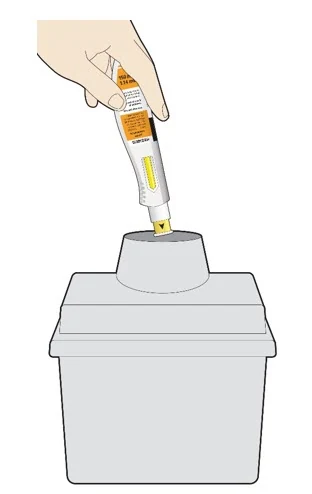 |
How should I throw away (dispose of) KEVZARA pre-filled pens?
- Put the used pen in an FDA-cleared sharps disposal container right away after use. Do not throw away (dispose of) the pen in your household trash.
If you do not have an FDA-cleared sharps disposal container, you may use a household container that is:
- made of a heavy-duty plastic,
- can be closed with a tight-fitting, puncture-resistant lid, without sharps being able to come out,
- upright and stable during use,
- leak-resistant, and
- properly labeled to warn of hazardous waste inside the container.
- When your sharps disposal container is almost full, you will need to follow your community guidelines for the right way to dispose of your sharps disposal container. There may be state or local laws about how you should throw away used needles and syringes. For more information about safe sharps disposal, and for specific information about sharps disposal in the state that you live in, go to the FDA's website at: http://www.fda.gov/safesharpsdisposal
- Do not reuse the pen.
- Do not dispose of your used sharps disposal container in your household trash unless your community guidelines permit this. Do not recycle your used sharps disposal container.
Important: Always keep the sharps disposal container out of the reach of children.
This Instructions for Use has been approved by the U.S. Food and Drug Administration.
REGENERON
sanofi
Manufactured by:
sanofi-aventis U.S. LLC
Morristown, NJ 07960
A SANOFI COMPANY
U.S. License # 1752
Marketed by: sanofi-aventis U.S. LLC (Morristown, NJ 07960)
and Regeneron Pharmaceuticals, Inc. (Tarrytown, NY 10591)
KEVZARA® is a registered trademark of Sanofi Biotechnology
©2025 Regeneron Pharmaceuticals, Inc. / sanofi-aventis U.S. LLC
Issued: May 2025
Instructions For Use
KEVZARA® (KEV-za-ra)
(sarilumab)
injection, for subcutaneous use
Single-dose pre-filled pen (200 mg/1.14 mL)
Important information:
KEVZARA is available as a single-dose pre-filled pen (called "pen" in these instructions). The pre-filled pen contains 200 mg of KEVZARA for injection under the skin (subcutaneous injection) 1 time every 2 weeks.
Do not try to inject KEVZARA until you have been shown the right way to give the injections by your healthcare provider.
| Do | Do not |
|---|---|
|
|
Keep these instructions for future use.
If you have any further questions, ask your healthcare provider or call 1-844-KEVZARA (1-844-538-9272).
KEVZARA pre-filled pen parts
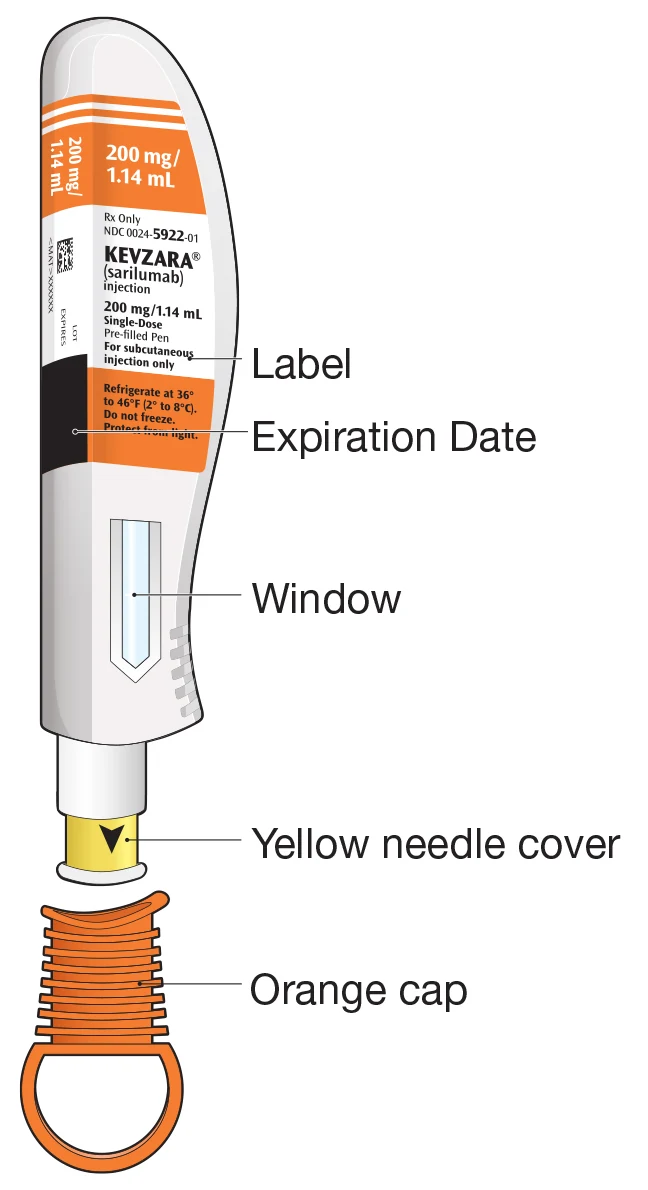
What you will need for your injection:
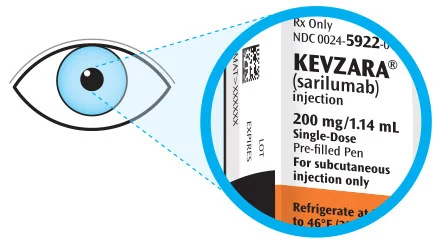
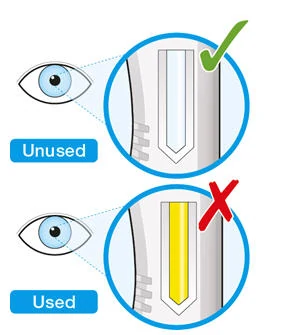
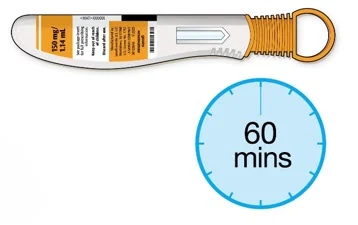
- An unused KEVZARA 200 mg/1.14 mL pre-filled pen
- Alcohol wipe
- Cotton ball or gauze
- Sharps disposal container. See " How should I throw away (dispose of) KEVZARA pre-filled pens? " at the end of this Instructions for Use.
Step A: Get ready for an injection
| |
| |
| |
|  |
| |
|  |
| |
|  |
| |
| |
| |
| |
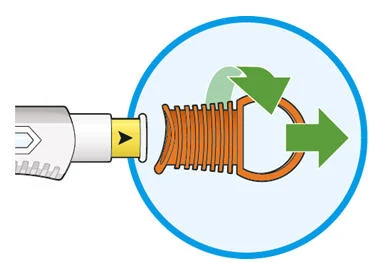
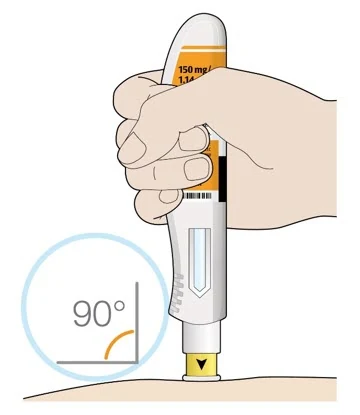
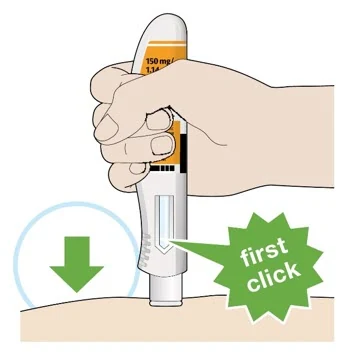
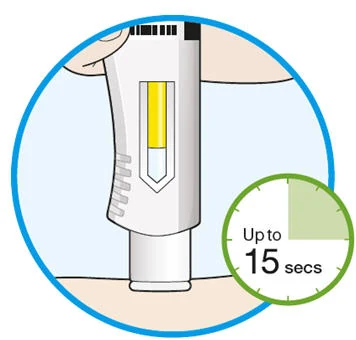
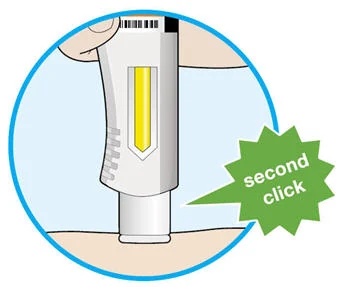
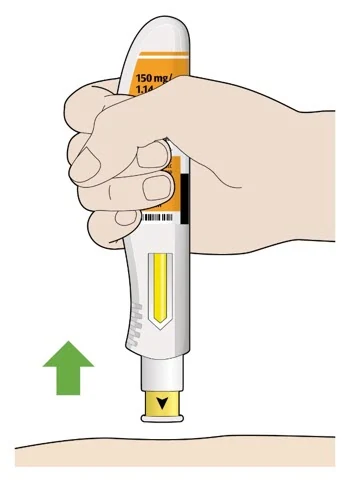
Step B: Give the injection
Complete Step B after completing all steps in Step A "Get ready for an injection"
| |
|  |
| |
|  |
| |
|  |
| |
|  |
| |
|  |
| |
|  |
| |
| 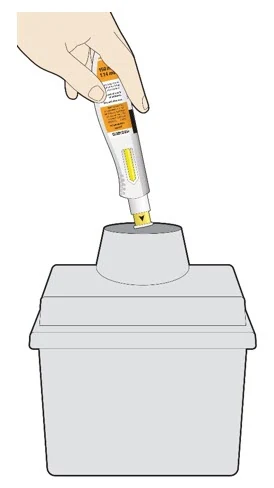 |
How should I throw away (dispose of) KEVZARA pre-filled pens?
- Put the used pen in an FDA-cleared sharps disposal container right away after use. Do not throw away (dispose of) the pen in your household trash.
If you do not have an FDA-cleared sharps disposal container, you may use a household container that is:
- made of a heavy-duty plastic,
- can be closed with a tight-fitting, puncture-resistant lid, without sharps being able to come out,
- upright and stable during use,
- leak-resistant, and
- properly labeled to warn of hazardous waste inside the container.
- When your sharps disposal container is almost full, you will need to follow your community guidelines for the right way to dispose of your sharps disposal container. There may be state or local laws about how you should throw away used needles and syringes. For more information about safe sharps disposal, and for specific information about sharps disposal in the state that you live in, go to the FDA's website at: http://www.fda.gov/safesharpsdisposal
- Do not reuse the pen.
- Do not dispose of your used sharps disposal container in your household trash unless your community guidelines permit this. Do not recycle your used sharps disposal container.
Important: Always keep the sharps disposal container out of the reach of children.
This Instructions for Use has been approved by the U.S. Food and Drug Administration.
REGENERON
sanofi
Manufactured by:
sanofi-aventis U.S. LLC
Morristown, NJ 07960
A SANOFI COMPANY
U.S. License # 1752
Marketed by: sanofi-aventis U.S. LLC (Morristown, NJ 07960)
and Regeneron Pharmaceuticals, Inc. (Tarrytown, NY 10591)
KEVZARA® is a registered trademark of Sanofi Biotechnology
©2025 Regeneron Pharmaceuticals, Inc. / sanofi-aventis U.S. LLC
Issued: May 2025