


Patient information: uses, side effects, how to take - Fondaparinux
What is the most important information I should know about fondaparinux sodium injection?
Fondaparinux sodium injection may cause serious side effects, including:
Spinal or epidural blood clots (hematoma). People who take a blood thinner medicine (anticoagulant) like fondaparinux sodium injection, and have medicine injected into their spinal and epidural area, or have a spinal puncture have a risk of forming a blood clot that can cause long-term or permanent loss of the ability to move (paralysis). Your risk of developing a spinal or epidural blood clot is higher if:
- a thin tube called an epidural catheter is placed in your back to give you certain medicine
- you take non-steroidal anti-inflammatory drugs (NSAIDs) or a medicine to help prevent blood from clotting
- you have a history of difficult or repeated epidural or spinal punctures
- you have a history of problems with your spine or have had surgery on your spine
- If you use fondaparinux sodium injection and receive spinal anesthesia or have a spinal puncture, your doctor should watch you closely for symptoms of spinal or epidural blood clots. Tell your doctor right away if you have back pain, tingling, numbness, muscle weakness (especially in your legs and feet), and loss of control of your bowels or bladder (incontinence).
Because the risk of bleeding may be higher, tell your doctor before using fondaparinux sodium injection if you:
- o are also taking certain other medicines that affect blood clotting such as aspirin, an NSAID (for example, ibuprofen or naproxen), clopidogrel, or warfarin sodium
- o have bleeding problems
- o had problems in the past with pain medication given through the spine
- o have had surgery to your spine
- o have a spinal deformity
See “What are the possible side effects of fondaparinux sodium injection?” for more information about side effects.
What is fondaparinux sodium injection?
Fondaparinux sodium injection is a prescription medicine that is used to:
- help prevent blood clots from forming in adults who have had certain surgeries of the hip, knee, or the stomach-area (abdominal surgery).
- treat adults who have blood clots in their legs or blood clots that travel to their lungs, along with the blood thinner medicine called warfarin sodium.
- treat children 1 year of age or older weighing at least 22 pounds (10 kg) who have blood clots.
It is not known if fondaparinux sodium injection is safe and effective for use in children:
- younger than 1 year of age and weighing less than 22 pounds (10 kg) who have blood clots.
- younger than 1 year of age with kidney problems.
- for the prevention of blood clots in the legs and to treat blood clots in the legs or lungs when given with warfarin sodium.
- with liver problems.
Who should not use fondaparinux sodium injection?
Do not use fondaparinux sodium injection if you:
- have certain kidney problems
- have active bleeding problems
- have an infection in your heart
- have low platelet counts and if you test positive for a certain antibody during treatment with fondaparinux sodium injection
- weigh less than 110 pounds (50 kg) and fondaparinux sodium injection will be used to help prevent blood clots in adults undergoing certain surgery. See “What are the possible side effects of fondaparinux sodium injection?”
- had a serious allergic reaction to fondaparinux sodium injection
Before using fondaparinux sodium injection, tell your doctor about all of your medical conditions, including if you:
- have had any bleeding problems (such as stomach ulcers)
- have had a stroke
- have had recent surgeries, including eye surgery
- have diabetic eye disease
- have kidney or liver problems
- have uncontrolled high blood pressure
- have a latex allergy. The packaging (needle guard) for fondaparinux sodium injection contains dry natural latex rubber.
are pregnant or plan to become pregnant. Fondaparinux sodium injection may harm your unborn baby. If you are pregnant, talk to your doctor about the best way for you to prevent or treat blood clots.
- are breastfeeding or plan to breastfeed. It is not known if fondaparinux sodium injection passes into breast milk. You and your doctor should decide if you will breastfeed during treatment with fondaparinux sodium injection.
Tell your doctor about all the medicines you take including prescriptions and over-the-counter medicines, vitamins, and herbal supplements. Some medicines can increase your risk of bleeding.
See “What is the most important information I should know about fondaparinux sodium injection?” Do not start taking any new medicines without first talking to your doctor.
Tell all your doctors and dentist that you use fondaparinux sodium injection, especially if you need to have any kind of surgery or a dental procedure. Keep a list of your medicines and show it to all your doctors and pharmacist before you start a new medicine.
How should I use fondaparinux sodium injection?
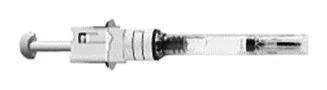
- Fondaparinux sodium injection is available in different types of syringes. Your doctor will decide which type of syringe is best for you or your child. See the Instructions for Use to confirm the prescribed syringe and how to give a fondaparinux sodium injection.
- If your doctor tells you that you may give yourself or your child injections of fondaparinux sodium at home, you will be shown how to give the injections first before you do them on your own.
- Use fondaparinux sodium injection exactly as your doctor tells you to.
- Fondaparinux sodium injection is given as an injection under your skin (subcutaneous injection).
- If you miss a dose of fondaparinux sodium injection, inject your dose as soon as you remember. Do not inject 2 doses at the same time.
- Your doctor may perform blood tests and test for blood in your stool as needed during treatment with fondaparinux sodium injection to check for side effects.
- If you inject too much fondaparinux sodium injection, call your doctor right away.
What are possible side effects of fondaparinux sodium injection?
Fondaparinux sodium injection can cause serious side effects. See “What is the most important information I should know about fondaparinux sodium injection?”
Severe bleeding. Certain conditions can increase your risk for severe bleeding, including:
- some bleeding problems
- some gastrointestinal problems including ulcers
- some types of strokes
- uncontrolled high blood pressure
- diabetic eye disease
- soon after brain, spine, or eye surgery
In children, certain conditions that can increase risk of bleeding, include:
- o systemic lupus erythematous (also known as Lupus)
- o Wilms tumor
- o antiphospholipid syndrome
- o genetic conditions that affect blood clotting
- o cancer
- o decreased red blood cells, white blood cells and platelets (pancytopenia)
- o indwelling chest tubes
- o chest surgery
- o infection
- o severe high blood pressure that affects the brain
- o enlarged or blocked lymph vessels in the small intestine (intestinal lymphangiectasia)
- Certain kidney problems can also increase your risk of bleeding with fondaparinux sodium injection. Your doctor may check your kidney function during your treatment with fondaparinux sodium injection.
- Increased bleeding risk in adults who weigh less than 110 pounds (50 kg) undergoing certain surgeries.
Low blood platelets (thrombocytopenia). Platelets are blood cells that help your blood to clot normally. Your doctor may check your platelet counts during your treatment with fondaparinux sodium injection.
You may bruise or bleed more easily during your treatment with fondaparinux sodium injection, and it may take longer than usual for bleeding to stop. Tell your doctor if you have any signs or symptoms of bleeding, bruising or rash of dark red spots under the skin during your treatment with fondaparinux sodium injection.
The most common side effects of fondaparinux sodium injection in adults include:
- bleeding problems
- bleeding, rash, and itching at the injection site (injection site reactions)
- increased blood levels of certain liver tests
- low red blood cell counts (anemia)
- sleep problems (insomnia)
- increased wound drainage
- low potassium in your blood (hypokalemia)
- dizziness
- purplish spots on skin (purpura)
- low blood pressure (hypotension)
- confusion
- fluid-filled blisters (bullous eruption)
- blood clots (hematoma)
- severe bleeding after surgery (post-operative hemorrhage)
- infection
The most common side effects of fondaparinux sodium injection in children include:
- bleeding problems
- low red blood cell counts (anemia)
- low blood platelet counts
- allergic reaction, such as sudden swelling of your face, tongue, throat, or troubled swallowing
- skin problems
- abnormal blood levels of certain liver tests
- low potassium in your blood (hypokalemia)
- low blood pressure (hypotension)
These are not all the possible side effects of fondaparinux sodium injection.
Call your doctor for medical advice about side effects. You may report side effects to FDA at 1-800-FDA-1088.
How should I store Fondaparinux sodium injection?
- See the product label for complete instructions on how to store fondaparinux sodium injection.
- Throw away (discard) fondaparinux sodium injection that is out of date (expired) or unused.
Keep fondaparinux sodium injection and all medicines out of the reach of children.
General information about the safe and effective use of fondaparinux sodium injection
Medicines are sometimes prescribed for purposes other than those listed in Patient Information leaflets. Do not use fondaparinux sodium injection for a condition for which it was not prescribed. Do not give fondaparinux sodium injection to other people, even if they have the same symptoms that you have. It may harm them.
You can ask your pharmacist or doctor for information about fondaparinux sodium injection that is written for healthcare professionals.
What are the ingredients in fondaparinux sodium injection?
Active ingredient: fondaparinux sodium
Inactive ingredients: sodium chloride and water for injection. May also contain sodium hydroxide and/or hydrochloric acid as pH adjusters.
Manufactured for:
Mylan Institutional LLC
Morgantown, WV 26505 U.S.A.
Manufactured by:
Aspen Notre Dame de Bondeville
Notre Dame de Bondeville, France
For more information about fondaparinux sodium injection, contact Mylan at 1-877-446-3679 (1-877-4-INFO-RX).
This Patient Information has been approved by the U.S. Food and Drug Administration.
Revised: 12/2024
MI:PL:FONDIJ:R6p
INSTRUCTIONS FOR USE
Fondaparinux Sodium Injection, USP
(fon” da par’ in ux soe’ dee um)
for subcutaneous use
This Instructions for Use contains information on how to inject fondaparinux sodium injection. Before you use fondaparinux sodium injection, read and follow the step-by-step instructions. Talk to your or your child’s doctor or pharmacist if you have any questions.
Important Information You Need to Know Before Injecting fondaparinux sodium injection
- Fondaparinux sodium injection is available in different types of syringes. Confirm the syringe looks like the figure below before you continue:
- Your healthcare provider should show you how to prepare and inject fondaparinux sodium injection. Do not inject yourself or someone else until you have been shown how to inject fondaparinux sodium injection.
- Each fondaparinux sodium injection syringe is 1 dose of fondaparinux sodium injection. The syringe is for a one-time use only.
- Use fondaparinux sodium injection exactly as prescribed by your doctor.
- The packaging (needle guard) for fondaparinux sodium injection contains dry natural latex rubber.
How should I store fondaparinux sodium injection syringes?
- Store fondaparinux sodium injection at room temperature between 68°F to 77°F (20°C to 25°C).
- Keep fondaparinux sodium injection syringes and all medicines out of the reach of children.
Do not use fondaparinux sodium injection if:
- the solution appears discolored (the solution should normally appear clear)
- you see any particles in the solution
- the syringe is damaged
- it is out of date (expired)
How should I give an injection of fondaparinux sodium injection?
Fondaparinux sodium injection is injected into a skinfold of the lower stomach-area (abdomen) as directed by your or your child’s doctor. Do not inject fondaparinux sodium injection into muscle.
| Instructions for injecting fondaparinux sodium injection | |
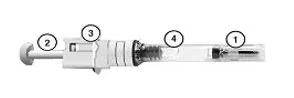
| Parts of the fondaparinux sodium injection syringe: | |
|  |
Syringe Before Use 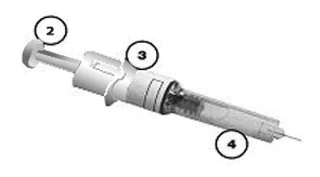 | Syringe After Use 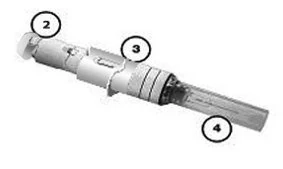 |
| |
| 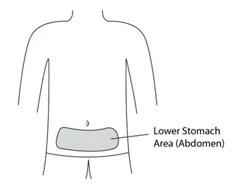 Figure A. |
| |
| 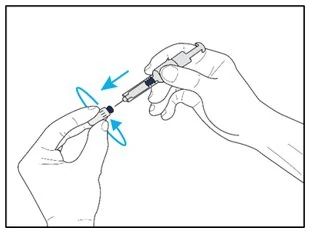 Figure B. |
| 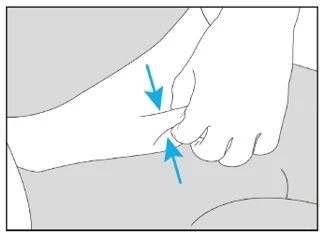 Figure C. |
| 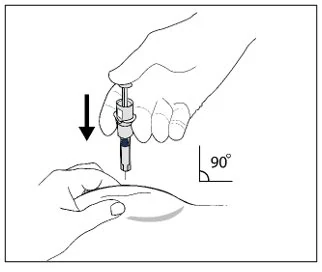 Figure D. |
| 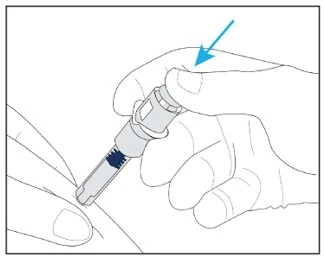 Figure E. |
| 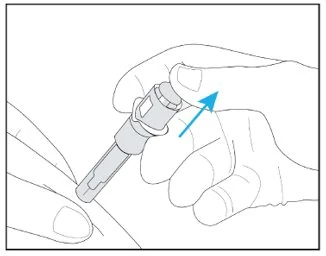 Figure F. |
| |
This Instructions for Use has been approved by the U.S. Food and Drug Administration Revised: 12/2024
Manufactured for:
Mylan Institutional LLC
Morgantown, WV 26505 U.S.A.
Manufactured by:
Aspen Notre Dame de Bondeville
Notre Dame de Bondeville, France
MI:IFU1:FONDIJ:R6p
INSTRUCTIONS FOR USE
Fondaparinux Sodium Injection, USP
(fon” da par’ in ux soe’ dee um)
for subcutaneous use
This Instructions for Use contains information on how to inject fondaparinux sodium injection. Before you use fondaparinux sodium injection, read and follow the step-by-step instructions. Talk to your child’s doctor or pharmacist if you have any questions.
Important Information You Need to Know Before Injecting fondaparinux sodium injection
- Fondaparinux sodium injection is available in different types of syringes. Confirm the syringe looks like the figure below before you continue:

- Your healthcare provider should show you how to prepare and inject fondaparinux sodium injection. Do not inject your child until you have been shown how to inject fondaparinux sodium injection.
- Each fondaparinux sodium injection syringe is 1 dose of fondaparinux sodium injection. The syringe is for a one-time use only.
- Use fondaparinux sodium injection exactly as prescribed by your doctor.
How should I store fondaparinux sodium injection syringes?
- Store fondaparinux sodium injection syringes in a refrigerator between 36°F to 46°F (2°C to 8°C) for up to the beyond use date on the syringe.
- Do not freeze.
- Store syringes in a clean container in the refrigerator.
- Do not store fondaparinux sodium injection syringes at room temperature between 68°F to 77°F (20°C to 25°C).
- Take fondaparinux sodium injection syringe out of the refrigerator and allow it to reach room temperature. Inject right away after the syringe reaches room temperature.
- Throw away (dispose of) fondaparinux sodium injection syringes that has been left at room temperature for longer than 4 hours.
- Keep fondaparinux sodium injection syringes and all medicines out of the reach of children.
Do not use fondaparinux sodium injection if:
- the solution appears discolored (the solution should normally appear clear)
- you see any particles in the solution
the syringe is damaged, including:
- cracks, breaks, or bends in the syringe or the plunger
- broken, bent, or detached needle
- medicine leaking from the plunger or needle
- past the beyond use date on the syringe labeled by the pharmacy
How should I give an injection of fondaparinux sodium injection?
Fondaparinux sodium injection is injected into a skin fold of the lower stomach-area (abdomen) as directed by your child’s doctor. Do not inject fondaparinux sodium injection into muscle.
| Instructions for injecting fondaparinux sodium injection | |
| Parts of the fondaparinux sodium injection syringe: | |
| 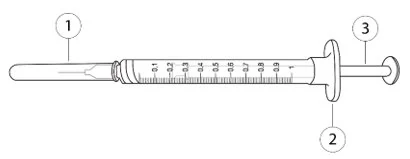 |
| |
| 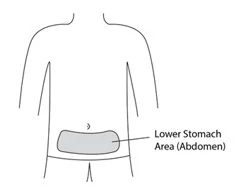 Figure A. |
| |
| 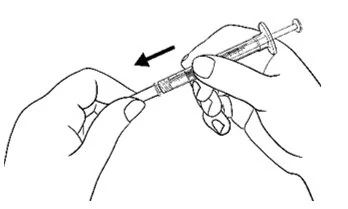 Figure B. |
| 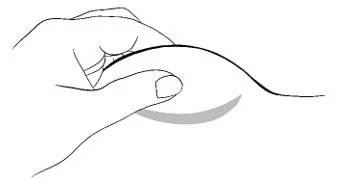 Figure C. |
| 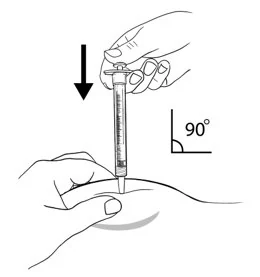 Figure D. |
| 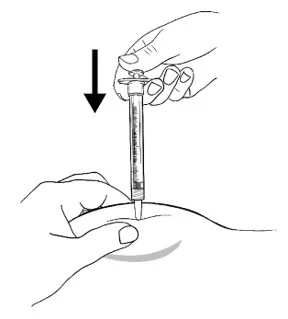 Figure E. |
| 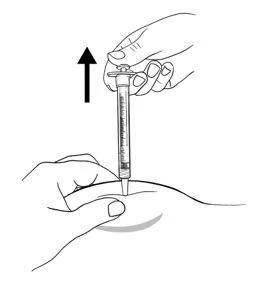 Figure F. |
| |
This Instructions for Use has been approved by the U.S. Food and Drug Administration Revised: 12/2024
Manufactured for:
Mylan Institutional LLC
Morgantown, WV 26505 U.S.A.
Manufactured by:
Aspen Notre Dame de Bondeville
Notre Dame de Bondeville, France
MI:IFU2:FONDIJ:R1p