


Patient information: uses, side effects, how to take - Apretude
What is the most important information I should know about APRETUDE?
Important information for people who receive APRETUDE to help reduce their risk of getting human immunodeficiency virus-1 (HIV-1) infection, also called pre-exposure prophylaxis or “PrEP”:
Before receiving APRETUDE to reduce your risk of getting HIV-1:
- You must be HIV-1 negative to start APRETUDE. You must get tested to make sure that you do not already have HIV-1 infection.
- Do not receive APRETUDE for HIV-1 PrEP unless you are confirmed to be HIV-1 negative.
- Some HIV-1 tests can miss HIV-1 infection in a person who has recently become infected. If you have flu-like symptoms, you could have recently become infected with HIV-1. Tell your healthcare provider if you had a flu-like illness within the last month before starting APRETUDE or at any time while receiving APRETUDE. Symptoms of new HIV-1 infection include:
- ○ tiredness
- ○ joint or muscle aches
- ○ sore throat
- ○ rash
- ○ enlarged lymph nodes in the neck or groin
- ○ fever
- ○ headache
- ○ vomiting or diarrhea
- ○ night sweats
While you are receiving APRETUDE for HIV-1 PrEP:
- APRETUDE does not prevent other sexually transmitted infections. Practice safer sex by using a latex or polyurethane condom to reduce the risk of getting sexually transmitted infections.
You must stay HIV-1 negative to keep receiving APRETUDE for HIV-1 PrEP.
- Know your HIV-1 status and the HIV-1 status of your partners.
- Ask your partners with HIV-1 if they are taking anti-HIV-1 medicines and have an undetectable viral load. An undetectable viral load is when the amount of virus in the blood is too low to be measured in a lab test. To maintain an undetectable viral load, your partners must keep taking HIV-1 medicine as prescribed. Your risk of getting HIV-1 is lower if your partners with HIV-1 are taking effective treatment.
- Get tested for HIV-1 with each APRETUDE injection or when your healthcare provider tells you. You should not miss any HIV-1 tests. If you become HIV-1–infected and continue receiving APRETUDE because you do not know you are HIV-1–infected, the HIV-1 infection may become harder to treat.
- Get tested for other sexually transmitted infections such as syphilis, chlamydia, and gonorrhea. These infections make it easier for HIV-1 to infect you.
- If you think you were exposed to HIV-1, tell your healthcare provider right away. They may want to do more tests to be sure you are still HIV-1 negative.
- Get information and support to help reduce sexual risk behaviors.
- Do not miss any injections of APRETUDE. Missing injections increases your risk of getting HIV-1 infection.
- If you do become HIV-1 positive, you will need to take other medicines to treat HIV-1. APRETUDE is not approved for treatment of HIV-1.
If you have HIV-1 and receive only APRETUDE, over time your HIV-1 may become harder to treat.
What is APRETUDE?
APRETUDE is a prescription medicine used for HIV-1 PrEP to reduce the risk of getting HIV-1 infection in adults and adolescents who weigh at least 77 pounds (at least 35 kg).
HIV-1 is the virus that causes acquired immune deficiency syndrome (AIDS).
It is not known if APRETUDE is safe and effective in children younger than 12 years of age or weighing less than 77 pounds (less than 35 kg).
Do not receive APRETUDE if you:
- already have HIV-1 infection. If you are HIV-1 positive, you will need to take other medicines to treat HIV-1. APRETUDE is not approved for treatment of HIV-1.
- do not know your HIV-1 infection status. You may already be HIV-1 positive. You need to take other medicines to treat HIV-1. APRETUDE can only help reduce your risk of getting HIV-1 infection before you are infected.
- have ever had an allergic reaction to cabotegravir
- are taking any of the following medicines:
- ○ carbamazepine
- ○ oxcarbazepine
- ○ phenobarbital
- ○ phenytoin
- ○ rifampin
- ○ rifapentine
Before receiving APRETUDE, tell your healthcare provider about all your medical conditions, including if you:
- have ever had a skin rash or an allergic reaction to medicines that contain cabotegravir.
- have or have had liver problems.
- have ever had mental health problems.
are pregnant or plan to become pregnant. It is not known if APRETUDE will harm your unborn baby. APRETUDE can remain in your body for up to 12 months or longer after the last injection. Tell your healthcare provider if you become pregnant while or after receiving APRETUDE.
Pregnancy Registry. There is a pregnancy registry for those who receive APRETUDE during pregnancy. The purpose of this registry is to collect information about the health of you and your baby. Talk to your healthcare provider about how you can take part in this registry.
- are breastfeeding or plan to breastfeed. APRETUDE may pass into your breast milk. Talk with your healthcare provider about the best way to feed your baby while or after receiving APRETUDE.
Tell your healthcare provider about all the medicines you take, including prescription and over-the-counter medicines, vitamins, and herbal supplements.
Some medicines may interact with APRETUDE. Keep a list of your medicines and show it to your healthcare provider and pharmacist when you get a new medicine.
You can ask your healthcare provider or pharmacist for a list of medicines that interact with APRETUDE.
Do not start a new medicine without telling your healthcare provider. Your healthcare provider can tell you if it is safe to receive APRETUDE with other medicines.
How will I receive APRETUDE?
- APRETUDE will be given to you as an injection by your healthcare provider.
- APRETUDE is initially given as an injection into the muscle of your buttock 1 time every month for the first 2 months, then as an injection 1 time every 2 months.
- Before receiving your first injection dose of APRETUDE, your healthcare provider may have you take 1 VOCABRIA (cabotegravir) tablet 1 time a day for 1 month (at least 28 days). This will allow your healthcare provider to assess how well you will tolerate cabotegravir.
- APRETUDE is a long-acting medicine and may stay in your body for 12 months or longer after your last injection.
- Stay under the care of a healthcare provider while receiving APRETUDE. It is important that you receive APRETUDE as scheduled.
- If you miss or plan to miss a scheduled injection of APRETUDE by more than 7 days, call your healthcare provider right away to discuss your PrEP options.
- If you stop receiving APRETUDE, talk to your healthcare provider about other options to reduce the risk of getting HIV-1 infection.
What are the possible side effects of APRETUDE?
APRETUDE may cause serious side effects including:
- Allergic reactions. Call your healthcare provider right away if you develop a rash with APRETUDE. Stop receiving APRETUDE and get medical help right away if you develop a rash with any of the following signs or symptoms:
- ○ fever
- ○ generally ill feeling
- ○ tiredness
- ○ muscle or joint aches
- ○ trouble breathing
- ○ blisters or sores in mouth
- ○ blisters
- ○ redness or swelling of the eyes
- ○ swelling of the mouth, face, lips, or tongue
Liver problems. Liver problems have happened in people with or without a history of liver problems or other risk factors. Your healthcare provider may do blood tests to check your liver function.
Call your healthcare provider right away if you develop any of the following signs or symptoms of liver problems:
- ○ your skin or the white part of your eyes turns yellow (jaundice)
- ○ dark or “tea-colored” urine
- ○ light-colored stools (bowel movements)
- ○ nausea or vomiting
- ○ loss of appetite
- ○ pain, aching, or tenderness on the right side of your stomach area
- ○ itching
Depression or mood changes. Call your healthcare provider or get medical help right away if you develop any of the following symptoms:
○ feeling sad or hopeless
○ feeling anxious or restless
○ have thoughts of hurting yourself (suicide) or have tried to hurt yourself
The most common side effects of APRETUDE include:
- pain, tenderness, hardened mass or lump, swelling, bruising, redness, itching, warmth, loss of sensation at the injection site, abscess, and discoloration
- diarrhea
- headache
- fever
- tiredness
- sleep problems
- nausea
- dizziness
- passing gas
- stomach pain
- vomiting
- muscle pain
- rash
- loss of appetite
- drowsiness
- back pain
- upper respiratory infection
These are not all the possible side effects of APRETUDE.
Call your doctor for medical advice about side effects. You may report side effects to FDA at 1-800-FDA-1088.
General information about the safe and effective use of APRETUDE.
Medicines are sometimes prescribed for purposes other than those listed in a Patient Information leaflet. You can ask your pharmacist or healthcare provider for information about APRETUDE that is written for health professionals.
What are the ingredients in APRETUDE?
Active ingredient: cabotegravir
Inactive ingredients: mannitol, polyethylene glycol (PEG) 3350, polysorbate 20, and Water for Injection.
Manufactured for:
ViiV Healthcare
Durham, NC 27701
APRETUDE and VOCABRIA are trademarks owned by or licensed to the ViiV Healthcare group of companies.
©2025 ViiV Healthcare group of companies or its licensor.
APR:5PIL
For more information, go to www.apretude.com or call 1-877-844-8872.
- This Patient Information has been approved by the U.S. Food and Drug Administration. Revised: 4/2025
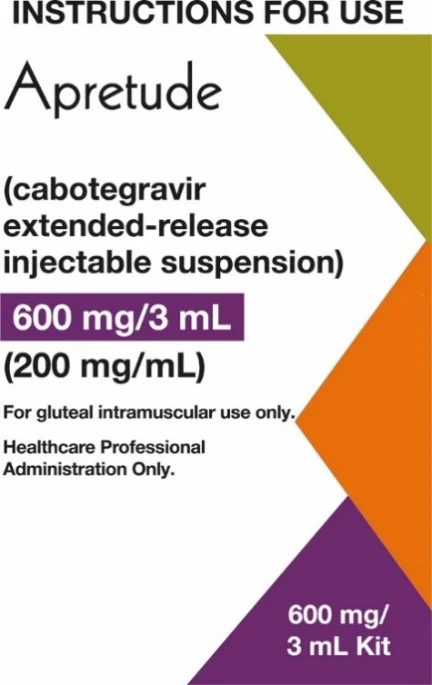 | |
Overview: A complete dose of APRETUDE requires 1 injection: 600-mg (3 mL) of cabotegravir. APRETUDE is a suspension that does not need further dilution or reconstitution. Carefully follow these instructions when preparing the suspension for injection to avoid leakage. APRETUDE is for gluteal intramuscular use only. Note: The ventrogluteal site is recommended. | |
 Storage information | |
Store at 2°C to 25°C (36°F to 77°F). Exposure up to 30°C (86°F) permitted. Do not freeze. | |
| Prior to administration: | |
| |
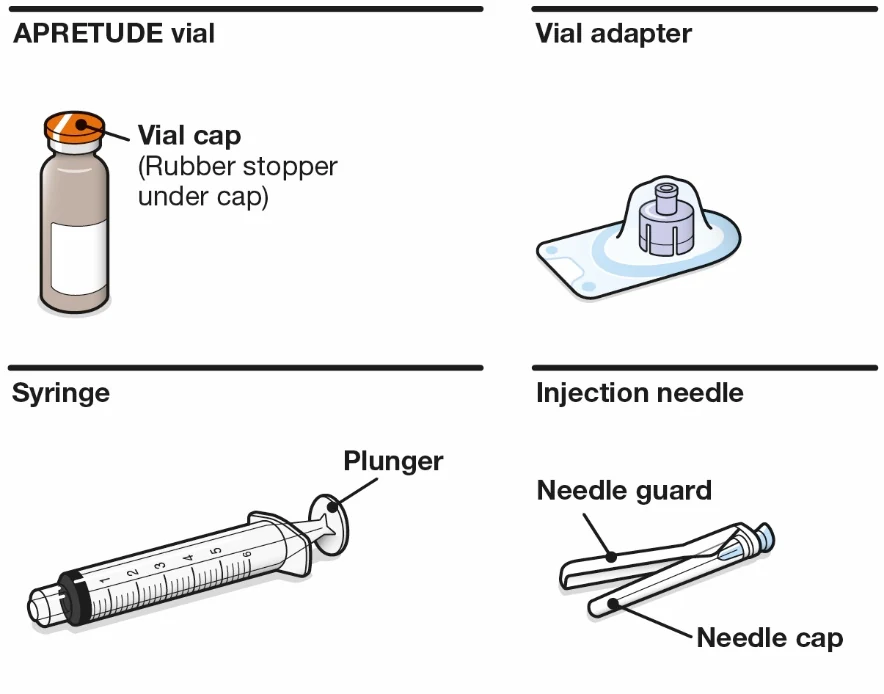 | |
| Your pack contains: | |
Consider the individual’s build and use medical judgment to select an appropriate injection needle length. | |
| You will also need: | |
| |
| Preparation: | |
| |
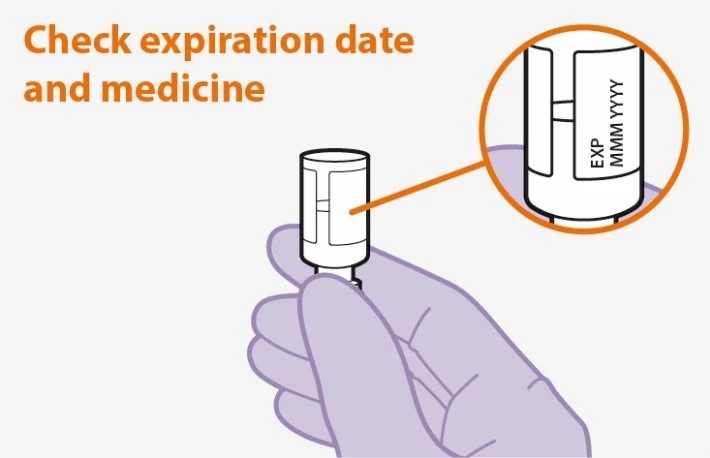 Figure A |
|
| |
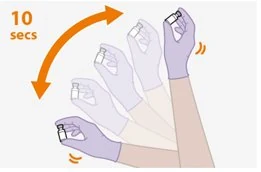 Figure B |
|
| |
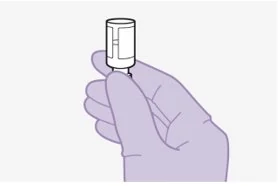 Figure C |
|
| |
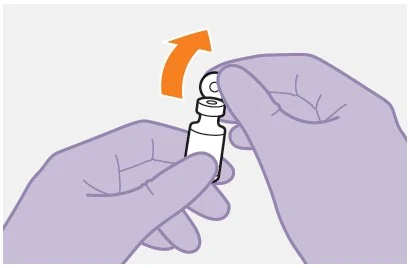 Figure D |
|
| |
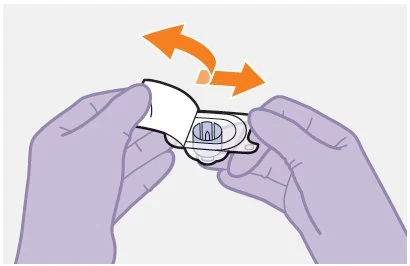 Figure E |
|
| |
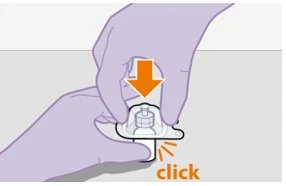 Figure F |
|
| |
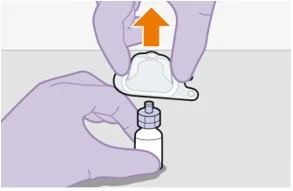 Figure G |
|
| |
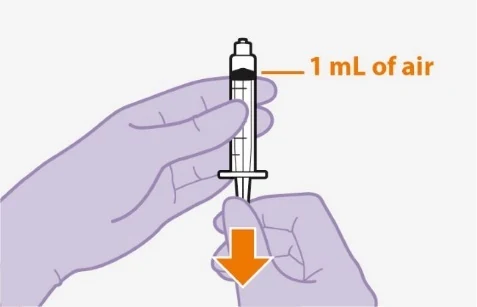 Figure H |
|
| |
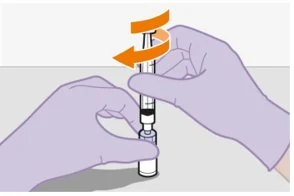 Figure I |
|
| |
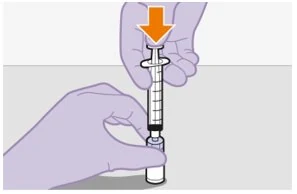 Figure J |
|
| |
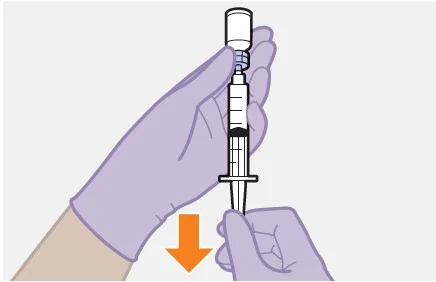 Figure K |
|
| |
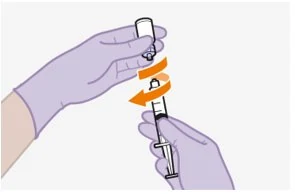 Figure L |
|
| |
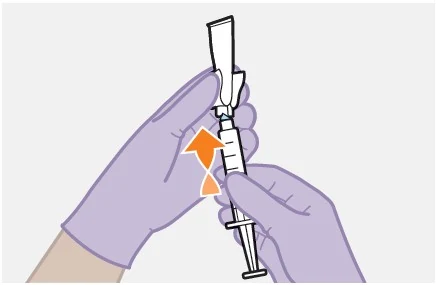 Figure M |
|
| Injection: | |
| |
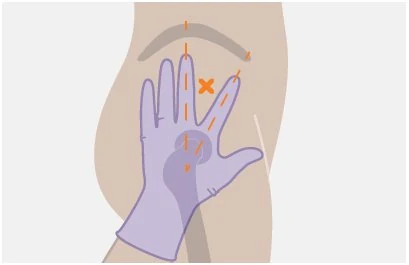 Figure N |
|
| |
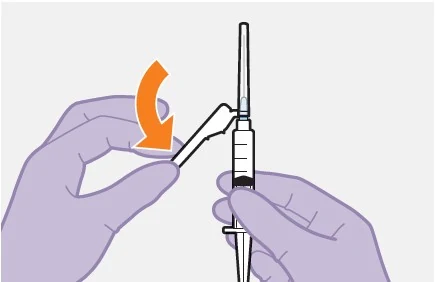 Figure O |
|
| |
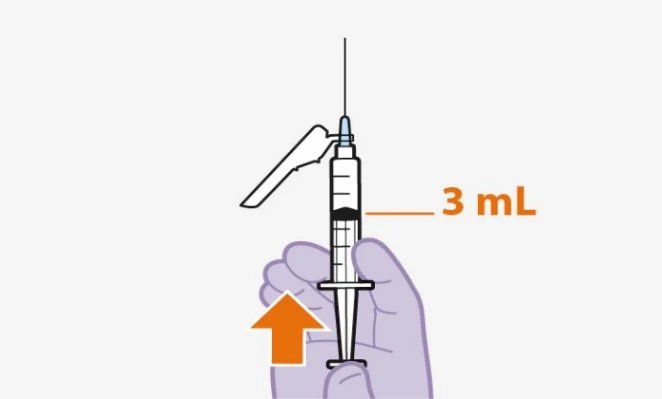 Figure P |
|
| |
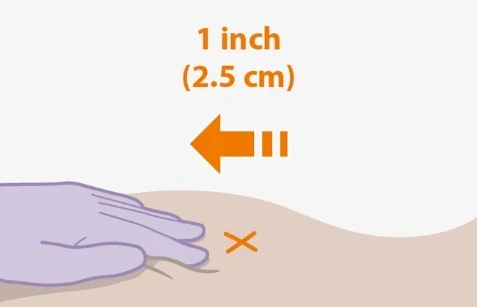 Figure Q |
|
| |
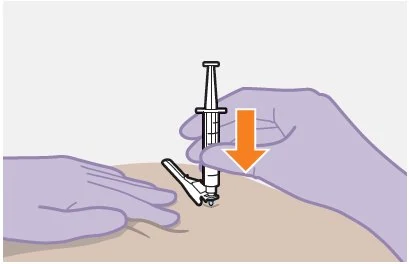 Figure R |
|
| |
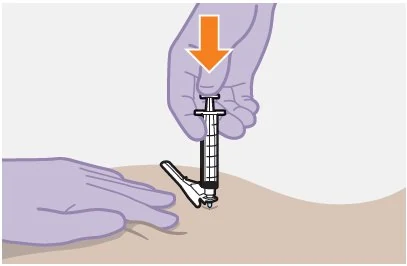 Figure S |
|
| |
 Figure T |
|
| |
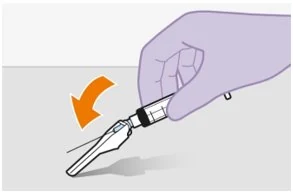 Figure U |
|
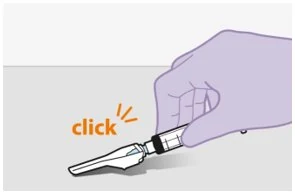 Figure V |
|
| After injection: | |
| |
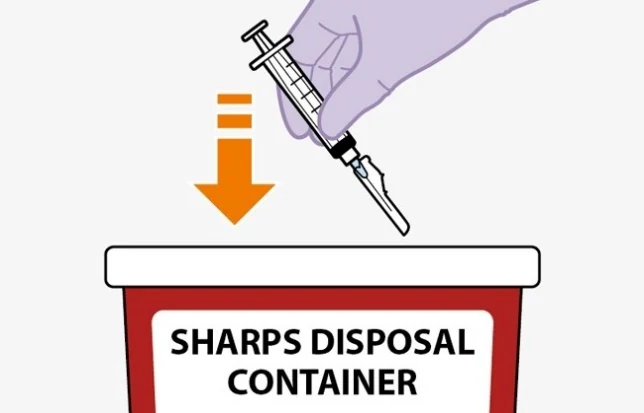 Figure W |
|
| Questions and Answers | |
| |
Manufactured for: ViiV Healthcare Durham, NC 27701 | |
Trademarks are owned by or licensed to the ViiV Healthcare group of companies. ©2024 ViiV Healthcare group of companies or its licensor. APR:5IFU | |
- This Instructions for Use has been approved by the U.S. Food and Drug Administration. Revised: 9/2024