


Patient information: uses, side effects, how to take - Vyjuvek
What is the most important information I should know about VYJUVEK Gel?
…The VYJUVEK® biological suspension must be mixed with the gel at the pharmacy prior to use.
…VYJUVEK gel should be applied by a healthcare professional (HCP) or by a patient/caregiver either at a healthcare professional setting (e.g., clinical) or a home setting.
What is VYJUVEK Gel?
…VYJUVEK gel is a prescription medicine for the treatment of wounds (topical use only), in adult and pediatric patients who have dominant or recessive dystrophic epidermolysis bullosa.
Who should not take VYJUVEK Gel?
… Individuals who are pregnant should not prepare or apply VYJUVEK gel and should avoid direct contact with the treated wounds or dressings from treated wounds.
Before taking VYJUVEK Gel, tell your healthcare provider about all of your medical conditions, including if you:
… are pregnant or plan to become pregnant. It is not known if VYJUVEK gel will harm your unborn baby.
…are breast feeding or plan to breast feed. It is not known if VYJUVEK gel passes into your breast milk.
Tell your doctor about all the medicines you take, including prescription and over-the-counter medicines, vitamins, and herbal supplements.
How should I take VYJUVEK Gel?
…See the Instructions For Use for detailed instructions.
…Use VYJUVEK exactly as your healthcare providers tells you to and do not use past the expiration date. If you have questions, reach out to your provider or the pharmacy for further instructions.
What should I avoid while taking VYJUVEK Gel?
…Avoid direct contact with treated wounds (e.g., touching or scratching) and dressings of treated wounds until the next dressing change following VYJUVEK gel application.
…Individuals should wear protective gloves when assisting with changing wound dressings and handling the disposal of the dressings.
What are the possible side effects of VYJUVEK Gel?
…The most common side effects of VYJUVEK gel are itching, chills, redness, rash, cough, and runny nose.
Call your doctor for medical advice about side effects. You may report side effects to FDA at 1-800-FDA-1088.
How should I store VYJUVEK Gel?
…See the Instructions For Use for detailed instructions.
…VYJUVEK gel syringes may remain at room temperature (20° to 25°C (68° to 77°F)) for up to 8 hours prior to application. Administration syringes can be kept in an appropriate insulated or temperature regulated secondary container for up to 48 hours at 2° to 8°C (35.6° to 46.4°F).
…Follow expiration information provided by the pharmacy. If you have any questions, reach out to the pharmacy for additional information.
General information about the safe and effective use of VYJUVEK Gel
…Medicines are sometimes prescribed for purposes other than those listed in a Medication Guide. Do not use VYJUVEK gel for a condition for which it was not prescribed. Do not give VYJUVEK gel to other people, even if they have the same symptoms that you have. It may harm them.
…You can ask your pharmacist or healthcare provider for information about VYJUVEK gel that is written for health professionals.
What are the ingredients in VYJUVEK Gel?
Active ingredients: beremagene geperpavec-svdt
Inactive ingredients: glycerol, sodium chloride, sodium phosphate dibasic, potassium chloride, potassium phosphate monobasic, hydroxypropyl methylcellulose, and tromethamine
Manufactured by: Krystal Biotech, Inc.
2100 Wharton Street, Suite 701
Pittsburgh, PA 15203
U.S. License No. 2301
For more information, go to www.vyjuvek.com or call 1-844-5-KRYSTAL (1-844-5-579-7825)
This Medication Guide has been approved by the U.S. Food and Drug Administration. Revised: 09/2025
INSTRUCTIONS FOR USE
VYJUVEK (vye-JOO-vek) Gel
(beremagene geperpavec-svdt)
biological suspension mixed with excipient gel, for topical use
This Instructions for Use contains information on how to apply VYJUVEK gel.
Read the Instructions for Use before you start using VYJUVEK gel. This information does not take the place of talking to your healthcare provider about your medical condition or your treatment.
You or your caregiver should be shown how to apply VYJUVEK gel before the first use.
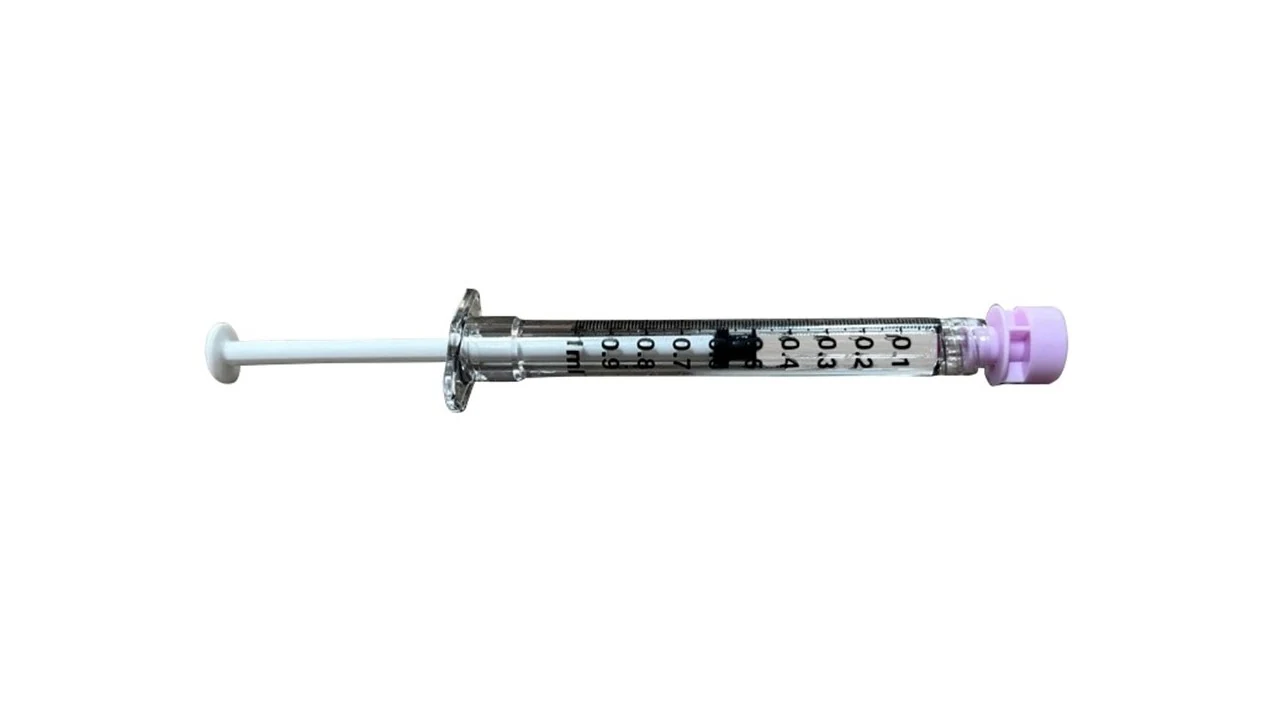
Vyjuvek Gel Syringe
Important Information You Need to Know Before Applying VYJUVEK Gel
Before Starting VYJUVEK GelIndividuals who are pregnant or nursing should not prepare or apply VYJUVEK gel and should avoid direct contact with the treated wounds or dressings from treated wounds, as this has not been formally studied. It is important to tell your healthcare provider if you are breastfeeding or plan to do so. They will then help you decide whether to stop breast-feeding, or whether to stop taking VYJUVEK gel, taking into account the benefit of breast-feeding to the baby and the benefit of VYJUVEK gel to you.
If you are allergic to beremagene geperpavec-svdt or any of its ingredients, you should not be given VYJUVEK gel.
Tell your healthcare provider about your standard of care routine including medications (prescribed and over the counter), bathing routine, dressing use, etc. before starting VYJUVEK gel.
How is VYJUVEK Gel Supplied?
Syringes containing VYJUVEK gel will be provided by the pharmacy in a sealable plastic bag. VYJUVEK gel in the syringes is ready for administration.
Measures for Accidental Exposure
To avoid accidental exposure follow the below instructions for the administration and handling of VYJUVEK gel:
- Wash hands and wear protective gloves while administering VYJUVEK gel.
- In the event of an accidental exposure through a splash to the eyes or mouth, flush with clean water for at least 15 minutes.
- Avoid direct contact with treated wounds (e.g., touching or scratching) and dressings of treated wounds until the next dressing change.
- Disinfect bandages from the first dressing change with a virucidal agent, such as 70% isopropyl alcohol, 6% hydrogen peroxide, or <0.4% ammonium chloride, and dispose of the disinfected bandages in a separate sealed plastic bag in household waste.
Storing VYJUVEK Gel Syringes
Follow the instructions provided by the pharmacy and do not use the syringes past their expiration.
- VYJUVEK gel syringes are provided by the pharmacy in a refrigerated (2° to 8°C (35.6° to 46.4°F)) container.
- VYJUVEK gel syringes can be stored at room temperature (20 to 25°C (68° to 77°F)) for up to 8 hours prior to application. Administration syringes can be kept in an appropriate insulated or temperature regulated secondary container for up to 48 hours at 2° to 8°C (35.6° to 46.4°F).
- Store VYJUVEK gel syringes out of the reach of children.
- Do NOT heat the syringes or place them in the microwave.
Applying VYJUVEK Gel
Work with your healthcare provider to determine the best wound preparation, administration and dressing routine that works for you.
It may not be possible to treat all wounds each week. VYJUVEK gel should be applied to wounds until they are closed before selecting new wound(s) to treat. Weekly treatment of previously treated wounds should be prioritized if they re-open.
If a dose is missed, VYJUVEK gel should be administered as soon as possible, and weekly treatments will continue. It is not recommended to stop your treatment without first consulting your doctor or nurse.
Wound Preparation
The wounds should be clean before applying VYJUVEK gel.
- Gently remove any medicines, ointments, drainage, scabbing, and dead skin at the wound area.
- Bathing is not required.
- Leaving wounds uncovered can be painful to some patients. Ensure your area is set-up and ready prior to beginning application.
- In some cases, it may be best to keep wounds covered and treat one area at a time, removing dressings as you go.
- Do not use products or dressing that may contain anti-viral agents within 24 hours prior to use of VYJUVEK gel.
- If you are unsure if a product contains an anti-viral agent, refer to the Manufacturer’s website at the end of this document for more information or contact your healthcare provider on what to avoid.
Supplies
Below is the list of supplies needed for VYJUVEK gel administration:
- VYJUVEK gel syringes
Hydrophobic dressing
- Refer to the Manufacturer’s website at the end of this document or contact your healthcare provider for more information on hydrophobic dressing options.
- Clean scissors
- Standard dressing
- Gloves
- Biohazard container
- Virucidal agent and absorbent material for clean-up
Follow the steps below for VYJUVEK gel administration.
The administration syringe should be primed prior to the initial application by pulling the plunger down and gently pushing it upwards, so that a small droplet of VYJUVEK gel forms at the tip of the syringe.
Step 1.Apply VYJUVEK gel to the selected wound(s) in droplets spaced evenly within the wound, approximately 1 cm-by-1 cm apart (width of a fingertip). The resulting droplet pattern should loosely resemble a grid. Avoid touching the administration syringe directly to the wound, only the droplet will touch the wound ( Figure 1).
Note:You can treat the wound underneath the blister cap after it has been drained. Additionally, the VYJUVEK gel can be applied directly to the hydrophobic dressing in the same 1 cm-by-1 cm pattern to the size of the wound, if direct administration is difficult.
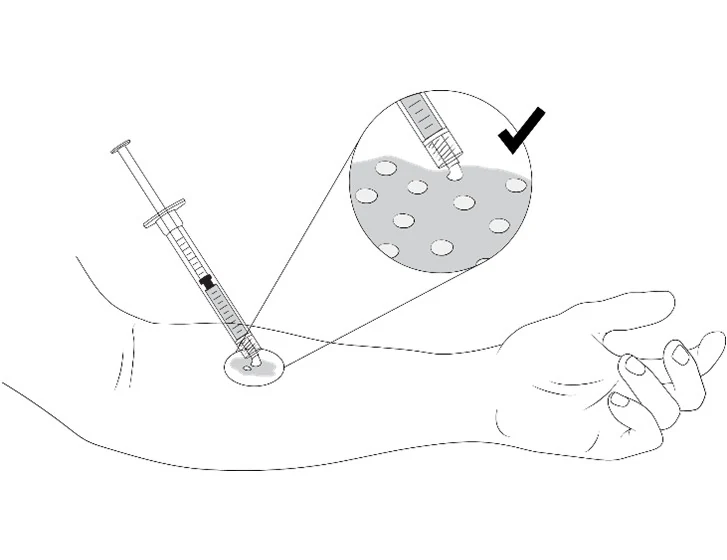
Figure 1 Application of VYJUVEK gel to the wound
Step 2.Use the scissors to cut the hydrophobic dressing to a size slightly larger than the wound and place the dressing atop the VYJUVEK gel droplets ( Figure 2).
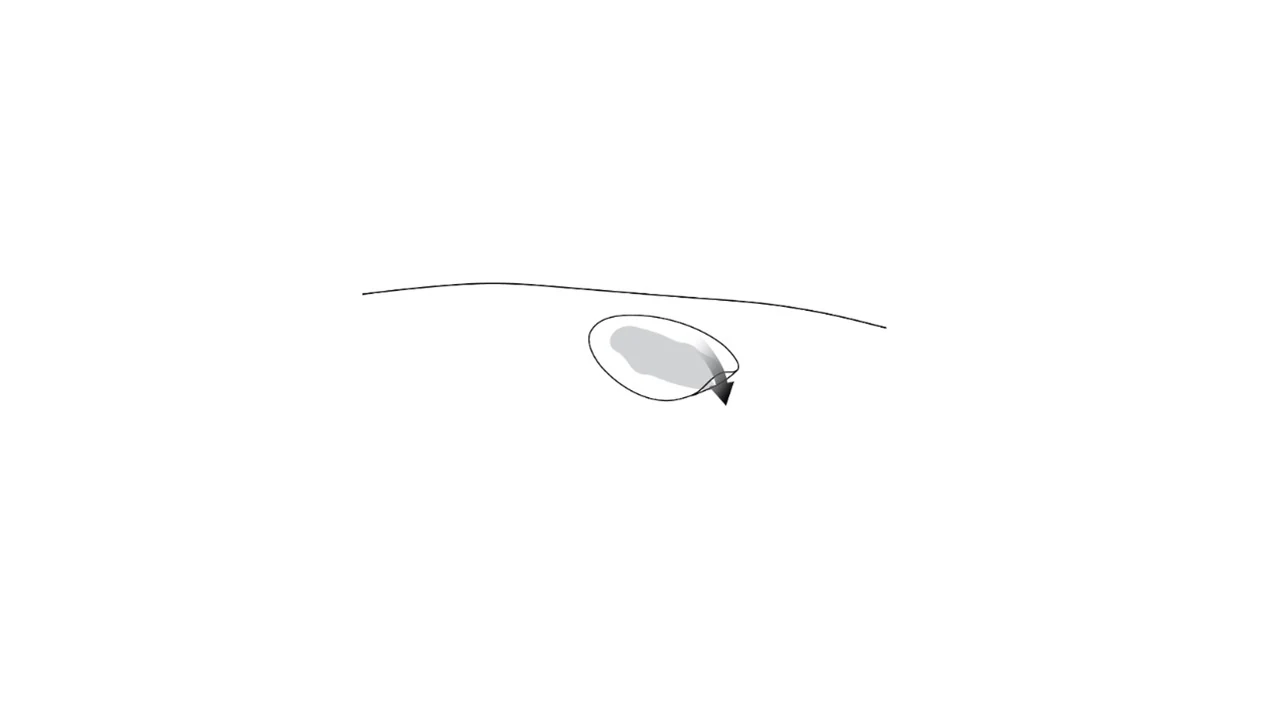
Figure 2 Placing the hydrophobic dressing over the treated wound
Step 3.Use the scissors to cut the standard dressing to a size slightly larger than the hydrophobic dressing and place the standard dressing atop the hydrophobic dressing ( Figure 3).
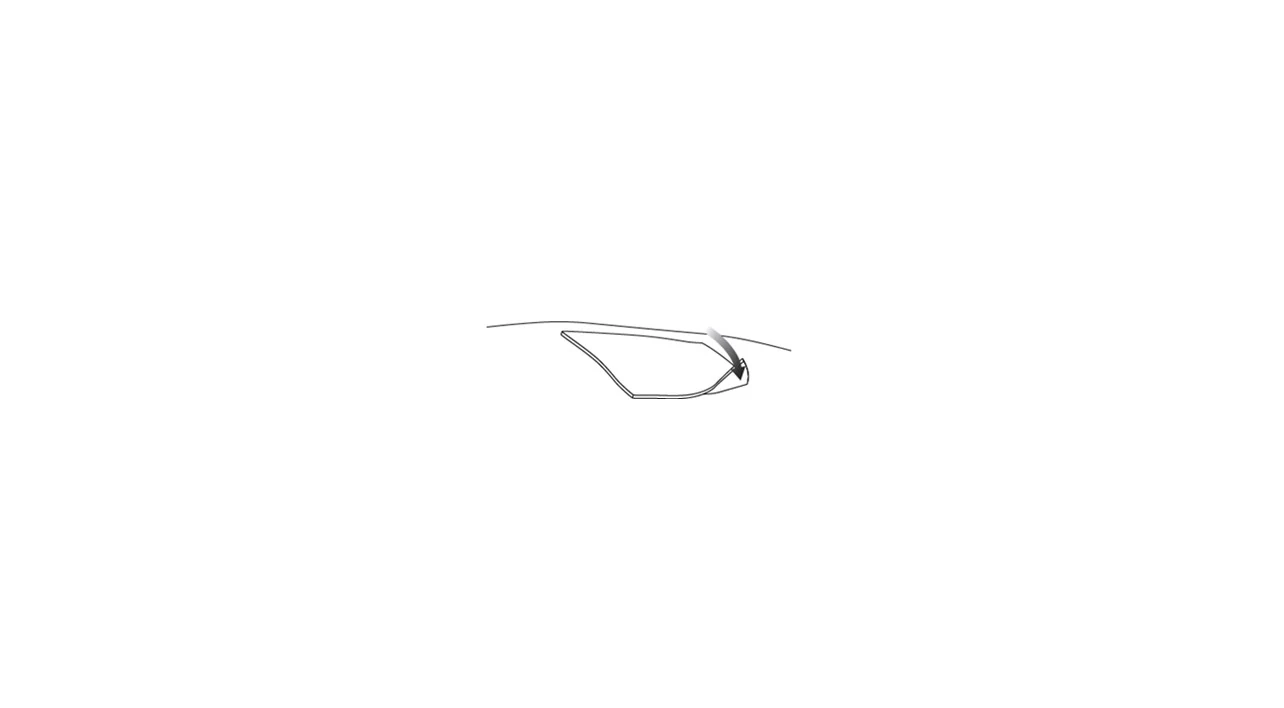
Figure 3 Placing the standard dressing over the hydrophobic dressing
Step 4.The VYJUVEK gel dressing should be left in place until the next dressing change. Disinfect VYJUVEK gel dressings, place in a sealable bag and discard into the household waste. Continue with your standard of care routine.
Disposal and Clean-up of VYJUVEK Gel
Clean all surfaces that may have come in contact with VYJUVEK gel and treat all spills (blot using absorbent material) with a virucidal agent such as 70% isopropyl alcohol, 6% hydrogen peroxide, or <0.4% ammonium chloride.
Dispose all materials (e.g., used and unused syringe (expired), cleaning materials) that may have come in contact with VYJUVEK gel into a biohazard container.
Once the VYJUVEK gel dressings are removed and disinfected with a virucidal agent, place them in a sealable bag and discard into the household waste. Standard of care routine can then be continued.
Additional Information
Manufactured by: Krystal Biotech, Inc.
2100 Wharton Street, Suite 701
Pittsburgh, PA 15203
U.S. License No. 2301
For more information, go to www.vyjuvek.com or call 1-844-5-KRYSTAL (1-844-5-579-7825)
This “Instructions for Use” has been approved by the U.S. Food and Drug Administration.
Approved: September 2025