


Prescribing information (package insert) - Oxderys
WARNING: CARDIOMYOPATHY, SECONDARY MALIGNANCIES, EXTRAVASATION AND TISSUE NECROSIS, and SEVERE MYELOSUPPRESSION
- Cardiomyopathy: Myocardial damage, including acute left ventricular failure, can occur with OXDERYS. The risk of cardiomyopathy is proportional to the cumulative exposure with incidence rates from 1% to 20% for cumulative doses ranging from 300 mg/m2 to 500 mg/m2 when OXDERYS is administered every 3 weeks. The risk of cardiomyopathy is further increased with concomitant cardiotoxic therapy. Assess left ventricular ejection fraction (LVEF) before and regularly during and after treatment with OXDERYS [see Warnings and Precautions (5.1)].
- Secondary Malignancies: Secondary acute myelogenous leukemia (AML) and myelodysplastic syndrome (MDS) occur at a higher incidence in patients treated with anthracyclines, including OXDERYS [see Warnings and Precautions (5.2)].
- Extravasation and Tissue Necrosis: Extravasation of OXDERYS can result in severe local tissue injury and necrosis requiring wide excision of the affected area and skin grafting. Immediately terminate the drug and apply ice to the affected area [see Warnings and Precautions (5.3)].
- Severe myelosuppression resulting in serious infection, septic shock, requirement for transfusions, hospitalization, and death may occur [see Warnings and Precautions (5.4)].
1 INDICATIONS AND USAGE
1.1 Adjuvant Breast Cancer
OXDERYS is indicated as a component of multi-agent adjuvant chemotherapy for treatment of adults with axillary lymph node involvement following resection of primary breast cancer.
1.2 Other Cancers
OXDERYS is indicated for the treatment of
- acute lymphoblastic leukemia
- acute myeloblastic leukemia
- Hodgkin lymphoma
- non-Hodgkin lymphoma (NHL)
- metastatic breast cancer
- metastatic Wilms' tumor
- metastatic neuroblastoma
- metastatic soft tissue sarcoma
- metastatic bone sarcoma
- metastatic ovarian carcinoma
- metastatic transitional cell bladder carcinoma
- metastatic thyroid carcinoma
- metastatic gastric carcinoma
- metastatic bronchogenic carcinoma
2 DOSAGE AND ADMINISTRATION
2.1 Recommended Dosage for Adjuvant Breast Cancer
The recommended dosage of OXDERYS is 60 mg/m2 administered intravenously on day 1 of each 21-day treatment cycle, in combination with cyclophosphamide, for a total of four cycles.
2.2 Recommended Dosage for Other Cancers
The recommended dosages for OXDERYS are provided in Table 1 below. Administer OXDERYS intravenously [see Dosage and Administration (2.5)].
Table 1: Recommended Dosages of OXDERYS for Other Cancers
| Recommended Dosages | Frequency | |
| Monotherapy | 60 mg/m2 to 75 mg/m2 | Every 21 days |
| Combination therapy with other chemotherapy agents | 40 mg/m2 to 75 mg/m2 | Every 21 to 28 days |
- Consider using the lower OXDERYS dose in the recommended dose range or extending the intervals between cycles for heavily pretreated patients, elderly patients, or obese patients.
- Cumulative doses above 550 mg/m2 are associated with an increased risk of cardiomyopathy [see Warnings and Precautions (5.1)].
2.3 Dosage Modifications for Adverse Reactions
Cardiomyopathy
Discontinue OXDERYS in patients who develop signs or symptoms of cardiomyopathy [see Warnings and Precautions (5.1)].
2.4 Dosage Modifications for Hepatic Impairment
OXDERYS is contraindicated in patients with severe hepatic impairment (Child-Pugh Class C or serum bilirubin greater than 5 mg/dL) [see Contraindications (4)].
The recommended dosage of OXDERYS in patients with elevated serum total bilirubin concentrations [see Use in Specific Populations (8.6)] is provided in Table 2.
Table 2: Recommended Dosage Modification for Elevated Serum Total Bilirubin
| Serum Total Bilirubin Concentration | Dosage Modification |
|---|---|
| 1.2 to 3 mg/dL | 50% |
| 3.1 to 5 mg/dL | 75% |
| Greater than 5 mg/dL | Discontinue OXDERYS |
2.5 Preparation and Administration
OXDERYS is a hazardous drug. Follow applicable special handling and disposal procedures1.
Parenteral drug products should be inspected visually for particulate matter and discoloration prior to administration, whenever solution and container permit.
Preparation
- If OXDERYS forms a gel during refrigerated storage, allow the gelled product to stand at room temperature at 15°C to 30°C (59°F to 86°F) for 2 to 4 hours until it returns to a slightly viscous, mobile solution prior to preparation.
- Withdraw the required volume of OXDERYS from the vial(s).
- Dilute OXDERYS with either 0.9% Sodium Chloride Injection, USP or 5% Dextrose Injection, USP to a final infusion concentration of 0.1 mg/mL to 1.25 mg/mL.
- After first use, store the partially used multiple-dose vials in the original carton refrigerated at 2°C to 8°C (36ºF to 46°F) for up to 28 days. Do not freeze. Discard the unused portion of the multiple-dose vial after 28 days.
Storage
- If not used immediately, store diluted OXDERYS at room temperature up to 25°C (77°F) or refrigerated at 2°C to 8°C (36°F to 46°F) for up to 24 hours. Discard after 24 hours.
Administration
Administration by Intravenous Injection
- Administer diluted OXDERYS as an intravenous injection through a central intravenous line or a secure and free-flowing peripheral venous line containing 0.9% Sodium Chloride Injection, USP, 0.45% Sodium Chloride Injection, USP, or 5% Dextrose Injection, USP.
- Administer intravenously over 3 to 10 minutes. Decrease the rate of infusion if erythematous streaking along the vein proximal to the site of infusion or facial flushing occur.
Administration by Continuous Intravenous Infusion
- Administer diluted OXDERYS solution only through a central intravenous line. Decrease the rate of infusion if erythematous streaking along the vein proximal to the site of infusion or facial flushing occur.
Management of Suspected Extravasation
Immediately discontinue OXDERYS for burning or stinging sensation or other evidence indicating peri-venous infiltration or extravasation. Manage confirmed or suspected extravasation as follows:
- Do not remove the needle until attempts are made to aspirate extravasated fluid.
- Do not flush the line.
- Avoid applying pressure to the site.
- Apply ice to the site intermittently for 15 minutes, 4 times a day for 3 days.
- If the extravasation is in an extremity, elevate the extremity.
- In adults, consider administration of dexrazoxane [see Warnings and Precautions (5.3)].
Management of Contact with Skin or Eyes
Treat accidental contact with the skin or eyes immediately by copious lavage with water, or soap and water, or sodium bicarbonate solution. Do not abrade the skin by using a scrub brush. Seek medical attention.
Incompatibility with Other Drugs
Do not admix OXDERYS with other drugs. If OXDERYS is mixed with heparin or fluorouracil, a precipitate may form. Avoid contact with alkaline solutions which can lead to hydrolysis of doxorubicin hydrochloride.
3 DOSAGE FORMS AND STRENGTHS
Injection: 40 mg/20 mL (2 mg/mL) and 160 mg/80 mL (2 mg/mL) of doxorubicin hydrochloride as a clear red, sterile, isotonic aqueous solution in a multiple-dose vial.
4 CONTRAINDICATIONS
OXDERYS is contraindicated in patients with:
- Severe myocardial insufficiency [see Warnings and Precautions (5.1)]
- Recent (occurring within the past 4-6 weeks) myocardial infarction [see Warnings and Precautions (5.1)]
- Severe persistent drug-induced myelosuppression [see Warnings and Precautions (5.4)]
- Severe hepatic impairment (defined as Child Pugh Class C or serum bilirubin level greater than 5 mg/dL) [see Use in Specific Populations (8.6)]
- Severe hypersensitivity reaction to doxorubicin hydrochloride, including anaphylaxis [see Adverse Reactions (6.2)]
5 WARNINGS AND PRECAUTIONS
5.1 Cardiomyopathy and Arrhythmias
Cardiomyopathy
OXDERYS can result in myocardial damage, including acute left ventricular failure. The risk of cardiomyopathy is generally proportional to the cumulative exposure. Include prior doses of other anthracyclines or anthracenediones in calculations of total cumulative dosage for OXDERYS. Cardiomyopathy may develop during treatment or up to several years after completion of treatment and can include decrease in LVEF and signs and symptoms of congestive heart failure (CHF). The probability of developing cardiomyopathy is estimated to be 1 to 2% at a total cumulative dose of 300 mg/m2 of doxorubicin hydrochloride, 3 to 5% at a dose of 400 mg/m2, 5 to 8% at a dose of 450 mg/m2, and 6 to 20% at a dose of 500 mg/m2, when doxorubicin hydrochloride is administered every 3 weeks. There is an additive or potentially synergistic increase in the risk of cardiomyopathy in patients who have received radiotherapy to the mediastinum or concomitant therapy with other known cardiotoxic agents, such as cyclophosphamide and trastuzumab.
Pericarditis and myocarditis have also been reported during or following doxorubicin hydrochloride treatment.
Assess left ventricular cardiac function (e.g., MUGA or echocardiogram) prior to initiation of OXDERYS, during treatment to detect acute changes, and after treatment to detect delayed cardiotoxicity. Increase the frequency of assessments as the cumulative dose exceeds 300 mg/m2. Use the same method of assessment of LVEF at all time points [see Use in Specific Populations (8.4)]. Discontinue OXDERYS in patients who develop signs or symptoms of cardiomyopathy [see Dosage and Administration (2.3)].
Consider the use of dexrazoxane to reduce the incidence and severity of cardiomyopathy due to OXDERYS administration in patients who have received a cumulative OXDERYS dose of 300 mg/m2 and who will continue to receive OXDERYS.
Arrhythmias
OXDERYS can result in arrhythmias, including life-threatening arrhythmias, during or within a few hours after OXDERYS administration and at any time point during treatment. Tachyarrhythmias, including sinus tachycardia, premature ventricular contractions, and ventricular tachycardia, as well as bradycardia, can occur. Electrocardiographic changes, including non-specific ST-T wave changes, atrioventricular and bundle-branch block can also occur. These electrocardiographic changes may be transient and self-limited and may not require a dosage modification of OXDERYS.
5.2 Secondary Malignancies
The risk of developing secondary acute myelogenous leukemia (AML) and myelodysplastic syndrome (MDS) is increased following treatment with OXDERYS. Cumulative incidences ranged from 0.2% at five years to 1.5% at 10 years in two separate trials involving the adjuvant treatment of women with breast cancer. These leukemias generally occur within 1 to 3 years of treatment.
5.3 Extravasation and Tissue Necrosis
Extravasation of OXDERYS can cause severe local tissue injury manifesting as blistering, ulceration, and necrosis requiring wide excision of the affected area and skin grafting. Extravasation should be considered if a patient experiences a burning or stinging sensation or shows other evidence indicating peri-venous infiltration or extravasation; however, extravasation may be present in patients who do not experience a stinging or burning sensation or when blood return is present on aspiration of the infusion needle.
When given via a peripheral venous line, infuse OXDERYS over 10 minutes or less to minimize the risk of thrombosis or perivenous extravasation.
If extravasation is suspected, immediately discontinue the intravenous injection or continuous intravenous infusion [see Dosage and Administration (2.5)]. Apply ice to the site intermittently for 15 minutes, 4 times a day for 3 days. In adults, if appropriate, administer dexrazoxane at the site of extravasation as soon as possible and within the first 6 hours after extravasation.
5.4 Severe Myelosuppression
OXDERYS can cause myelosuppression. In Study 1, the incidence of severe myelosuppression was: grade 4 leukopenia (0.3%), grade 3 leukopenia (3%), and grade 4 thrombocytopenia (0.1%). A dose-dependent, reversible neutropenia is the predominant manifestation of myelosuppression from doxorubicin hydrochloride. When OXDERYS is administered every 21 days, the neutrophil count reaches its nadir 10 to 14 days after administration with recovery usually occurring by day 21.
Obtain complete blood counts prior to each treatment and carefully monitor patients during treatment for possible clinical complications due to myelosuppression. Delay next dose of OXDERYS if severe myelosuppression has not improved. Consider dose reduction for patients with prolonged myelosuppression based on severity of reaction.
5.5 Tumor Lysis Syndrome
OXDERYS can induce tumor lysis syndrome in patients with rapidly growing tumors. Evaluate blood uric acid levels, potassium, calcium, phosphate, and creatinine after initial treatment. Hydration, urine alkalinization, and prophylaxis with allopurinol to prevent hyperuricemia may minimize potential complications of tumor lysis syndrome.
5.6 Potentiation of Radiation Toxicity and Radiation Recall
OXDERYS can increase radiation-induced toxicity to the myocardium, mucosa, skin, and liver. Radiation recall, including but not limited to cutaneous and pulmonary toxicity, can occur in patients who receive OXDERYS after prior radiation therapy.
5.7 Embryo-Fetal Toxicity
Based on findings in animals and its mechanism of action, OXDERYS can cause fetal harm when administered to a pregnant woman; avoid the use of OXDERYS during the 1st trimester. Available human data do not establish the presence or absence of major birth defects and miscarriage related to the use of doxorubicin hydrochloride during the 2nd and 3rd trimesters. Doxorubicin hydrochloride was teratogenic and embryotoxic in rats and rabbits at doses lower than the recommended human dose. Advise pregnant women of the potential risk to a fetus. Advise females of reproductive potential to use effective contraception during treatment with OXDERYS and for 6 months after the last dose. Advise males with female partners of reproductive potential to use effective contraception during treatment with OXDERYS and for 3 months after the last dose. Advise males with pregnant partners to use condoms during treatment with OXDERYS and for at least 10 days after the last dose [see Use in Specific Populations (8.1, 8.3), Clinical Pharmacology (12.1), Nonclinical Toxicology (13.1)].
6 ADVERSE REACTIONS
The following clinically significant adverse reactions are described elsewhere in the labeling:
- Cardiomyopathy and Arrhythmias [see Warnings and Precautions (5.1)]
- Secondary Malignancies [see Warnings and Precautions (5.2)]
- Extravasation and Tissue Necrosis [see Warnings and Precautions (5.3)]
- Severe Myelosuppression [see Warnings and Precautions (5.4)]
- Tumor Lysis Syndrome [see Warnings and Precautions (5.5)]
- Radiation Sensitization and Radiation Recall [see Warnings and Precautions (5.6)]
6.1 Clinical Trials Experience
Because clinical trials are conducted under widely varying conditions, adverse reaction rates observed in the clinical trials of a drug cannot be directly compared to rates in the clinical trials of another drug and may not reflect the rates observed in practice.
Breast Cancer
The safety data below were collected from 1492 women who received doxorubicin hydrochloride at a dose of 60 mg/m2 and cyclophosphamide at a dose of 600 mg/m2 (AC) every 3 weeks for 4 cycles for the adjuvant treatment of axillary lymph node positive breast cancer. The median number of cycles received was 4. Selected adverse reactions reported in this study are provided in Table 3. No treatment-related deaths were reported in patients on either arm of the study.
Table 3: Selected Adverse Reactions in Patients with Early Breast Cancer Involving Axillary Lymph Nodes
| Adverse Reactions | AC* N = 1492 | Conventional CMF N = 739 |
| % | % | |
| Alopecia | 92 | 71 |
| Vomiting | ||
| Vomiting ≤12 hours | 34 | 25 |
| Vomiting >12 hours | 37 | 12 |
| Intractable | 5 | 2 |
| Leukopenia | ||
| Grade 3 (1,000 to 1,999/mm3) | 3.4 | 9.4 |
| Grade 4 (<1,000 /mm3) | 0.3 | 0.3 |
| Shock, sepsis | 2 | 1 |
| Systemic infection | 2 | 1 |
| Cardiac dysfunction | ||
| Asymptomatic | 0.2 | 0.1 |
| Transient | 0.1 | 0 |
| Symptomatic | 0.1 | 0 |
| Thrombocytopenia | ||
| Grade 3 (25,000 to 49,999 /mm3) | 0 | 0.3 |
| Grade 4 (<25,000 /mm3) | 0.1 | 0 |
AC = doxorubicin hydrochloride, cyclophosphamide; CMF = cyclophosphamide, methotrexate, fluorouracil
* Includes pooled data from patients who received either AC for 4 cycles or AC for 4 cycles followed by CMF for 3 cycles
6.2 Postmarketing Experience
The following adverse reactions have been identified during postapproval use of doxorubicin hydrochloride injection. Because these reactions are reported voluntarily from a population of uncertain size, it is not always possible to reliably estimate their frequency or establish a causal relationship to drug exposure.
Cardiac – Cardiogenic shock
Cutaneous – Skin and nail hyperpigmentation, oncolysis, rash, itching, photosensitivity, urticaria, acral erythema, palmar plantar erythrodysesthesia
Gastrointestinal – Nausea, mucositis, stomatitis, necrotizing colitis, typhlitis, gastric erosions, gastrointestinal tract bleeding, hematochezia, esophagitis, anorexia, abdominal pain, dehydration, diarrhea, hyperpigmentation of the oral mucosa
Hypersensitivity – Anaphylaxis
Laboratory Abnormalities – Increased ALT, increased AST
Neurological – Peripheral sensory and motor neuropathy, seizures, coma
Ocular – Conjunctivitis, keratitis, lacrimation
Vascular – Phlebosclerosis, phlebitis/thrombophlebitis, hot flashes, thromboembolism
Other – Malaise/asthenia, fever, chills, weight gain
7 DRUG INTERACTIONS
7.1 Effect of Other Drugs on OXDERYS
Inhibitors of CYP3A4, CYP2D6, and P-gp
Avoid concomitant use of OXDERYS with inhibitors of CYP3A4, CYP2D6, or P-gp.
Concomitant use of doxorubicin hydrochloride with inhibitors of CYP3A4, CYP2D6, or P-glycoprotein (P-gp), increased concentrations of doxorubicin, which may increase the incidence and severity of adverse reactions of OXDERYS.
Inducers of CYP3A4, CYP2D6, or P-gp
Avoid concomitant use of OXDERYS with inducers of CYP3A4, CYP2D6, or P-gp.
Concomitant use of doxorubicin hydrochloride with inducers of CYP3A4, CYP2D6, or P-gp may decrease the concentration of doxorubicin.
Paclitaxel
- Administer OXDERYS prior to paclitaxel if used concomitantly. Paclitaxel, when given prior to doxorubicin hydrochloride, increases the plasma concentrations of doxorubicin and its metabolites.
7.2 Concomitant Use of Trastuzumab
Avoid concomitant administration of OXDERYS and trastuzumab [see Warnings and Precautions (5.1)]. Concomitant use of trastuzumab and doxorubicin hydrochloride results in an increased risk of cardiac dysfunction.
Patients receiving doxorubicin after stopping treatment with trastuzumab may also be at an increased risk of developing cardiotoxicity. Trastuzumab may persist in the circulation for up to 7 months. Therefore, avoid anthracycline-based therapy for up to 7 months after stopping trastuzumab when possible. If anthracyclines are used before this time, carefully monitor cardiac function.
7.3 Concomitant Use of Dexrazoxane
Do not administer dexrazoxane as a cardioprotectant at the initiation of OXDERYS-containing chemotherapy regimens. In a randomized trial in women with metastatic breast cancer, initiation of dexrazoxane with doxorubicin hydrochloride-based chemotherapy resulted in a significantly lower tumor response rate (48% vs. 63%; p = 0.007) and shorter time to progression compared to doxorubicin hydrochloride-based chemotherapy alone.
7.4 Concomitant Use of 6-Mercaptopurine
OXDERYS may potentiate 6-mercaptopurine-induced hepatotoxicity. In 11 patients with refractory leukemia treated with 6-mercaptopurine (500 mg/m2 intravenously daily for 5 days per cycle every 2 to 3 weeks) and doxorubicin hydrochloride (50 mg/m2 intravenous once per cycle every 2 to 3 weeks) alone or with vincristine and prednisone, all developed hepatic dysfunction manifested by increased total serum bilirubin, alkaline phosphatase and aspartate aminotransferase.
8 USE IN SPECIFIC POPULATIONS
8.1 Pregnancy
Risk Summary
Based on findings in animals and its mechanism of action, doxorubicin hydrochloride injection can cause fetal harm when administered to a pregnant woman [see Clinical Pharmacology (12.1)]. Avoid the use of OXDERYS during the 1st trimester. Available human data do not establish the presence or absence of major birth defects and miscarriage related to the use of doxorubicin hydrochloride during the 2nd and 3rd trimesters. Doxorubicin hydrochloride was teratogenic and embryotoxic in rats and embryotoxic in rabbits when administered during organogenesis at doses approximately 0.07 times (based on body surface area) the recommended human dose of 60 mg/m2 (see Data). Advise pregnant women of the potential risk to a fetus.
In the U.S. general population, the estimated background risk of major birth defects and miscarriage in clinically recognized pregnancies is 2% to 4% and 15% to 20%, respectively.
Data
Animal Data
Doxorubicin hydrochloride was teratogenic and embryotoxic at doses of 0.8 mg/kg/day (about 0.07 times the recommended human dose based on body surface area) when administered during the period of organogenesis in rats. Teratogenicity and embryotoxicity were also seen using discrete periods of treatment. The most susceptible was the 6- to 9-day gestation period at doses of 1.25 mg/kg/day and greater. Characteristic malformations included esophageal and intestinal atresia, tracheo-esophageal fistula, hypoplasia of the urinary bladder, and cardiovascular anomalies. Doxorubicin hydrochloride was embryotoxic (increase in embryofetal deaths) and abortifacient at 0.4 mg/kg/day (about 0.07 times the recommended human dose based on body surface area) in rabbits when administered during the period of organogenesis.
8.2 Lactation
Risk Summary
Doxorubicin was measured in the milk of one lactating patient after therapy with 70 mg/m2 of doxorubicin hydrochloride given as a 15-minute intravenous infusion. The peak milk concentration at 24 hours after treatment was 4.4-fold greater than the corresponding plasma concentration. Doxorubicin was detectable in the milk up to 72 hours. There are no data on the effects of doxorubicin hydrochloride on the breastfed child or the effects on milk production. Because of the potential for serious adverse reactions in the breastfed child, advise women not to breastfeed during treatment with OXDERYS and for 10 days after the last dose.
8.3 Females and Males of Reproductive Potential
Pregnancy Testing
Verify the pregnancy status of females of reproductive potential prior to initiating OXDERYS.
Contraception
Females
OXDERYS can cause fetal harm when administered to pregnant women [see Use in Specific Populations (8.1)]. Advise female patients of reproductive potential to use effective contraception during treatment with OXDERYS and for 6 months after the last dose.
Males
OXDERYS may damage spermatozoa and testicular tissue, resulting in possible genetic fetal abnormalities. Due to the potential for genotoxicity, advise males with female partners of reproductive potential to use effective contraception during treatment with OXDERYS and for 3 months after the last dose. Males with pregnant partners should use condoms during treatment and for at least 10 days after the last dose [see Nonclinical Toxicology (13.1), Use in Specific Populations (8.1)].
Infertility
Females
In females of reproductive potential, OXDERYS may cause infertility and result in amenorrhea. Premature menopause can occur. Recovery of menses and ovulation is related to age at treatment [see Nonclinical Toxicology (13.1)].
Males
OXDERYS may result in oligospermia, azoospermia, and permanent loss of fertility. Sperm counts have been reported to return to normal levels in some men. This may occur several years after the end of therapy [see Nonclinical Toxicology (13.1)].
8.4 Pediatric Use
Based on postmarketing reports, pediatric patients treated with doxorubicin hydrochloride are at risk for developing late cardiovascular dysfunction. Risk factors include young age at treatment (especially < 5 years), high cumulative doses and receipt of combined modality therapy. Long-term periodic cardiovascular monitoring is recommended for all pediatric patients who have received doxorubicin hydrochloride. OXDERYS, as a component of intensive chemotherapy regimens administered to pediatric patients, may contribute to prepubertal growth failure and may also contribute to gonadal impairment, which is usually temporary.
There are no recommended dose adjustments based on age. Doxorubicin clearance was increased in patients aged 2 years to 20 years as compared to adults, while doxorubicin clearance was similar in infants less than 2 years as compared to adults [see Clinical Pharmacology (12.3)].
8.5 Geriatric Use
Clinical experience in patients who were 65 years of age and older who received doxorubicin hydrochloride-based chemotherapy regimens for metastatic breast cancer showed no overall differences in safety and effectiveness compared with younger patients.
8.6 Hepatic Impairment
The clearance of doxorubicin was reduced in patients with elevated serum total bilirubin levels. OXDERYS is contraindicated in patients with severe hepatic impairment (defined as Child Pugh Class C or serum bilirubin levels greater than 5 mg/dL) [see Contraindications (4)]. Reduce the dose of OXDERYS in patients with serum total bilirubin levels greater than 1.2 mg/dL [see Dosage and Administration (2.4)].
10 OVERDOSAGE
Few cases of overdose have been described.
A 58-year-old man with acute lymphoblastic leukemia received 10-fold overdose of doxorubicin hydrochloride (300 mg/m2) in one day. He was treated with charcoal filtration, hemopoietic growth factor (G-CSF), proton pump inhibitor and antimicrobial prophylaxis. The patient suffered sinus tachycardia, grade 4 neutropenia and thrombocytopenia for 11 days, severe mucositis and sepsis. The patient recovered completely 26 days after the overdose.
A 17-year-old girl with osteogenic sarcoma received 150 mg of doxorubicin hydrochloride daily for 2 days (intended dose was 50 mg per day for 3 days). The patient developed severe mucositis on days 4–7 after the overdose and chills and pyrexia on day 7. The patient was treated with antibiotics and platelets and recovered 18 days after overdose.
11 DESCRIPTION
OXDERYS injection contains doxorubicin hydrochloride, an anthracycline topoisomerase inhibitor isolated from cultures of Streptomyces peucetius var. caesius. The chemical name of doxorubicin hydrochloride is 5,12-Naphthacenedione, 10-[(3-amino-2,3,6-trideoxy-α-L- lyxo- hexopyranosyl)oxy]-7,8,9,10-tetrahydro-6,8,11-trihydroxy-8-(hydroxylacetyl)-1-methoxy-, hydrochloride (8S- cis )-. The chemical structure of doxorubicin hydrochloride is:
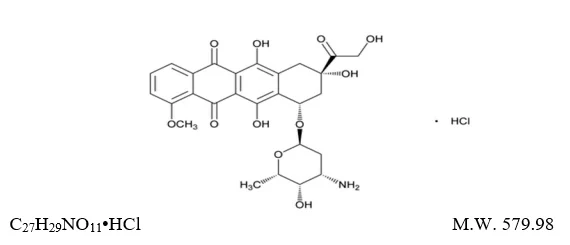
OXDERYS (doxorubicin hydrochloride injection), for intravenous use, is supplied as a clear red, sterile, isotonic aqueous solution available in multiple-dose vials containing 40 mg/20 mL doxorubicin hydrochloride (equivalent to 37.48 mg doxorubicin free base) or 160 mg/80 mL doxorubicin hydrochloride (equivalent to 149.93 mg doxorubicin free base). The drug product has demonstrated inherent antimicrobial activity suitable for a multiple-dose presentation. Each mL contains 2 mg doxorubicin hydrochloride (equivalent to 1.87 mg doxorubicin free base) and 9 mg sodium chloride in water for injection, USP. The pH of the solution is adjusted to 2.5 to 4.5 with hydrochloric acid, NF.
12 CLINICAL PHARMACOLOGY
12.1 Mechanism of Action
The cytotoxic effect of doxorubicin hydrochloride on malignant cells and its toxic effects on various organs are thought to be related to nucleotide base intercalation and cell membrane lipid binding activities of doxorubicin. Intercalation inhibits nucleotide replication and action of DNA and RNA polymerases. The interaction of doxorubicin with topoisomerase II to form DNA-cleavable complexes appears to be an important mechanism of doxorubicin hydrochloride cytocidal activity.
12.2 Pharmacodynamics
Doxorubicin hydrochloride exposure-response relationships and the time course of pharmacodynamic response are unknown.
12.3 Pharmacokinetics
Pharmacokinetic studies conducted in patients with various types of tumors have shown that doxorubicin follows multiphasic disposition after intravenous injection. In four patients, doxorubicin demonstrated dose-independent pharmacokinetics across a dose range of 30 mg/m2 to 70 mg/m2.
Distribution
The distribution half-life is approximately 5 minutes. Steady-state distribution volume ranges from 809 L/m2 to 1214 L/m2. Binding of doxorubicin and its major metabolite, doxorubicinol, to plasma proteins is 75% and is independent of plasma concentration of doxorubicin up to 1.1 μg/mL.
Doxorubicin does not cross the blood brain barrier.
Elimination
Plasma clearance ranges from 324 mL/min/m2 to 809 mL/min/m2. The terminal half-life is 20 hours to 48 hours.
Metabolism
Doxorubicin is a substrate of CYP3A4, CYP2D6, and P-gp.
Enzymatic reduction at the 7 position and cleavage of the daunosamine sugar yields aglycones which are accompanied by free radical formation, the local production of which may contribute to the cardiotoxic activity of doxorubicin hydrochloride.
Disposition of doxorubicinol in patients is formation rate limited, with the terminal half-life of doxorubicinol being similar to doxorubicin. The relative exposure of doxorubicinol, i.e., the ratio between the AUC of doxorubicinol and the AUC of doxorubicin is approximately 0.5.
Excretion
Plasma clearance is predominately by metabolism and biliary excretion. Approximately 40% of the dose appears in the bile in 5 days, while only 5% to 12% of the drug and its metabolites appear in the urine during the same time period. In urine, <3% of the dose was recovered as doxorubicinol over 7 days.
Specific Populations
Weight
Systemic clearance of doxorubicin is significantly reduced in obese women with ideal body weight greater than 130%. There was a significant reduction in clearance without any change in volume of distribution in obese patients when compared with normal patients with less than 115% ideal body weight.
Pediatric Patients
Following administration of doses ranging from 10 mg/m2 to 75 mg/m2 of doxorubicin hydrochloride to 60 patients ranging from 2 months to 20 years, doxorubicin clearance averaged 1443 ± 114 mL/min/m2. Further analysis demonstrated that clearance in 52 patients ranging from 2 to 20 years (1540 mL/min/m2) was increased compared with adults. However, clearance in infants younger than 2 years of age (813 mL/min/m2) was decreased compared with older patients (ranging from 2 to 20 years) and approached the range of clearance values determined in adults [see Use in Specific Populations (8.4)].
Sex
A published clinical study involving 6 men and 21 women with no prior anthracycline therapy reported a significantly higher median doxorubicin clearance in men compared to women (1088 mL/min/m2 versus 433 mL/min/m2). However, the terminal half-life of doxorubicin was longer in men compared to women (54 versus 35 hours).
Patients with Hepatic Impairment
The clearance of doxorubicin and doxorubicinol was reduced in patients with elevated serum total bilirubin concentrations [see Dosage and Administration (2.4), Use in Specific Populations (8.6)].
13 NONCLINICAL TOXICOLOGY
13.1 Carcinogenesis, Mutagenesis, Impairment of Fertility
Doxorubicin hydrochloride treatment can increase the risk of secondary malignancies based on postmarketing reports [see Warnings and Precautions (5.2)]. Doxorubicin hydrochloride was mutagenic in the in vitro Ames assay, and clastogenic in multiple in vitro assays (CHO cell, V79 hamster cell, human lymphoblast, and SCE assays) and the in vivo mouse micronucleus assay.
Doxorubicin hydrochloride decreased fertility in female rats at the doses of 0.05 and 0.2 mg/kg/day (approximately 0.005 and 0.02 times the recommended human dose, based on body surface area).
A single intravenous dose of 0.1 mg/kg doxorubicin hydrochloride (approximately 0.01 times the recommended human dose based on body surface area) was toxic to male reproductive organs in animal studies, producing testicular atrophy, diffuse degeneration of the seminiferous tubules, and oligospermia/hypospermia in rats. Doxorubicin hydrochloride induces DNA damage in rabbit spermatozoa and dominant lethal mutations in mice.
14 CLINICAL STUDIES
14.1 Adjuvant Breast Cancer
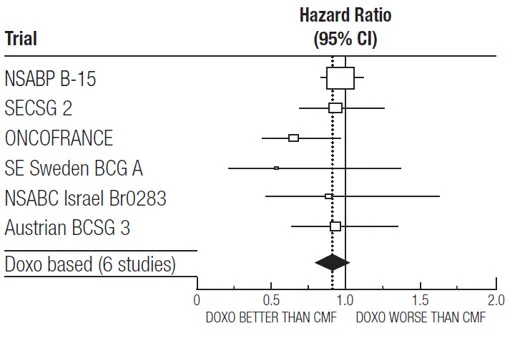
The efficacy of doxorubicin hydrochloride-containing regimens for the post-operative, adjuvant treatment of surgically resected breast cancer was evaluated in a meta-analysis conducted by the Early Breast Cancer Trialists Collaborative Group (EBCTCG). The EBCTCG meta-analyses compared cyclophosphamide, methotrexate, and fluorouracil (CMF) to no chemotherapy (19 trials including 7523 patients) and doxorubicin hydrochloride-containing regimens with CMF as an active control (6 trials including 3510 patients). Data from the meta-analysis of trials comparing CMF to no therapy were used to establish the historical treatment effect size for CMF regimens. The major efficacy outcome measures were disease-free survival (DFS) and overall survival (OS).
Of the 3510 women (2157 received doxorubicin hydrochloride-containing regimens and 1353 received CMF treatment) with early breast cancer involving axillary lymph nodes included in the six trials from the meta-analyses, approximately 70% were premenopausal and 30% were postmenopausal.
At the time of the meta-analysis, 1745 first recurrences and 1348 deaths had occurred. The analyses demonstrated that doxorubicin hydrochloride-containing regimens retained at least 75% of the historical CMF adjuvant effect on DFS with a hazard ratio (HR) of 0.91 (95% CI: 0.82, 1.01) and on OS with a HR of 0.91 (95% CI: 0.81, 1.03). Efficacy results are provided in Table 4 and Figures 1 and 2.
Table 4: Summary of Randomized Trials Comparing Doxorubicin Hydrochloride-Containing Regimens Versus CMF in Meta-Analysis
Study (starting year) | Regimens | No. of Cycles | No. of Patients | Doxorubicin Hydrochloride-Containing Regimens vs CMF HR** (95% CI) | |
|---|---|---|---|---|---|
| DFS | OS | ||||
NSABP B-15 (1984) | AC CMF | 4 6 | 1562* 776 | 0.93 (0.82, 1.06) | 0.97 |
| (0.83, 1.12) | |||||
SECSG 2 (1976) | FAC CMF | 6 6 | 260 268 | 0.86 (0.66, 1.13) | 0.93 |
| (0.69, 1.26) | |||||
ONCOFRANCE (1978) | FACV CMF | 12 12 | 138 113 | 0.71 (0.49, 1.03) | 0.65 |
| (0.44, 0.96) | |||||
SE Sweden BCG A (1980) | AC CMF | 6 6 | 21 22 | 0.59 (0.22, 1.61) | 0.53 |
| (0.21, 1.37) | |||||
NSABC Israel Br0283 (1983) | AVbCMF † CMF | 4 6 6 | 55 50 | 0.91 (0.53, 1.57) | 0.88 |
| (0.47, 1.63) | |||||
Austrian BCSG 3 (1984) | CMFVA CMF | 6 8 | 121 124 | 1.07 (0.73, 1.55) | 0.93 |
| (0.64, 1.35) | |||||
| Combined Studies | Doxorubicin Hydrochloride-Containing Regimen CMF | 2157 1353 | 0.91 (0.82, 1.01) | 0.91 (0.81, 1.03) | |
Abbreviations: DFS = disease free survival; OS = overall survival; AC = doxorubicin hydrochloride, cyclophosphamide; AVbCMF = doxorubicin hydrochloride, vinblastine, cyclophosphamide, methotrexate, fluorouracil; CMF = cyclophosphamide, methotrexate, fluorouracil; CMFVA = cyclophosphamide, methotrexate, fluorouracil, vincristine, doxorubicin hydrochloride; FAC = fluorouracil, doxorubicin hydrochloride, cyclophosphamide;
FACV = fluorouracil, doxorubicin hydrochloride, cyclophosphamide, vincristine; HR = hazard ratio; CI = confidence interval
* Includes pooled data from patients who received either AC alone for 4 cycles, or who were treated with AC for 4 cycles followed by 3 cycles of CMF.
** Hazard ratio of less than 1 indicates that the treatment with doxorubicin hydrochloride-containing regimens is associated with lower risk of disease recurrences or death compared to the treatment with CMF.
† Patients received alternating cycles of AVb and CMF.
Figure 1. Meta-analysis of Disease-Free Survival
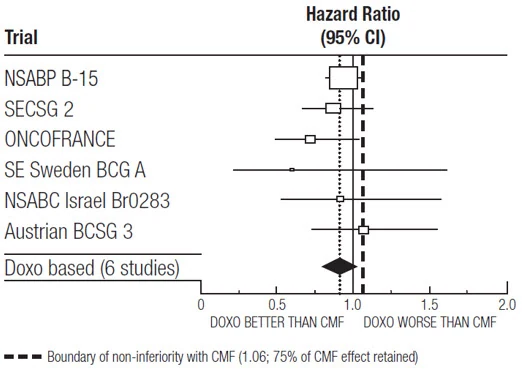
Figure 2. Meta-analysis of Overall Survival
15 REFERENCES
- 1. “Hazardous Drugs.” OSHA. http://www.osha.gov/SLTC/hazardousdrugs/index.html
16 HOW SUPPLIED/STORAGE AND HANDLING
OXDERYS™ (doxorubicin hydrochloride injection) is a clear red, sterile, isotonic aqueous solution supplied in multiple-dose vials individually packaged in a carton as follows:
| Strength | NDC |
| 40 mg/20 mL (2 mg/mL) | 83831-161-20 |
| 160 mg/80 mL (2 mg/mL) | 83831-162-80 |
Retain in carton until contents are used. The container closure is not made with natural rubber latex.
Storage and Handling
Store vials refrigerated at 2°C to 8°C (36°F to 46°F) in original carton to protect from light.
OXDERYS is a hazardous drug. Follow applicable special handling and disposal procedures1.
17 PATIENT COUNSELING INFORMATION
Advise the patient to read the FDA-approved patient labeling (Patient Information).
Cardiomyopathy
Advise patients that OXDERYS can cause irreversible myocardial damage and to contact a healthcare provider for symptoms of heart failure during or after treatment [see Warnings and Precautions (5.1)].
Secondary Malignancy
Advise patients of the increased risk of treatment-related leukemia [see Warnings and Precautions (5.2)].
Myelosuppression
Advise patients that OXDERYS can reduce the absolute neutrophil count resulting in an increased risk of infection and to contact a healthcare provider for new onset fever or symptoms of infection [see Warnings and Precautions (5.4)].
Tumor Lysis Syndrome
Advise patients of the potential risk of tumor lysis syndrome and to immediately report any signs or symptoms associated with this event (nausea, vomiting, confusion, shortness of breath, seizure, irregular heartbeat, dark or cloudy urine, reduced amount of urine, unusual tiredness, muscle cramps) to their healthcare provider. Advise patients of the importance of keeping scheduled appointment for blood work or other laboratory tests and of drinking adequate fluids to avoid dehydration [see Warnings and Precautions (5.5)].
Embryo-Fetal Toxicity
Advise pregnant women and females of reproductive potential of the potential risk to a fetus, and to inform their healthcare provider of a known or suspected pregnancy [see Warnings and Precautions (5.7), Use in Specific Populations (8.1)].
Advise females of reproductive potential to use effective contraception during treatment with OXDERYS and for 6 months after the last dose [see Warnings and Precautions (5.7), Use in Specific Populations (8.3)].
Advise patients that OXDERYS may induce chromosomal damage in sperm, which may lead to loss of fertility and offspring with birth defects. Advise males with female partners of reproductive potential to use effective contraception during treatment with OXDERYS and for 3 months after the last dose [see Warnings and Precautions (5.7), Use in Specific Populations (8.3), Nonclinical Toxicology (13.1)].
Advise males with pregnant partners to use condoms during treatment with OXDERYS and for at least 10 days after the last dose [see Use in Specific Populations (8.3)].
Lactation
Advise females not to breastfeed during treatment with OXDERYS and for 10 days after the last dose [see Use in Specific Populations (8.2)].
Infertility
Advise females and males of the potential loss of fertility from OXDERYS [see Use in Specific Populations (8.3)].
Gastrointestinal and Dermatologic Adverse Reactions
Advise patients that OXDERYS can cause nausea, vomiting, diarrhea, mouth/oral pain and sores and to contact a healthcare provider should they develop any severe symptoms that prevent them from eating and drinking [see Adverse Reactions (6)]. Advise patients that OXDERYS can cause alopecia [see Adverse Reactions (6.1)].
Administration
Advise patients that OXDERYS can cause their urine to appear red for 1 to 2 days after administration.
Manufactured for:
AVYXA Pharma, LLC
New Jersey 07054, USA
Made in Switzerland
Revised: 11/2026