


Patient information: uses, side effects, how to take - Everolimus
What is the most important information I should know about everolimus tablets and everolimus tablets for oral suspension?
Everolimus tablets and everolimus tablets for oral suspension can cause serious side effects, including:
- 1. You may develop lung or breathing problems. In some people lung or breathing problems may be severe and can lead to death. Tell your healthcare provider right away if you have any of these symptoms:
- New or worsening cough
- Shortness of breath
- Chest pain
- Difficulty breathing or wheezing
- 2. You may be more likely to develop an infection, such as pneumonia, or a bacterial, fungal or viral infection. Viral infections may include active hepatitis B in people who have had hepatitis B in the past (reactivation). In some people (including adults and children) these infections may be severe and can lead to death. You may need to be treated as soon as possible.
Tell your healthcare provider right away if you have a temperature of 100.5°F or above, chills, or do not feel well. Symptoms of hepatitis B or infection may include the following:
- Fever
- Chills
- Skin rash
- Joint pain and swelling
- Tiredness
- Loss of appetite
- Nausea
- Pale stools or dark urine
- Yellowing of the skin
- Pain in the upper right side of the stomach
- 3. Severe allergic reactions. Call your healthcare provider or get medical help right away if you get signs and symptoms of a severe allergic reaction including: rash, itching, hives, flushing, trouble breathing or swallowing, chest pain or dizziness.
- 4. Possible increased risk for a type of allergic reaction called angioedema, in people who take an Angiotensin-Converting Enzyme (ACE) inhibitor medicine during treatment with everolimus tablets or everolimus tablets for oral suspension. Talk with your healthcare provider before taking everolimus tablets or everolimus tablets for oral suspension if you are not sure if you take an ACE inhibitor medicine. Get medical help right away if you have trouble breathing or develop swelling of your tongue, mouth, or throat during treatment with everolimus tablets or everolimus tablets for oral suspension.
- 5. Mouth ulcers and sores. Mouth ulcers and sores are common during treatment with everolimus tablets or everolimus tablets for oral suspension but can also be severe. When you start treatment with everolimus tablets or everolimus tablets for oral suspension, your healthcare provider may tell you to also start a prescription mouthwash to reduce the likelihood of getting mouth ulcers or sores and to reduce their severity. Follow your healthcare provider's instructions on how to use this prescription mouthwash. If you develop pain, discomfort, or open sores in your mouth, tell your healthcare provider. Your healthcare provider may tell you to restart this mouthwash or to use a special mouthwash or mouth gel that does not contain alcohol, peroxide, iodine, or thyme.
- 6. You may develop kidney failure. In some people this may be severe and can lead to death. Your healthcare provider should do tests to check your kidney function before and during your treatment with everolimus tablets or everolimus tablets for oral suspension.
If you have any of the serious side effects listed above, you may need to stop taking everolimus tablets or everolimus tablets for oral suspension for a while or use a lower dose. Follow your healthcare provider's instructions.
What are everolimus tablets?
Everolimus tablets are a prescription medicine used to treat:
- advanced hormone receptor-positive, HER2-negative breast cancer, along with the medicine exemestane, in postmenopausal women who have already received certain other medicines for their cancer.
- adults with a type of pancreatic cancer known as pancreatic neuroendocrine tumor (PNET), that has progressed and cannot be treated with surgery.
- adults with a type of cancer known as neuroendocrine tumor (NET) of the stomach and intestine (gastrointestinal), or lung that has progressed and cannot be treated with surgery.
Everolimus tablets are not for use in people with carcinoid tumors that actively produce hormones.
- adults with advanced kidney cancer (renal cell carcinoma or RCC) when certain other medicines have not worked.
people with the following types of tumors that are seen with a genetic condition called tuberous sclerosis complex (TSC):
- adults with a kidney tumor called angiomyolipoma, when their kidney tumor does not require surgery right away.
- adults and children 1 year of age and older with a brain tumor called subependymal giant cell astrocytoma (SEGA) when the tumor cannot be removed completely by surgery.
What are everolimus tablets for oral suspension?
Everolimus tablets for oral suspension is a prescription medicine used to treat:
- adults and children 1 year of age and older with a genetic condition called tuberous sclerosis complex (TSC) who have a brain tumor called subependymal giant cell astrocytoma (SEGA) when the tumor cannot be removed completely by surgery.
- adults and children 2 years of age and older with a genetic condition called tuberous sclerosis complex (TSC) who have certain types of seizures (epilepsy), as an added treatment to other antiepileptic medicines.
It is not known if everolimus tablets and everolimus tablets for oral suspension are safe and effective in children to treat:
- hormone receptor-positive, HER-2 negative breast cancer
- a type of cancer called neuroendocrine tumors (NET)
- kidney cancer (renal cell carcinoma)
- a kidney tumor called angiomyolipoma, that can happen in children with a genetic condition called tuberous sclerosis complex (TSC).
Do not take everolimus tablets or everolimus tablets for oral suspension if you have had a severe allergic reaction to everolimus.
Talk to your healthcare provider before taking this medicine if you are allergic to:
- a medicine that contains sirolimus
- a medicine that contains temsirolimus
Ask your healthcare provider if you do not know.
Before taking everolimus tablets or everolimus tablets for oral suspension, tell your healthcare provider about all of your medical conditions, including if you:
- Have or have had kidney problems
- Have or have had liver problems
- Have diabetes or high blood sugar
- Have high blood cholesterol levels
- Have any infections
- Previously had hepatitis B
- Are scheduled to receive any vaccinations. You should not receive a "live vaccine" or be around people who have recently received a "live vaccine" during your treatment with everolimus tablets or everolimus tablets for oral suspension. If you are not sure about the type of immunization or vaccine, ask your healthcare provider. For children with TSC and SEGA or certain types of seizures, work with your healthcare provider to complete the recommended childhood series of vaccines before your child starts treatment with everolimus tablets or everolimus tablets for oral suspension.
- Are pregnant, can become pregnant, or have a partner who can become pregnant. Everolimus tablets or everolimus tablets for oral suspension can cause harm to your unborn baby.
Females who are able to become pregnant:
- Your healthcare provider will give you a pregnancy test before you start treatment with everolimus tablets or everolimus tablets for oral suspension.
- You should use effective birth control during treatment and for 8 weeks after your last dose of everolimus tablets or everolimus tablets for oral suspension.
Males with a female partner, you should use effective birth control during treatment and for 4 weeks after your last dose of everolimus tablets or everolimus tablets for oral suspension.
Talk to your healthcare provider about birth control methods that may be right for you during this time. If you become pregnant or think you are pregnant, tell your healthcare provider right away.
Are breastfeeding or plan to breastfeed. It is not known if everolimus passes into your breast milk. Do not breastfeed during treatment and for 2 weeks after your last dose of everolimus tablets or everolimus tablets for oral suspension.
- Are planning to have surgery or if you have had a recent surgery. You should stop taking everolimus tablets or everolimus tablets for oral suspension at least 1 week before planned surgery. See "What are the possible side effects of everolimus tablets and everolimus tablets for oral suspension?"
- Have received radiation therapy or are planning to receive radiation therapy in the future. See "What are the possible side effects of everolimus tablets and everolimus tablets for oral suspension?"
Tell your healthcare provider about all of the medicines you take, including prescription and over-the-counter medicines, vitamins, and herbal supplements.
Everolimus tablets or everolimus tablets for oral suspension may affect the way other medicines work, and other medicines can affect how everolimus tablets or everolimus tablets for oral suspension tablets work. Taking everolimus tablets or everolimus tablets for oral suspension with other medicines can cause serious side effects.
Know the medicines you take. Keep a list of them and show it to your healthcare provider and pharmacist when you get a new medicine. Especially tell your healthcare provider if you take:
- St. John's Wort (Hypericum perforatum)
Medicine for:
- Fungal infections
- Bacterial infections
- Tuberculosis
- Seizures
- HIV-AIDS
- Heart conditions or high blood pressure
- Medicines that weaken your immune system (your body's ability to fight infections and other problems)
Ask your healthcare provider or pharmacist if you are not sure if your medicine is one of those taken for the conditions listed above. If you are taking any medicines for the conditions listed above, your healthcare provider might need to prescribe a different medicine or your dose of everolimus tablets or everolimus tablets for oral suspension may need to be changed. You should also tell your healthcare provider before you start taking any new medicine.
How should I take everolimus tablets or everolimus tablets for oral suspension?
- Your healthcare provider will prescribe the dose of everolimus tablets or everolimus tablets for oral suspension that is right for you.
- Take everolimus tablets or everolimus tablets for oral suspension exactly as your healthcare provider tells you to.
- Your healthcare provider may change your dose of everolimus tablets or everolimus tablets for oral suspension or tell you to temporarily interrupt dosing, if needed.
- Take only everolimus tablets or everolimus tablets for oral suspension. Do not mix everolimus tablets and everolimus tablets for oral suspension together.
- See instructions at the end of this patient information sheet to open blister pack.
- Take everolimus tablets or everolimus tablets for oral suspension 1 time each day at about the same time.
- Take everolimus tablets or everolimus tablets for oral suspension the same way each time, either with food or without food.
- If you take too much everolimus tablets or everolimus tablets for oral suspension, contact your healthcare provider or go to the nearest hospital emergency room right away. Take the pack of everolimus tablets or everolimus tablets for oral suspension with you.
- If you miss a dose of everolimus tablets or everolimus tablets for oral suspension, you may take it if it is less than 6 hours after the time you normally take it. If it is more than 6 hours after you normally take your everolimus tablets or everolimus tablets for oral suspension, skip the dose for that day. The next day, take everolimus tablets or everolimus tablets for oral suspension at your usual time. Do not take 2 doses to make up for a missed dose. If you are not sure about what to do, call your healthcare provider.
- You should have blood tests before you start everolimus tablets or everolimus tablets for oral suspension and as needed during your treatment. These will include tests to check your blood cell count, kidney and liver function, cholesterol, and blood sugar levels.
- If you take everolimus tablets or everolimus tablets for oral suspension to treat SEGA or everolimus tablets for oral suspension to treat certain types of seizures with TSC, you will also need to have blood tests regularly to measure how much medicine is in your blood. This will help your healthcare provider decide how much everolimus tablets or everolimus tablets for oral suspension you need to take.
EVEROLIMUS TABLETS:
- Swallow everolimus tablets whole with a glass of water. Do not take any tablet that is broken or crushed.
EVEROLIMUS TABLETS FOR ORAL SUSPENSION:
- If your healthcare provider prescribes everolimus tablets for oral suspension for you, see the "Instructions for Use" that comes with your medicine for instructions on how to prepare and take your dose.
- Each dose of everolimus tablets for oral suspension must be prepared as a suspension before it is given.
- Everolimus tablets for oral suspension can cause harm to an unborn baby. When possible, the suspension should be prepared by an adult who is not pregnant or planning to become pregnant.
- Wear gloves to avoid possible contact with everolimus when preparing suspensions of everolimus tablets for oral suspension for another person.
What should I avoid while taking everolimus tablets or everolimus tablets for oral suspension?
You should not drink grapefruit juice or eat grapefruit during your treatment with everolimus tablets or everolimus tablets for oral suspension. It may make the amount of everolimus tablets or everolimus tablets for oral suspension in your blood increase to a harmful level.
What are the possible side effects of everolimus tablets or everolimus tablets for oral suspension?
Everolimus tablets and everolimus tablets for oral suspension can cause serious side effects, including:
- See "What is the most important information I should know about everolimus tablets and everolimus tablets for oral suspension?" for more information.
Risk of wound healing problems. Wounds may not heal properly during everolimus tablets and everolimus tablets for oral suspension treatment. Tell your healthcare provider if you plan to have any surgery before starting or during treatment with everolimus tablets and everolimus tablets for oral suspension.
- You should stop taking everolimus tablets and everolimus tablets for oral suspension at least 1 week before planned surgery.
- Your healthcare provider should tell you when you may start taking everolimus tablets and everolimus tablets for oral suspension again after surgery.
- Increased blood sugar and fat (cholesterol and triglyceride) levels in the blood. Your healthcare provider should do blood tests to check your fasting blood sugar, cholesterol, and triglyceride levels in the blood before you start and during treatment with everolimus tablets or everolimus tablets for oral suspension.
- Decreased blood cell counts. Everolimus tablets and everolimus tablets for oral suspension can cause you to have decreased red blood cells, white blood cells, and platelets. Your healthcare provider should do blood tests to check your blood cell counts before you start and during treatment with everolimus tablets or everolimus tablets for oral suspension.
- Worsening side effects from radiation treatment, that can sometimes be severe. Tell your healthcare provider if you have had or are planning to receive radiation therapy.
The most common side effects of everolimus tablets in people with advanced hormone receptor-positive, HER2-negative breast cancer, advanced neuroendocrine tumors of the pancreas, stomach and intestine (gastrointestinal) or lung, and advanced kidney cancer include:
- Infections
- Rash
- Feeling weak or tired
- Diarrhea
- Swelling of arms, hands, feet, ankles, face, or other parts of the body
- Stomach-area (abdominal) pain
- Nausea
- Fever
- Cough
- Headache
- Decreased appetite
The most common side effects of everolimus tablets and everolimus tablets for oral suspension in people who have SEGA, renal angiomyolipoma, or certain types of seizures with TSC include respiratory tract infections.
Other side effects that may occur with everolimus tablets and everolimus tablets for oral suspension:
- Absence of menstrual periods (menstruation). You may miss 1 or more menstrual periods. Tell your healthcare provider if this happens.
- Everolimus tablets and everolimus tablets for oral suspension may affect fertility in females and may affect your ability to become pregnant. Talk to your healthcare provider if this is a concern for you.
- Everolimus tablets and everolimus tablets for oral suspension may affect fertility in males and may affect your ability to father a child. Talk to your healthcare provider if this is a concern for you.
Tell your healthcare provider if you have any side effect that bothers you or does not go away.
These are not all the possible side effects of everolimus tablets and everolimus tablets for oral suspension. For more information, ask your healthcare provider or pharmacist.
Call your doctor for medical advice about side effects. You may report side effects to FDA at 1-800-FDA-1088.
How should I store everolimus tablets or everolimus tablets for oral suspension?
- Store everolimus tablets or everolimus tablets for oral suspension at room temperature, between 68°F to 77°F (20°C to 25°C).
- Keep everolimus tablets or everolimus tablets for oral suspension in the pack it comes in.
- Open the blister pack just before taking everolimus tablets or everolimus tablets for oral suspension.
- Keep everolimus tablets or everolimus tablets for oral suspension dry and away from light.
- Do not use everolimus tablets or everolimus tablets for oral suspension that are out of date or no longer needed.
Keep everolimus tablets or everolimus tablets for oral suspension and all medicines out of the reach of children.
General information about the safe and effective use of everolimus tablets and everolimus tablets for oral suspension.
Medicines are sometimes prescribed for purposes other than those listed in a Patient Information leaflet. Do not use everolimus tablets or everolimus tablets for oral suspension for a condition for which it was not prescribed. Do not give everolimus tablets or everolimus tablets for oral suspension to other people, even if they have the same problem you have. It may harm them. This leaflet summarizes the most important information about everolimus tablets and everolimus tablets for oral suspension. If you would like more information, talk with your healthcare provider. You can ask your healthcare provider or pharmacist for information written for healthcare professionals.
For more information call 1-800-367-3395 or go to www.breckenridgepharma.com.
What are the ingredients in everolimus tablets?
Active ingredient: everolimus.
Inactive ingredients: anhydrous lactose, butylated hydroxytoluene, crospovidone, hypromellose, and magnesium stearate.
What are the ingredients in everolimus tablets for oral suspension?
Active ingredient: everolimus.
Inactive ingredients: butylated hydroxytoluene, colloidal silicon dioxide, crospovidone, hypromellose, anhydrous lactose, magnesium stearate, mannitol, and microcrystalline cellulose.
How should I open everolimus tablets or everolimus tablets for oral suspension child-resistant blister?
EVEROLIMUS TABLETS
Separate each unit of the blister individually through perforation and peel the lidding foil from "PEEL HERE" portion.
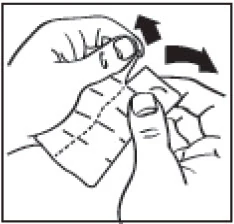
Pull apart 1 of the blister units from the blister pack by tearing along the dotted lines (Perforations) until it is fully separated
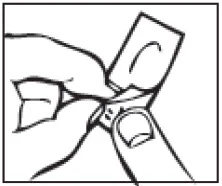
- Peel the lidding foil from "PEEL HERE" portion.
EVEROLIMUS TABLETS FOR ORAL SUSPENSION
This tablet is for oral suspension only.
TABLET MUST BE DISPERSED IN WATER.
TABLET MUST NOT BE SWALLOWED WHOLE, CHEWED OR CRUSHED.
REFER TO THE INSTRUCTIONS FOR USE FOR COMPLETE INSTRUCTIONS ON THE PREPARATION AND ADMINSTRATION OF EVEROLIMUS TABLETS FOR ORAL SUSPENSION.
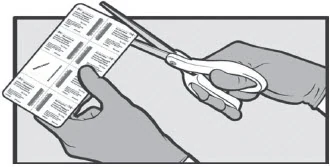
- Use scissors to open the blister card along the dotted line and remove the prescribed number of everolimus tablets for oral suspension from the blister card.
Manufactured by:
NATCO PHARMA LIMITED
Visakhapatnam - 531019
AP, India
Distributed by:
Breckenridge Pharmaceutical, Inc.
Berkeley Heights, NJ 07922
The brands listed are the trademarks or register marks of their respective owners and are not trademarks or register marks of Breckenridge Pharmaceutical, Inc.
This Patient Information has been approved by the U.S. Food and Drug Administration.
Revised: 09/2025
Instructions For Use
Everolimus (E-ver-OH-li-mus)
Tablets for Oral Suspension
Read these Instructions for Use for everolimus tablets for oral suspension before you start taking it and each time you get a refill. There may be new information. This information does not take the place of talking to your healthcare provider about your medical condition or treatment.
Important Information:
- Take everolimus tablets for oral suspension as a suspension only. Everolimus tablets for oral suspension is prepared as a suspension of undissolved medicine that is mixed with water, and then it is taken by mouth. Do not chew, crush, or swallow everolimus tablets for oral suspension whole.
- Everolimus tablets for oral suspension can cause harm to an unborn baby. When possible, the suspension should be prepared by an adult who is not pregnant or planning to become pregnant.
- Keep everolimus tablets for oral suspension and the prepared suspension out of the reach of children.
- Anyone who prepares suspensions of everolimus tablets for oral suspension for another person should wear gloves to avoid possible contact with the drug.
- Only use water with everolimus tablets for oral suspension to prepare the suspension. Do not prepare the suspension with juice or any other liquids.
- The suspension must be given right away. If you do not give the dose within 60 minutes after it has been prepared, throw away the dose and prepare a new dose of everolimus tablets for oral suspension.
- Before starting to prepare the suspension, collect all of the supplies that you will need to prepare and take the suspension. Do not use any of these supplies for purposes other than preparing and taking the everolimus tablets for oral suspension.
Supplies needed to prepare the suspension in an oral syringe:
- Blister card with everolimus tablets for oral suspension
- Scissors to open the blister card
- Disposable gloves (for one time use)
- 2 clean drinking glasses
- Approximately 30 mL of water
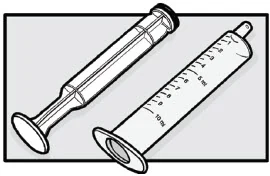
- 10 mL oral syringe (for one time use) (see Figure A)
- Paper towels
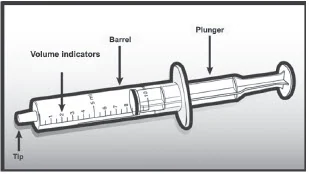 |
| Figure A |
Supplies needed to prepare the suspension in a small drinking glass:
- Blister card with everolimus tablets for oral suspension
- Scissors to open the blister card
- Disposable gloves (for one time use)
- 30 mL dose cup for measuring water (you can ask your pharmacist for this)
- 1 clean drinking glass (maximum size 100 mL)
- Water to prepare the suspension
- Spoon for stirring
- Paper towels
Preparing a dose of everolimus tablets for oral suspension using an oral syringe:
Step 1: Prepare a clean, flat work surface that is away from where you prepare and eat food. Place a clean paper towel on the work surface. Place the needed supplies on the paper towel.
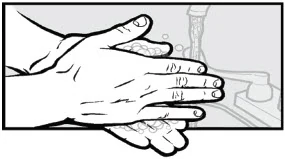
Step 2: Wash and dry your hands well before preparing the medicine (see Figure B).
 |
| Figure B |
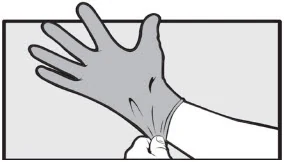
Step 3: If preparing the everolimus tablets for oral suspension for another person, put on disposable gloves (see Figure C).
 |
| Figure C |
Step 4: Take a 10 mL oral syringe and pull back on the plunger. Remove the plunger from the barrel of the syringe (see Figure D).
 |
| Figure D |
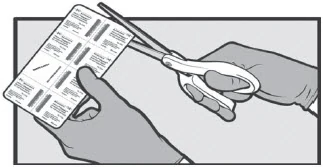
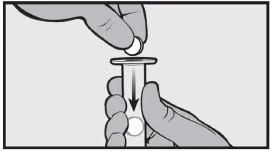
Step 5: Use scissors to open the blister card along the dotted line (see Figure E) and remove the prescribed number of everolimus tablets for oral suspension from the blister card. Place them into the barrel of the oral syringe (see Figure F).
 |
| Figure E |
 |
| Figure F |
Doses of up to 10 mg can be prepared with the oral syringe. If your total prescribed dose is more than 10 mg, you will need to split the dose. Follow steps 4 through 17 for the first half of the dose. Then repeat steps 4 through 17 for the second half of the dose. Do not prepare a dose of more than 10 mg in one syringe. Ask your pharmacist or healthcare provider if you are not sure what to do.
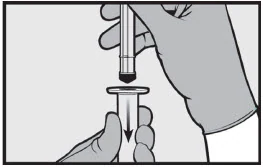
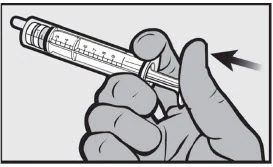
Step 6: Re-insert the plunger into the barrel of the oral syringe (see Figure G) and push the plunger in until it comes into contact with the everolimus tablets for oral suspension (see Figure H).
 |
| Figure G |
 |
| Figure H |
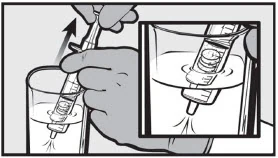
Step 7: Fill a small drinking glass with about 30 mL of water. Insert the tip of the oral syringe into the water. Then slowly pull back on the plunger until the syringe is about half full of water and all the tablets are covered by water (see Figure I).
 |
| Figure I |
Step 8: Hold the oral syringe with the tip pointing up. Pull back on the plunger to draw back about 4 mL of air (see Figure J).
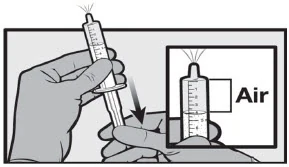 |
| Figure J |
Step 9: Place the filled oral syringe in the clean, empty glass with the tip pointing up. Wait 3 minutes to allow everolimus tablets for oral suspension to break apart (see Figure K).
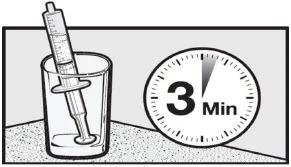 |
| Figure K |
Step 10: Slowly turn the oral syringe up and down five times just before giving the dose (see Figure L). Do not shake the syringe.
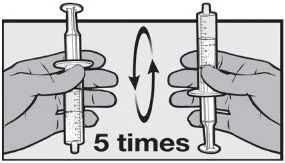 |
| Figure L |
Step 11: Hold the oral syringe in an upright position (with the tip up). Carefully remove most of the air by pushing up gently on the plunger (see Figure M).
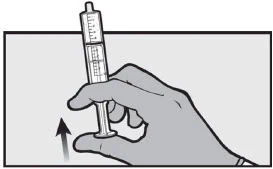 |
| Figure M |
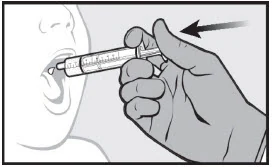
Step 12: Give the full contents of the oral syringe slowly and gently into the mouth right away, within 60 minutes of preparing it (see Figure N). Carefully remove the syringe from the mouth. Continue with steps 13 through 17 to make sure that the entire dose of medicine is given.
 |
| Figure N |
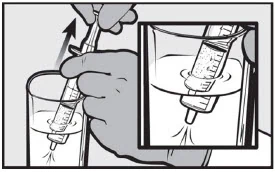
Step 13: Insert the tip of the oral syringe into the drinking glass that is filled with water, and pull up about 5 mL of water by slowly pulling back on the plunger (see Figure O).
 |
| Figure O |
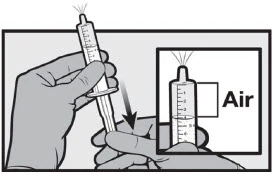
Step 14: Hold the oral syringe with the tip pointing up and use the plunger to draw back about 4 mL of air (see Figure P).
 |
| Figure P |
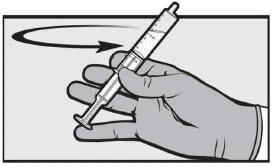
Step 15: With the tip of the syringe still pointing up, swirl the contents by gently rotating the syringe in a circular motion (see Figure Q).
 |
| Figure Q |
Step 16: Hold the oral syringe in an upright position (with the tip up). Carefully remove most of the air by pushing up gently on the plunger (see Figure R).
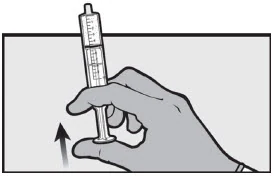 |
| Figure R |
Step 17: Give the full contents of the oral syringe slowly and gently into the mouth by pushing on the plunger (see Figure S). Carefully remove the syringe from the mouth.
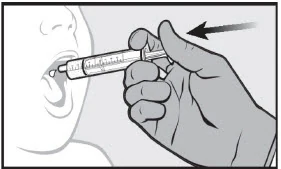 |
| Figure S |
If the total prescribed dose is more than 10 mg, repeat steps 4 through 17 to finish giving the dose.
Step 18: Throw away the oral syringe, paper towel, and used gloves in your household trash.
Step 19: Wash your hands.
Preparing a dose of everolimus tablets for oral suspension using a small drinking glass:
Step 1: Prepare a clean, flat work surface that is away from where you prepare and eat food. Place a clean paper towel on the work surface. Place the needed supplies on the paper towel.
Step 2: Wash and dry your hands before preparing the medicine (see Figure T).
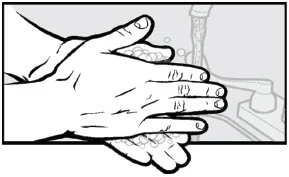 |
| Figure T |
Step 3: If preparing the everolimus tablets for oral suspension for another person, put on disposable gloves (see Figure U).
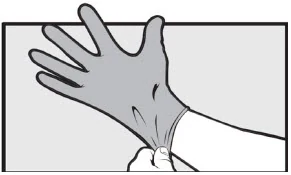 |
| Figure U |
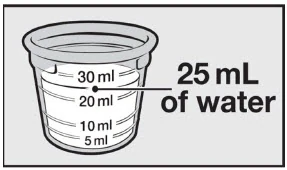
Step 4: Add about 25 mL of water to the 30 mL dose cup. The amount of water added does not need to be exact (see Figure V).
 |
| Figure V |
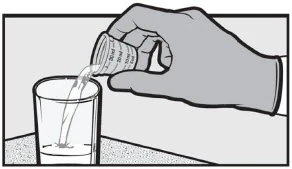
Step 5: Pour the water from the dose cup into a small drinking glass (maximum size 100 mL) (see Figure W).
 |
| Figure W |
Doses up to 10 mg can be prepared in the small drinking glass. If your total prescribed dose is more than 10 mg, you will need to split the dose.
Follow steps 4 through 10 for the first half of the dose. Then repeat steps 4 through 10 for the second half of the dose. Ask your pharmacist or healthcare provider if you are not sure what to do.
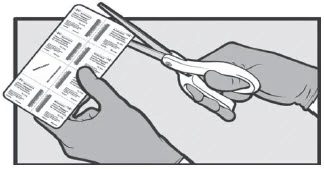
Step 6: Use scissors to open the blister card along the dotted line (see Figure X) and remove the prescribed number of everolimus tablets for oral suspension from the blister card.
 |
| Figure X |
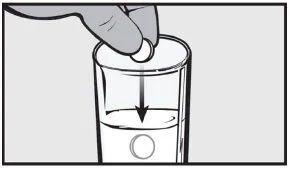
Step 7: Add the prescribed number of everolimus tablets for oral suspension into the water (see Figure Y).
 |
| Figure Y |
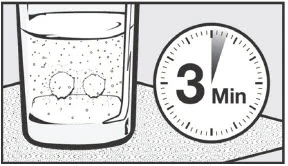
Step 8: Wait 3 minutes to allow everolimus tablets for oral suspension to break apart (see Figure Z).
 |
| Figure Z |
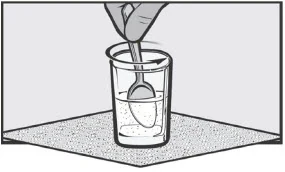
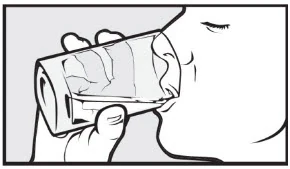
Step 9: Gently stir the contents of the glass with a spoon and place the spoon back on the paper towel (see Figure AA). Drink the full amount of the suspension right away, within 60 minutes of preparing it (see Figure BB).
 |
| Figure AA |
 |
| Figure BB |
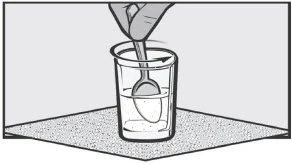
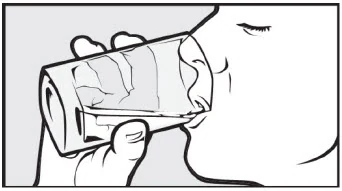
Step 10: Refill the glass with the same amount of water (about 25 mL). Stir the contents with the same spoon and place the spoon back on the paper towel (see Figure CC). Drink the full amount right away so that you take any remaining medicine (see Figure DD).
 |
| Figure CC |
 |
| Figure DD |
If your total prescribed dose is more than 10 mg, repeat steps 4 through 10 to finish taking your dose.
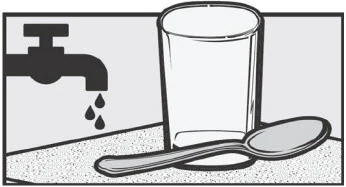
Step 11: Wash the glass and the spoon thoroughly with water. Wipe the glass and spoon with a clean paper towel and store them in a dry and clean place until your next dose of everolimus tablets for oral suspension (see Figure EE).
 |
| Figure EE |
Step 12: Throw away the used paper towel and gloves in your household trash.
Step 13: Wash your hands.
How should I store everolimus tablets for oral suspension?
- Store everolimus tablets for oral suspension at room temperature, between 68°F to 77°F (20°C to 25°C).
- Keep everolimus tablets for oral suspension in the pack it comes in.
- Open the blister pack just before taking everolimus tablets for oral suspension.
- Keep everolimus tablets for oral suspension dry and away from light.
- Do not use everolimus tablets for oral suspension that is out of date or no longer needed.
Keep everolimus tablets for oral suspension and all medicines out of the reach of children.
This Instructions for Use has been approved by the U.S. Food and Drug Administration.
Manufactured by:
Natco Pharma Limited
Visakhapatnam – 531019, India
Distributed by:
Breckenridge Pharmaceutical, Inc.
Berkeley Heights, NJ 07922
Revised: 02/2025