


Patient information: uses, side effects, how to take - Clindamycin and Benzoyl Peroxide
What is clindamycin phosphate and benzoyl peroxide gel?
Clindamycin Phosphate and Benzoyl Peroxide Gel is a prescription medicine used on the skin (topical) to treat acne vulgaris in people 12 years of age and older.
It is not known if clindamycin phosphate and benzoyl peroxide gel is safe and effective for use longer than 12 weeks.
It is not known if clindamycin phosphate and benzoyl peroxide gel is safe and effective in children under 12 years of age.
Do not use clindamycin phosphate and benzoyl peroxide gel if you have:
- had an allergic reaction to clindamycin, benzoyl peroxide, lincomycin, or any of the ingredients in clindamycin phosphate and benzoyl peroxide gel. See the end of this leaflet for a complete list of ingredients in clindamycin phosphate and benzoyl peroxide gel.
- Crohn’s disease or ulcerative colitis.
- had inflammation of the colon (colitis) or severe diarrhea with past antibiotic use.
Talk with your doctor if you are not sure if you have any of the conditions listed above.
Before using clindamycin phosphate and benzoyl peroxide gel, tell your doctor about all of your medical conditions, including if you:
- plan to have surgery. Clindamycin Phosphate and Benzoyl Peroxide Gel may affect how certain medicines work that may be given during surgery.
are pregnant or plan to become pregnant. It is not known if clindamycin phosphate and benzoyl peroxide gel will harm your unborn baby.
- are breastfeeding or plan to breastfeed. It is not known if clindamycin phosphate and benzoyl peroxide gel passes into your breast milk. Clindamycin when taken by mouth or by injection has been reported to appear in breast milk. Talk to your doctor about the best way to feed your baby during treatment with clindamycin phosphate and benzoyl peroxide gel.
Tell your doctor about all the medicines you take, including prescription and over-the-counter medicines, vitamins and herbal supplements. Clindamycin Phosphate and Benzoyl Peroxide Gel may affect the way other medicines work and other medicines may affect how clindamycin phosphate and benzoyl peroxide gel works.
- Especially tell your doctor if you take medicine by mouth that contains erythromycin or use products on your skin that contain erythromycin. Clindamycin Phosphate and Benzoyl Peroxide Gel should not be used with products that contain erythromycin.
- Tell your doctor about any skin products you use. Other skin and topical acne products may increase the irritation of your skin when used with clindamycin phosphate and benzoyl peroxide gel.
- Know the medicines you take. Keep a list of them and show it to your doctor and pharmacist when you get a new medicine.
How should I use clindamycin phosphate and benzoyl peroxide gel?
- Use clindamycin phosphate and benzoyl peroxide gel exactly as your doctor tells you to use it. See the detailed “Instructions for Use” for directions about how to apply clindamycin phosphate and benzoyl peroxide gel.
- Your doctor will tell you how long to use clindamycin phosphate and benzoyl peroxide gel.
- Apply clindamycin phosphate and benzoyl peroxide gel to your face 1 time each day.
- Before you apply clindamycin phosphate and benzoyl peroxide gel, wash your face gently with a mild soap, rinse with warm water, and pat your skin dry.
What should I avoid while using clindamycin phosphate and benzoyl peroxide gel?
- Limit your time in sunlight. You should avoid using tanning beds or sun lamps during treatment with clindamycin phosphate and benzoyl peroxide gel. If you have to be in sunlight, wear a wide-brimmed hat or other protective clothing, and use sunscreen to cover the treated areas.
- Avoid getting clindamycin phosphate and benzoyl peroxide gel in your hair or on colored fabric. Clindamycin Phosphate And Benzoyl Peroxide Gel may bleach hair or colored fabric.
What are possible side effects of clindamycin phosphate and benzoyl peroxide gel?
Clindamycin Phosphate and Benzoyl Peroxide Gel can cause serious side effects including:
- Inflammation of the colon (colitis). Stop using clindamycin phosphate and benzoyl peroxide gel and call your doctor right away if you have severe stomach (abdominal) cramps watery diarrhea, or bloody diarrhea during treatment, and within several weeks after treatment with clindamycin phosphate and benzoyl peroxide gel.
- Allergic reactions. Stop using clindamycin phosphate and benzoyl peroxide gel, call your doctor and get help right away if you have any of the following symptoms during treatment with clindamycin phosphate and benzoyl peroxide gel:
- severe itching
- swelling of your face, eyes, lips, tongue or throat
- trouble breathing
The most common side effects of clindamycin phosphate and benzoyl peroxide gel include burning sensation, skin redness or swelling, itching and rash. Stop using clindamycin phosphate and benzoyl peroxide gel and call your doctor if you have a skin rash or your skin becomes very red, itchy or swollen. Talk to your doctor about any side effect that bothers you or that does not go away.
These are not all of the possible side effects with clindamycin phosphate and benzoyl peroxide gel.
Call your doctor for medical advice about side effects. You may report side effects to FDA at 1-800-FDA-1088.
How should I store clindamycin phosphate and benzoyl peroxide gel?
- Store clindamycin phosphate and benzoyl peroxide gel at room temperature at or below 77°F (25°C).
- Do not freeze clindamycin phosphate and benzoyl peroxide gel.
- Throw away (discard) clindamycin phosphate and benzoyl peroxide gel 8 weeks after date of dispensing.
- Store pump upright.
- Keep the container tightly closed.
- Keep clindamycin phosphate and benzoyl peroxide gel and all medicines out of the reach of children.
General information about the safe and effective use of clindamycin phosphate and benzoyl peroxide gel.
Medicines are sometimes prescribed for purposes other than those listed in a Patient Information leaflet. Do not use clindamycin phosphate and benzoyl peroxide gel for a condition for which it was not prescribed. Do not give clindamycin phosphate and benzoyl peroxide gel to other people, even if they have the same condition you have. It may harm them. You can also ask your doctor or pharmacist for information about clindamycin phosphate and benzoyl peroxide gel that is written for healthcare professionals.
What are the ingredients in clindamycin phosphate and benzoyl peroxide gel?
Active Ingredients: clindamycin phosphate and benzoyl peroxide
Inactive Ingredients: carbomer 980, potassium hydroxide, propylene glycol, and purified water.
Distributed by: Oceanside Pharmaceuticals, a division of Bausch Health US, LLC, Bridgewater, NJ 08807 USA
Manufactured by: Bausch Health Companies Inc., Laval, Quebec H7L 4A8, Canada
Patented. See https://patents.ortho-dermatologics.com for US patent information.
© 2025 Bausch Health Companies Inc. or its affiliates
This Patient Information has been approved by the U.S. Food and Drug Administration.
Revised: 07/2025
90000202
INSTRUCTIONS FOR USE
Clindamycin Phosphate and Benzoyl Peroxide Gel, 1.2%/3.75%
Important Information: Clindamycin Phosphate and Benzoyl Peroxide Gel is for use on skin only (topical use). Clindamycin Phosphate and Benzoyl Peroxide Gel is not for use in your mouth, eyes or vagina.
Read this Instructions for Use before you start using clindamycin phosphate and benzoyl peroxide gel and each time you get a refill. There may be new information. This information does not take the place of talking with your doctor about your medical condition or treatment.
- Apply clindamycin phosphate and benzoyl peroxide gel to your face 1 time each day as prescribed.
- Before you apply clindamycin phosphate and benzoyl peroxide gel, wash your face gently with a mild soap, rinse with warm water, and pat your skin dry.
- To apply clindamycin phosphate and benzoyl peroxide gel to your face, use the pump to dispense one pea-sized amount of clindamycin phosphate and benzoyl peroxide gel onto your fingertip. See Figure 1.
- One pea-sized amount of clindamycin phosphate and benzoyl peroxide gel should be enough to cover your entire face.
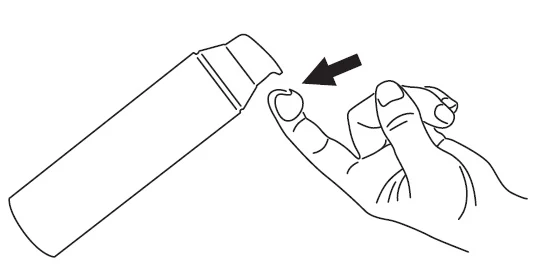
Figure 1
- Dot the one pea-sized amount of clindamycin phosphate and benzoyl peroxide gel onto six areas of your face (chin, left cheek, right cheek, nose, left forehead, right forehead). See Figure 2.
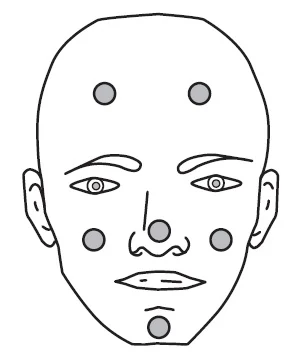
Figure 2
- Spread the gel over your face and gently rub it in. It is important to spread the gel over your entire face. If your doctor tells you to put clindamycin phosphate and benzoyl peroxide gel on other areas of your skin with acne, be sure to ask how much you should use.
- Wash your hands with soap and water after applying clindamycin phosphate and benzoyl peroxide gel.
How should I store clindamycin phosphate and benzoyl peroxide gel?
- Store clindamycin phosphate and benzoyl peroxide gel at room temperature at or below 77°F (25°C).
- Do not freeze clindamycin phosphate and benzoyl peroxide gel.
- Throw away (discard) clindamycin phosphate and benzoyl peroxide 8 weeks after date of dispensing.
- Store pump upright.
- Keep the container tightly closed
Keep clindamycin phosphate and benzoyl peroxide gel and all medicines out of the reach of children.
- Distributed by: Oceanside Pharmaceuticals, a division of Bausch Health US, LLC
- Bridgewater, NJ 08807 USA
Manufactured by: Bausch Health Companies Inc., Laval, Quebec H7L 4A8, Canada
Patented. See https://patents.ortho-dermatologics.com for US patent information.
© 2025 Bausch Health Companies Inc. or its affiliates
| This Instructions for Use has been approved by the U.S. Food and Drug Administration. | |
| Revised: July 2025 | 90000202 |