


Patient information: uses, side effects, how to take - Atoncy
What is the most important information I should know about ATONCY?
ATONCY can cause serious side effects, including:
Suicidal thoughts and actions in children 6 years of age and older.ATONCY increases the risk of suicidal thoughts and actions in children ages 6 and older with attention deficit hyperactivity disorder (ADHD), especially within the first few months of treatment or when the dose is changed.
How can I watch for and try to prevent suicidal thoughts and actions?
- Pay close attention to, and tell your healthcare provider right away about, any changes, especially sudden changes, in mood, behavior, actions, thoughts, or feelings, or suicidal thoughts or actions. This is very important when ATONCY is started or when the dose is changed.
- Keep all follow-up visits with the healthcare provider as scheduled. Tell your healthcare provider about symptoms between visits as needed, especially if you have concerns.
Tell your healthcare provider right away if any of the following symptoms develop during treatment, especially if they are new, worse, or worry you:
- anxiety
- trouble sleeping
- acting aggressive
- extreme increase in activity or talking (mania)
- unusual decrease in activity (hypomania)
- feeling agitated or restless
- irritability
- impulsivity
- depression
- panic attacks
- restlessness or feeling like you have to move
- panic attacks
- hostility or being angry or violent
- suicide attempts
- thoughts about suicide or dying
- other unusual changes in mood or behavior
See “What are the possible side effects of ATONCY?”for more information about side effects.
What is ATONCY?
ATONCY is a prescription medicine used to treat ADHD in adults and children 6 years of age and older. ATONCY may help increase attention and decrease impulsiveness and hyperactivity in people with ADHD.
ATONCY should be used as a part of a total treatment program for ADHD that may include counseling or other therapies.
It is not known if ATONCY is safe and effective in children less than 6 years old.
Who should not take ATONCY?
Do not take ATONCY if you or your child:
- are allergic to atomoxetine or any of the ingredients in ATONCY. See the end of this Medication Guide for a complete list of ingredients in ATONCY.
- are taking or have stopped taking within the past 14 days a medicine called a monoamine oxidase inhibitor (MAOI).
- have an eye problem called narrow angle glaucoma.
- have or had a rare tumor called pheochromocytoma.
- have severe heart or blood vessel problems that could get worse if your blood pressure or heart rate increases.
Before taking ATONCY, tell your healthcare provider about all medical conditions, including if you or your child:
- have, or have a family history of, suicide thoughts or attempts, bipolar disorder, depression, mania, or hypomania.
- have liver problems.
- have, or have a family history of, heart problems, heart defects, irregular heartbeat, or sudden death.
- have high blood pressure or low blood pressure.
- have problems urinating such as trouble starting urination, weak stream, or not fully emptying the bladder.
- have glaucoma.
are pregnant or plan to become pregnant. It is not known if ATONCY will harm the unborn baby.
- Tell your healthcare provider right away if you or your child become pregnant or plan to become pregnant during treatment with ATONCY.
- There is a pregnancy exposure registry for women who are exposed to ADHD medicines, including ATONCY, during pregnancy. The purpose of the registry is to collect information about the health of women exposed to ATONCY and their baby. If you or your child become pregnant during treatment with ATONCY, talk to your healthcare provider about registering with the National Pregnancy Registry of ADHD Medications at 1-866-961-2388 or visit online at https://womensmentalhealth.org/adhdmedications/ .
- are breastfeeding or plan to breastfeed. It is not known if ATONCY passes into the breast milk. Talk to your healthcare provider about the best way to feed the baby during treatment with ATONCY.
Tell your healthcare provider about all the medicines that you or your child take including prescription and over-the-counter medicines, vitamins, and herbal supplements.ATONCY and some medicines may interact with each other and cause serious side effects. Your healthcare provider will decide whether ATONCY can be taken with other medicines.
Especially tell your healthcare provider if you or your child take:
- a MAOI, including linezolid and intravenous methylene blue
- medicines that increase or decrease blood pressure
- asthma medicines
Know the medicines that you or your child take. Keep a list of your medicines with you to show your healthcare provider and pharmacist. Do not start any new medicines during treatment with ATONCY without talking to your healthcare provider first.
How should I take ATONCY?
- Take ATONCY exactly as your healthcare provider tells you. Your healthcare provider may adjust the dose until it is right for you or your child.
- See the detailed “ Instructions for Use” for more information on how to prepare and take ATONCY.
Take ATONCY with or without food.
- ATONCY is usually taken 1 time a day in the morning or 2 times a day, in the morning and in the late afternoon or early evening.
- If you miss a dose of ATONCY, take the dose as soon as possible. Do not take more ATONCY than your healthcare provider prescribes in a 24-hour period.
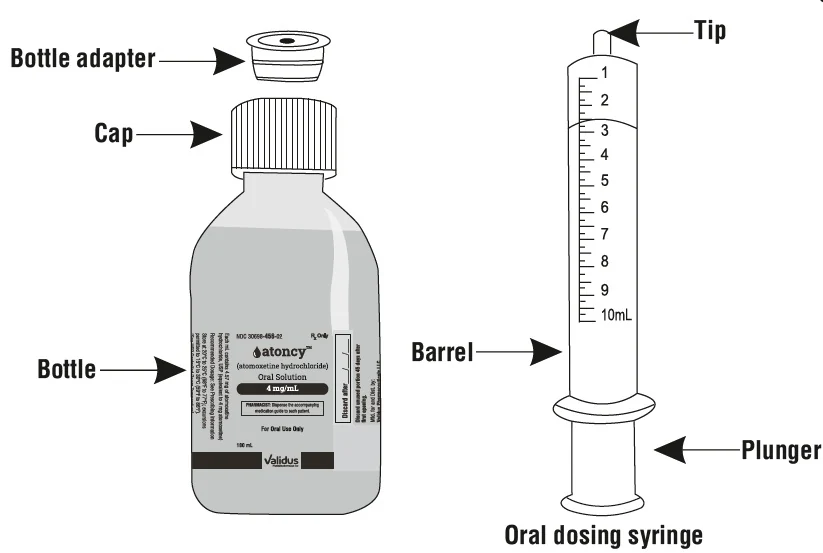
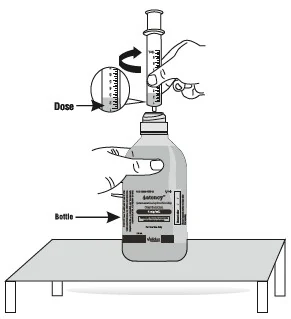
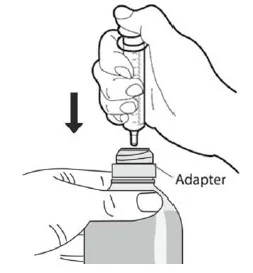
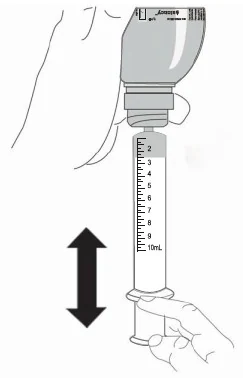
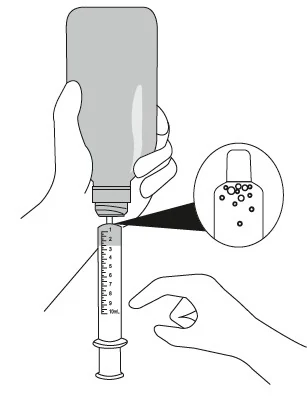
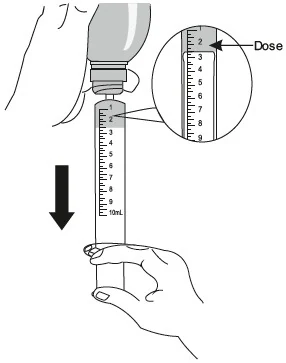
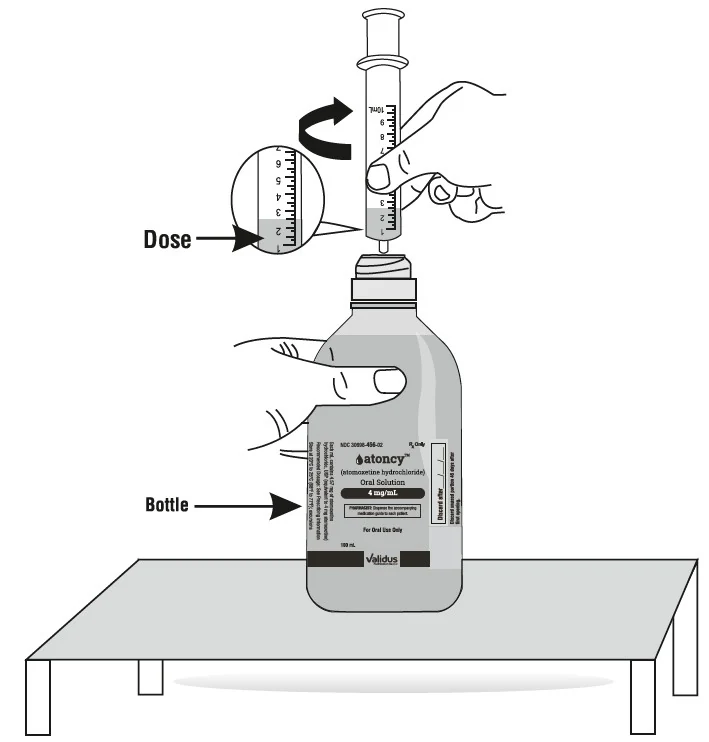
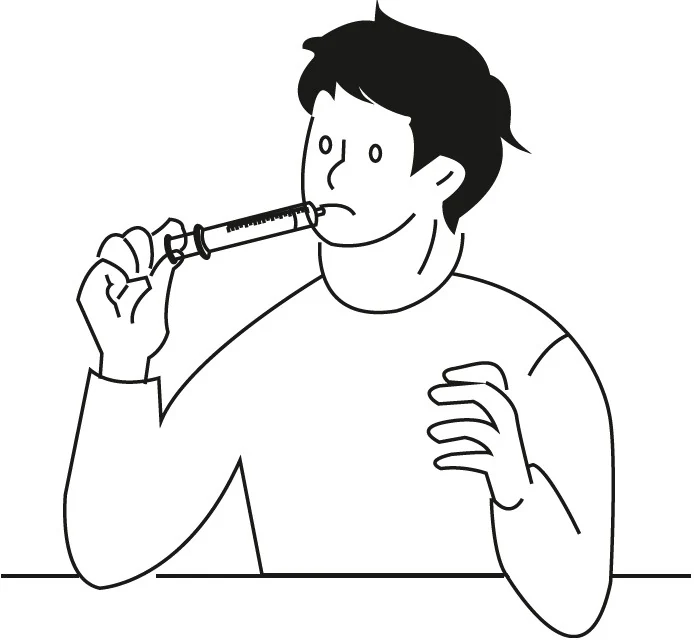
- Use only the oral dosing syringe and bottle adapter that come with ATONCY to measure and take the dose.
- If you take too much ATONCY, call your healthcare provider or Poison Help line at 1-800-222-1222 or go to the nearest emergency room right away.
What should I avoid while taking ATONCY?
- Do notdrive or operate heavy machinery until you know how ATONCY affects you. ATONCY can cause sleepiness.
- Do notget ATONCY in or near the eyes. ATONCY can irritate the eyes. If ATONCY gets into the eyes, rinse them with water right away and tell your healthcare provider. Avoid touching ATONCY. Wash your hands and any surfaces that ATONCY comes in contact with as soon as possible.
What are possible side effects of ATONCY?
ATONCYcan cause serious side effects, including:
- See “What is the most important information I should know about ATONCY?”
- Severe liver damage. Your healthcare provider will check the blood levels of liver enzymes if symptoms of liver damage develop. Tell your healthcare provider right away if any of the following symptoms develop at any time during treatment:
- itching
- the skin or the white part of the eyes turns yellow
- right upper stomach pain
- unexplained flu-like symptoms
- dark urine
- Serious heart-related side effects.ATONCY may increase the risk of serious heart problems including sudden death, heart attack, and stroke in adults and children who have serious heart problems or heart defects. Your healthcare provider should check for heart problems before starting treatment with ATONCY. Stop taking ATONCY and tell your healthcare provider or get medical help right away if any of the following symptoms develop during treatment:
- chest pain
- loss of consciousness (fainting)
- shortness of breath
- heart palpitations or fast heart rate
- numbness of weakness, especially on one side of the body
- slurred speech
- vision changes
- severe headache
- Increases in blood pressure and heart rate.Your healthcare provider should check blood pressure and heart rate before starting treatment, if the dose is increased, and as needed during treatment.
- New psychotic problems, manic symptoms, or mania episodes.People with bipolar disorder, or who have a higher risk of developing bipolar disorder, have an increased risk of developing mania. Tell your healthcare provider if any of the following symptoms develop during treatment:
- greatly increased energy
- racing thoughts
- unusually grand ideas
- talking more or faster than usual
- unusual decrease in activity
- severe trouble sleeping
- reckless behavior
- excessive happiness or irritability
- seeing or hearing things that are not real (hallucinations)
- depression
- Aggressive behavior or hostility.New or worsening aggressive behavior or hostility can happen during treatment.
- Allergic reactions.Tell your healthcare provider right away if trouble breathing, hives, rash, or swelling of the face, eyes, lips, or throat develop during treatment.
- Problems with urination.ATONCY may cause problems with urination including decreased urine flow or trouble starting urination (urinary hesitation) or being unable to pass any urine (urinary retention). Tell your healthcare provider if any problems with urination develop during treatment.
- Painful and prolonged erections (priapism).Priapism has happened in male children and adults who take atomoxetine medicines. Priapism is a serious problem that can cause lasting damage to the penis and may require surgery. Tell your healthcare provider and get medical help right away if priapism develops during treatment.
- Effect on growth (height and weight) in children.Children should have their height and weight checked often during treatment.
The most common side effects of ATONCY in children include:
- nausea
- vomiting
- tiredness
- decreased appetite
- stomach (abdominal) pain
- sleepiness
The most common side effects of ATONCY in adults include:
- constipation
- dry mouth
- nausea
- decreased appetite
- dizziness
- erectile dysfunction
- urinary hesitation
ATONCY may cause sexual problems (dysfunction).Talk to your healthcare provider if any of the following symptoms develop during treatment:
Symptoms in males may include:
- delayed ejaculation or inability to have an ejaculation
- decreased sex drive
- problems getting or keeping an erection
Symptoms in females may include:
- decreased sex drive
- delayed orgasm or inability to have an orgasm
Your healthcare provider may stop ATONCY treatment if serious side effects develop during treatment.
These are not all of the possible side effects of ATONCY. Call your doctor for medical advice about side effects. You may report side effects to FDA at 1-800-FDA-1088.
How should I store ATONCY?
- Store ATONCY at room temperature between 68°F to 77°F (20°C to 25°C).
- Throw away (discard) any unused ATONCY 45 days after first opening the bottle. Write the discard date in the space provided on the bottle and carton.
Keep ATONCY and all medicines out of the reach of children.
General information about the safe and effective use of ATONCY.
Medicines are sometimes prescribed for purposes other than those listed in a Medication Guide. Do not use ATONCY for a condition for which it was not prescribed. Do not give ATONCY to other people, even if they have the same condition. It may harm them. You can ask your pharmacist or healthcare provider for information about ATONCY that is written for health professionals.
What are the ingredients in ATONCY?
Active ingredient: atomoxetine hydrochloride
Inactive ingredients:grape flavor, maltitol solution, monobasic sodium phosphate, phosphoric acid, purified water, sodium benzoate, sodium hydroxide, sorbitol crystallizing solution, sucralose, and xylitol
Manufactured by:
Rubicon Research Limited,
Satara, 415004, India
Distributed by:
Validus Pharmaceuticals LLC
Parsippany, NJ 07054
www.validuspharma.com
For more information about ATONCY call Validus Pharmaceutical at 1-866-982-5438.
This Medication Guide has been approved by the US Food and Drug Administration. Issued: 3/2026
INSTRUCTIONS FOR USE ATONCYTM (ah TON see) (atomoxetine) oral solution | |||
This Instructions for Use contains information on how to take ATONCY. Important Information You Need to Know Before Taking ATONCY:
Storing ATONCY
| |||
| Supplies included in the ATONCY Carton | |||
 |
| ||
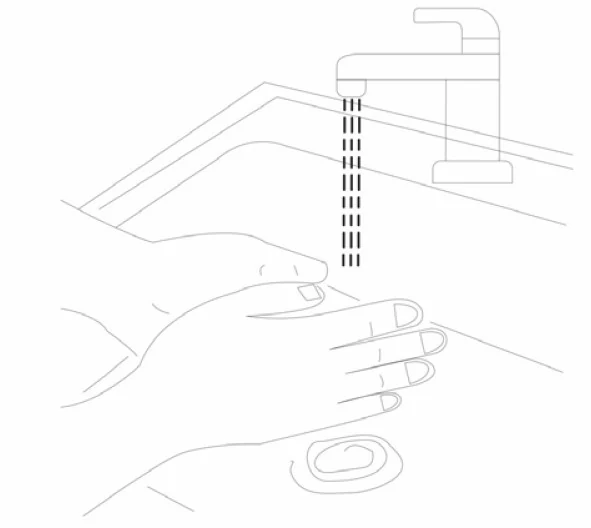
| Hand Washing | |||
 |
| ||
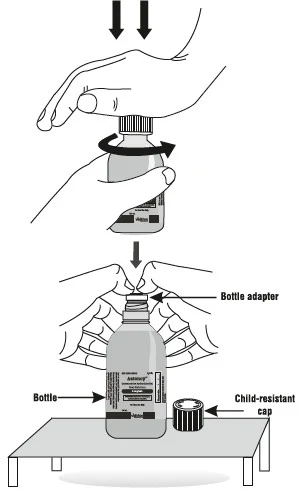
| Step 1: Preparing the Bottle | |||
 |
| ||
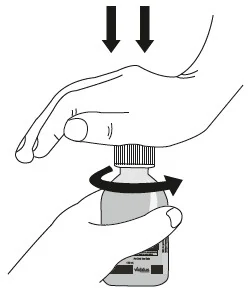
| Step 2: Measuring the Dose of ATONCY | |||
 |
| ||
  |
| ||
| Step 3: | |||
 |
| ||
| Step 4: | |||
 |
| ||
| Step 5: | |||
 |
| ||
| Step 6: | |||
 |
| ||
| Step 7: Taking the dose of ATONCY | |||
 |
| ||
Step 8: Cleaning up
Step 9: Disposing of ATONCY
Manufactured by: Rubicon Research Limited, Satara, 415004, India. Distributed by: Validus Pharmaceuticals LLC Parsippany, NJ 07054 This Instructions for Use has been approved by the U.S. Food and Drug Administration. Issued 3/2026 | |||