


Prescribing information (package insert) - Alyftrek
WARNING: DRUG-INDUCED LIVER INJURY AND LIVER FAILURE
Elevated transaminases have been observed in patients treated with ALYFTREK. Cases of serious and potentially fatal drug-induced liver injury and liver failure were reported in patients who were taking a fixed-dose combination drug containing elexacaftor, tezacaftor, and ivacaftor, which contains the same or similar active ingredients as ALYFTREK. Liver injury has been reported within the first month of therapy and up to 15 months following initiation of elexacaftor/tezacaftor/ivacaftor [see Warnings and Precautions (5.1) and Adverse Reactions (6)].
Assess liver function tests (ALT, AST, alkaline phosphatase, and bilirubin) in all patients prior to initiating ALYFTREK, every month during the first 6 months of treatment, then every 3 months for the next 12 months, then at least annually thereafter. Consider more frequent monitoring for patients with a history of liver disease or elevated liver function tests at baseline [see Dosage and Administration (2.1), Warnings and Precautions (5.1), Adverse Reactions (6), and Use in Specific Populations (8.7)].
Interrupt ALYFTREK for significant elevations in liver function tests or in the event of signs or symptoms of liver injury. Consider referral to a hepatologist. Follow patients closely with clinical and laboratory monitoring until abnormalities resolve. If abnormalities resolve, resume treatment only if the benefit is expected to outweigh the risk. Closer monitoring is advised after resuming ALYFTREK [see Warnings and Precautions (5.1)].
ALYFTREK should not be used in patients with severe hepatic impairment (Child-Pugh Class C). ALYFTREK is not recommended in patients with moderate hepatic impairment (Child-Pugh Class B) and should only be considered when there is a clear medical need, and the benefit outweighs the risk. If used, monitor patients closely [see Dosage and Administration (2.4), Warnings and Precautions (5.1), Adverse Reactions (6), Use in Specific Populations (8.7), and Clinical Pharmacology (12.3)].
1 INDICATIONS AND USAGE
ALYFTREK is indicated for the treatment of cystic fibrosis (CF) in adult and pediatric patients 6 years of age and older who have a clinical diagnosis of CF and who have at least one variant in the cystic fibrosis transmembrane conductance regulator (CFTR) gene that is either responsive based on clinical and/or in vitro data (see Table 5) or results in production of CFTR protein [see Clinical Pharmacology (12.1)].
If the patient's genotype is unknown, an FDA-cleared CF genetic test should be used to confirm the presence of at least one variant in the CFTR gene that is either responsive based on clinical and/or in vitro data or results in production of CFTR protein.
2 DOSAGE AND ADMINISTRATION
2.1 Recommended Laboratory Testing Prior to ALYFTREK Initiation and During Treatment
Prior to initiating ALYFTREK, obtain liver function tests (ALT, AST, alkaline phosphatase, and bilirubin) for all patients. Monitor liver function tests every month during the first 6 months of treatment, then every 3 months for the next 12 months, then at least annually thereafter. Consider more frequent monitoring for patients with a history of liver disease, elevated liver function tests at baseline, or a history of elevated liver function tests with drugs containing elexacaftor, tezacaftor, and/or ivacaftor [see Warnings and Precautions (5.1) and Use in Specific Populations (8.7)].
2.2 Recommended Dosage
The recommended ALYFTREK dosage in adult and pediatric patients aged 6 years and older is provided in Table 1. Administer ALYFTREK orally (swallow the tablets whole) with fat-containing food, once daily, at approximately the same time each day [see Clinical Pharmacology (12.3)]. Examples of meals or snacks that contain fat are those prepared with butter or oils or those containing eggs, peanut butter, cheeses, nuts, whole milk, or meats.
Table 1: Recommended Dosage of ALYFTREK in Adult and Pediatric Patients Aged 6 Years and Older
| Age | Weight | Once Daily Oral Dosage |
|---|---|---|
| 6 to less than 12 years old | Less than 40 kg | Three tablets of vanzacaftor 4 mg/tezacaftor 20 mg/deutivacaftor 50 mg (total dose of vanzacaftor 12 mg/tezacaftor 60 mg/ deutivacaftor 150 mg) |
| Greater than or equal to 40 kg | Two tablets of vanzacaftor 10 mg/tezacaftor 50 mg/deutivacaftor 125 mg (total dose of vanzacaftor 20 mg/tezacaftor 100 mg/ deutivacaftor 250 mg) | |
| 12 years and older | Any weight | Two tablets of vanzacaftor 10 mg/tezacaftor 50 mg/deutivacaftor 125 mg (total dose of vanzacaftor 20 mg/tezacaftor 100 mg/ deutivacaftor 250 mg) |
2.3 Dosage Modification for Strong or Moderate CYP3A Inhibitors
Table 2 describes the recommended dosage modification for ALYFTREK when used concomitantly with strong or moderate CYP3A inhibitors [see Warnings and Precautions (5.7)]. Administer ALYFTREK orally (swallow the tablets whole) with fat-containing food, once daily, at approximately the same time each day [see Clinical Pharmacology (12.3)].
Table 2: Dosage Modification for Concomitant Use of ALYFTREK with Strong or Moderate CYP3A Inhibitors in Adult and Pediatric Patients Aged 6 Years and Older
| Age | Weight | Moderate CYP3A Inhibitors | Strong CYP3A Inhibitors |
|---|---|---|---|
| 6 to less than 12 years old | Less than 40 kg | Two tablets of vanzacaftor 4 mg/tezacaftor 20 mg/deutivacaftor 50 mg every other day (total dose of vanzacaftor 8 mg/tezacaftor 40 mg/deutivacaftor 100 mg) | Two tablets of vanzacaftor 4 mg/tezacaftor 20 mg/deutivacaftor 50 mg once a week (total dose of vanzacaftor 8 mg/tezacaftor 40 mg/deutivacaftor 100 mg) |
| Greater than or equal to 40 kg | One tablet of vanzacaftor 10 mg/tezacaftor 50 mg/deutivacaftor 125 mg every other day | One tablet of vanzacaftor 10 mg/tezacaftor 50 mg/deutivacaftor 125 mg once a week | |
| 12 years and older | Any weight | One tablet of vanzacaftor 10 mg/tezacaftor 50 mg/deutivacaftor 125 mg every other day | One tablet of vanzacaftor 10 mg/tezacaftor 50 mg/deutivacaftor 125 mg once a week |
2.4 Recommended Dosage for Patients with Hepatic Impairment
- Severe Hepatic Impairment (Child-Pugh Class C): ALYFTREK should not be used in patients with severe hepatic impairment (HI) (Child-Pugh Class C).
- Moderate Hepatic Impairment (Child-Pugh Class B): The use of ALYFTREK in patients with moderate HI (Child-Pugh Class B) is not recommended. Use of ALYFTREK should only be considered in patients with moderate HI when there is a clear medical need, and the benefit outweighs the risk. If used, the recommended dosage in patients with moderate HI is the same as for patients with normal hepatic function. Liver function tests should be closely monitored [see Dosage and Administration (2.1, 2.2)].
- Mild Hepatic Impairment (Child-Pugh Class A): The recommended dosage of ALYFTREK in patients with mild HI (Child-Pugh Class A) is the same as in patients with normal hepatic function. Liver function tests should be closely monitored [see Dosage and Administration (2.1, 2.2)].
2.5 Recommendations Regarding Missed Dose(s)
If 6 hours or less have passed since the missed dose, take the missed dose as soon as possible and continue on the original schedule.
If more than 6 hours have passed since the missed dose, skip the missed dose, and continue on the original schedule the next day.
3 DOSAGE FORMS AND STRENGTHS
Tablets:
- Fixed-dose combination containing vanzacaftor 4 mg (equivalent to 4.24 mg of vanzacaftor calcium dihydrate), tezacaftor 20 mg, and deutivacaftor 50 mg. Each tablet is purple, round-shaped, film-coated, debossed with "V4" on one side and plain on the other.
- Fixed-dose combination containing vanzacaftor 10 mg (equivalent to 10.6 mg of vanzacaftor calcium dihydrate), tezacaftor 50 mg, and deutivacaftor 125 mg. Each tablet is purple, oblong-shaped, film-coated, debossed with "V10" on one side and plain on the other.
4 CONTRAINDICATIONS
None.
5 WARNINGS AND PRECAUTIONS
5.1 Drug-Induced Liver Injury and Liver Failure
Elevated transaminases have been observed in patients treated with ALYFTREK [see Adverse Reactions (6.1)]. Cases of serious and potentially fatal drug-induced liver injury and liver failure have been reported in patients with and without a history of liver disease who were taking a fixed-dose combination drug containing elexacaftor, tezacaftor, and ivacaftor (ELX/TEZ/IVA), which contains the same or similar active ingredients as ALYFTREK. Liver injury has been reported within the first month of therapy and up to 15 months following initiation of ELX/TEZ/IVA.
Assess liver function tests (ALT, AST, alkaline phosphatase, and bilirubin) in all patients prior to initiating ALYFTREK. Assess liver function tests every month during the first 6 months of treatment, then every 3 months for the next 12 months, then at least annually thereafter. Consider more frequent monitoring in patients with a history of liver disease, elevated liver function tests at baseline, or a history of elevated liver function tests with drugs containing ELX, TEZ and/or IVA. [see Dosage and Administration (2.4) and Use in Specific Populations (8.7)].
Interrupt ALYFTREK in the event of signs or symptoms of liver injury. These may include:
- Significant elevations in liver function tests (e.g., ALT or AST >5× the upper limit of normal (ULN) or ALT or AST >3× ULN with bilirubin >2× ULN)
- Clinical signs or symptoms suggestive of liver injury (e.g., jaundice, right upper quadrant pain, nausea, vomiting, altered mental status, ascites)
Consider referral to a hepatologist and follow patients closely with clinical and laboratory monitoring until abnormalities resolve. If abnormalities resolve and if the benefit is expected to outweigh the risk, resume ALYFTREK treatment with close monitoring.
ALYFTREK should not be used in patients with severe hepatic impairment (Child-Pugh Class C). ALYFTREK is not recommended in patients with moderate hepatic impairment (Child-Pugh Class B) and should only be considered when there is a clear medical need, and the benefit outweighs the risk. If used, monitor patients closely [see Dosage and Administration (2.4), Use in Specific Populations (8.7), and Clinical Pharmacology (12.3)].
5.2 Hypersensitivity Reactions, Including Anaphylaxis
Hypersensitivity reactions, including cases of anaphylaxis, have been reported in the postmarketing setting of drugs containing ELX, TEZ, and/or IVA (the same or similar active ingredients in ALYFTREK). If signs or symptoms of serious hypersensitivity reactions develop during ALYFTREK treatment, discontinue ALYFTREK and institute appropriate therapy. Consider the benefits and risks for the individual patient to determine whether to resume treatment with ALYFTREK.
5.3 Patients Who Discontinued or Interrupted Elexacaftor-, Tezacaftor-, or Ivacaftor-Containing Drugs Due to Adverse Reactions
There are no available safety data for ALYFTREK in patients who previously discontinued or interrupted treatment with drugs containing elexacaftor, tezacaftor, or ivacaftor due to adverse reactions. Consider the benefits and risks before using ALYFTREK in these patients. If ALYFTREK is used in these patients, closely monitor for adverse reactions as clinically appropriate.
5.4 Intracranial Hypertension
Cases of intracranial hypertension (IH) have been reported in the postmarketing setting with the use of drugs containing the same or similar active ingredients as ALYFTREK [see Adverse Reactions (6.2)]. Clinical manifestations of IH include headache, blurred vision, diplopia, and potential vision loss; papilledema can be found on fundoscopy. If an unusual headache or visual disturbances occur during treatment, and IH is suspected, interrupt ALYFTREK and refer for prompt medical evaluation. Consider the benefits and risks for the individual patient to determine whether to resume treatment with ALYFTREK. Patients should be monitored until IH resolution and for recurrence. Patients with elevated vitamin A levels may be at increased risk.
5.5 Neuropsychiatric Events, Including Suicidal Thoughts and Behaviors
Serious neuropsychiatric events, including symptoms of anxiety, depression, suicidal ideation and behavior, and sleep disturbances, have been reported in the postmarketing setting in patients taking ALYFTREK or drugs containing the same or similar active ingredients [see Adverse Reactions (6.2)]. The events were reported in adult and pediatric patients with and without a previous history of neuropsychiatric symptoms. Symptoms may occur within the first three months of treatment initiation.
Assess patients for baseline neuropsychiatric symptoms and monitor for new or worsening symptoms of anxiety, depression, suicidal ideation or behavior, or sleep disturbances. Consider the benefits and risks for the individual patient to determine if therapy with ALYFTREK should be interrupted at the occurrence of neuropsychiatric symptoms and whether to resume therapy with symptom improvement.
5.6 Reduced Effectiveness with Concomitant Use with CYP3A Inducers
Following concomitant use of strong or moderate CYP3A inducers with ALYFTREK, exposures of vanzacaftor, tezacaftor, and deutivacaftor were decreased, which may reduce ALYFTREK effectiveness. Concomitant use with strong or moderate CYP3A inducers is not recommended [see Drug Interactions (7.1)].
5.7 Adverse Reactions with Concomitant Use with CYP3A Inhibitors
Following concomitant use of strong or moderate CYP3A inhibitors with ALYFTREK, exposures of vanzacaftor, tezacaftor, and deutivacaftor were increased, which may increase the risk of ALYFTREK-associated adverse reactions. Reduce the ALYFTREK dosage with concomitant use of strong or moderate CYP3A inhibitors [see Dosage and Administration (2.3) and Drug Interactions (7.1)].
5.8 Cataracts
Cases of non-congenital lens opacities have been reported in pediatric patients treated with drugs containing ivacaftor (which is similar to an active ingredient in ALYFTREK). Although other risk factors were present (such as corticosteroid use, exposure to radiation) in some cases, a possible risk attributable to ivacaftor treatment cannot be excluded. Baseline and follow-up ophthalmological examinations are recommended in pediatric patients treated with ALYFTREK [see Use in Specific Populations (8.4)].
6 ADVERSE REACTIONS
The following clinically significant adverse reactions are discussed in greater detail in other sections of the labeling:
- Drug-Induced Liver Injury and Liver Failure [see Warnings and Precautions (5.1)]
- Hypersensitivity Reactions, Including Anaphylaxis [see Warnings and Precautions (5.2)]
- Patients Who Discontinued or Interrupted Elexacaftor-, Tezacaftor-, or Ivacaftor-Containing Drugs Due to Adverse Reactions [see Warnings and Precautions (5.3)]
- Intracranial Hypertension [see Warnings and Precautions (5.4)]
- Neuropsychiatric Events, Including Suicidal Thoughts and Behaviors [see Warnings and Precautions (5.5)]
- Cataracts [see Warnings and Precautions (5.8)]
6.1 Clinical Trials Experience
Because clinical trials are conducted under widely varying conditions, adverse reaction rates observed in the clinical trials of a drug cannot be directly compared to rates in the clinical trials of another drug and may not reflect the rates observed in clinical practice.
The adverse reactions data below are from clinical trials of ALYFTREK in patients 6 years of age and older with CF with at least one responsive CFTR variant who were able to tolerate ELX/TEZ/IVA. Adverse reactions data in patients who previously discontinued or interrupted ELX/TEZ/IVA due to adverse reactions are not available.
Adverse Reactions in Patients Aged 12 Years and Older with CF
The safety of ALYFTREK is based on 480 patients with CF aged 12 years and older who have at least one F508del variant or another responsive variant in the CFTR gene in two, 52-week, active-controlled trials (Trials 1 and 2) [see Clinical Studies (14)]. In both trials, patients received a fixed-dose combination drug containing elexacaftor, tezacaftor, and ivacaftor (ELX/TEZ/IVA) in a 4-week run-in period and then were subsequently randomized to continue ELX/TEZ/IVA (elexacaftor 200 mg/tezacaftor 100 mg/ivacaftor 150 mg in the morning and ivacaftor 150 mg in the evening) or receive ALYFTREK (vanzacaftor 20 mg/tezacaftor 100 mg/deutivacaftor 250 mg) once daily. Patients with a history of prior intolerance to ELX/TEZ/IVA (i.e., patients who discontinued or interrupted treatment due to adverse reactions) were excluded. Trials 1 and 2 were not designed to evaluate meaningful comparisons of the incidence of adverse reactions between the ALYFTREK and ELX/TEZ/IVA treatment groups. For additional information regarding ELX/TEZ/IVA adverse reactions, refer to ELX/TEZ/IVA Prescribing Information.
In Trial 1 and Trial 2 combined, the proportion of patients who discontinued treatment prematurely due to adverse reactions were 3.8% and 3.7% in ALYFTREK and ELX/TEZ/IVA treatment groups, respectively.
Serious adverse reactions that occurred more frequently with ALYFTREK treatment than with ELX/TEZ/IVA treatment that occurred in 2 or more patients (≥0.4%) were influenza (1.5%), increased AST (0.4%), increased GGT (0.4%), depression (0.4%), and syncope (0.4%).
Table 3: Adverse Reactions Occurring in ≥5% of ALYFTREK-Treated Patients and ≥1% Higher than ELX/TEZ/IVA-Treated Patients Aged 12 Years and Older with CF Who Had at Least One F508del Variant or Responsive Variant in the CFTR Gene (Trials 1 and 2)
| Adverse Reactions | ALYFTREK N=480 | ELX/TEZ/IVA N=491 |
|---|---|---|
| Abbreviations: ALT, alanine aminotransferase; AST, aspartate aminotransferase; ELX, elexacaftor; IVA, ivacaftor; TEZ, tezacaftor | ||
| CoughCough is composed of several similar terms including productive cough. | 120 (25%) | 116 (24%) |
| Nasopharyngitis | 102 (21%) | 95 (19%) |
| Upper respiratory tract infectionUpper respiratory tract infection is composed of several similar terms including viral upper respiratory tract infection. | 101 (21%) | 97 (20%) |
| Headache | 76 (16%) | 63 (13%) |
| Oropharyngeal pain | 69 (14%) | 60 (12%) |
| Influenza | 52 (11%) | 26 (5%) |
| Fatigue | 51 (11%) | 46 (9%) |
| ALT increased | 38 (8%) | 29 (6%) |
| Rash | 37 (8%) | 22 (4%) |
| AST increased | 33 (7%) | 27 (5%) |
| Sinus congestion | 32 (7%) | 15 (3%) |
Adverse events that occurred in ≥5% of ELX/TEZ/IVA-treated patients at a similar or higher incidence than the ALYFTREK-treated patients included: infective pulmonary exacerbation of CF, COVID-19, diarrhea, abdominal pain, pyrexia, nasal congestion, increased sputum, increased blood creatinine phosphokinase, rhinorrhea, hemoptysis, nausea, back pain, arthralgia, constipation, sinusitis, dyspnea, and vomiting.
Liver Function Test Elevations
The incidence of adverse reactions of transaminase elevations was 9% in ALYFTREK-treated patients and 7.1% in ELX/TEZ/IVA-treated patients in Trials 1 and 2. In these trials, 1.5% of ALYFTREK-treated patients and 0.6% of ELX/TEZ/IVA-treated patients discontinued treatment for elevated transaminases. Table 4 shows the incidence of maximum transaminase (ALT or AST) elevations in Trials 1 and 2.
Table 4: Number and Incidence of Maximum Transaminase Elevation in Patients Aged 12 Years and Older with CF Who Had at Least One F508del Variant or Responsive Variant in the CFTR Gene (Trials 1 and 2)
| Maximum ALT or AST Elevation | ALYFTREK N=480 | ELX/TEZ/IVATrials 1 and 2 were not designed to evaluate meaningful comparisons of safety between the ALYFTREK and ELX/TEZ/IVA treatment groups. For additional information regarding ELX/TEZ/IVA transaminase elevations, refer to ELX/TEZ/IVA Prescribing Information. N=491 |
|---|---|---|
| Abbreviations: ALT: alanine aminotransferase; AST, aspartate aminotransferase; ELX, elexacaftor; IVA, ivacaftor; TEZ, tezacaftor. | ||
| >3× ULN | 29 (6%) | 15 (3.1%) |
| >5× ULN | 12 (2.5%) | 6 (1.2%) |
| >8× ULN | 6 (1.3%) | 1 (0.2%) |
Rash
In Trials 1 and 2, the incidence of rash (e.g., rash, rash pruritic) was 11% in ALYFTREK-treated patients and 7.7% in ELX/TEZ/IVA-treated patients. The rashes were generally mild to moderate in severity. The incidence of rash was 9.4% in males and 13% in females with ALYFTREK treatment and 7.6% in males and 7.9% in females with ELX/TEZ/IVA treatment. A role of hormonal contraceptives in the occurrence of rash cannot be excluded [see Drug Interactions (7.3)].
Increased Creatine Phosphokinase
In Trials 1 and 2, the incidence of maximum creatine phosphokinase >5× the ULN was 7.9% with ALYFTREK treatment and 6.5% with ELX/TEZ/IVA treatment. Discontinuation due to increased creatinine phosphokinase was 0.2% for ALYFTREK-treated patients and 0.2% for ELX/TEZ/IVA-treated patients. Cases of rhabdomyolysis without renal involvement have been reported in patients who had recently exercised taking a fixed-dose combination drug containing ELX/TEZ/IVA (the same or similar active ingredients as ALYFTREK).
Increased Blood Pressure
Elevations in mean systolic and diastolic blood pressure have been reported in patients taking a fixed-dose combination drug containing ELX/TEZ/IVA (the same or similar active ingredients as ALYFTREK). The proportion of patients who had systolic blood pressure >140 mmHg and >10 mmHg increase from baseline on at least two occasions was 3.5% in ALYFTREK-treated patients and 3.3% in ELX/TEZ/IVA-treated patients. The proportion of patients who had diastolic blood pressure >90 mmHg and >5 mmHg increase from baseline on at least two occasions was 1.7% in ALYFTREK-treated patients and 1.8% in ELX/TEZ/IVA-treated patients. The mean systolic and diastolic blood pressures remained in the normal range from both ALYFTREK and ELX/TEZ/IVA treatment arms.
Adverse Reactions in Pediatric Patients Aged 6 to Less Than 12 Years with CF
A 24-week, open-label trial of ALYFTREK was conducted in 78 patients with CF aged 6 to less than 12 years with at least one variant responsive to ELX/TEZ/IVA (Trial 3). In Trial 3, patients who weighed less than 40 kg received ALYFTREK (vanzacaftor 12 mg/tezacaftor 60 mg/deutivacaftor 150 mg once daily) and patients who weighed 40 kg or more received ALYFTREK (vanzacaftor 20 mg/tezacaftor 100 mg/deutivacaftor 250 mg once daily). Adverse reactions for these patients were generally similar to those reported in Trial 1 and Trial 2. In Trial 3, the incidence of maximum transaminase (ALT or AST) >3×, >5×, and >8× ULN were 3.8%, 1.3%, and 0%, respectively.
6.2 Postmarketing Experience
The following adverse reactions have been identified during postapproval use of ALYFTREK or drugs containing the same or similar active ingredients as ALYFTREK. Because these reactions are reported voluntarily from a population of uncertain size, it is not always possible to reliably estimate their frequency or establish a causal relationship to drug exposure.
Nervous System Disorders: intracranial hypertension
Psychiatric Disorders: anxiety, depression, suicidal ideation and behavior, insomnia
7 DRUG INTERACTIONS
7.1 Effect of Other Drugs and Grapefruit on ALYFTREK
Strong or Moderate CYP3A Inducers
Concomitant use of ALYFTREK with strong or moderate CYP3A inducers is not recommended.
Vanzacaftor, tezacaftor, and deutivacaftor are substrates of CYP3A. Concomitant use of ALYFTREK with a strong or moderate CYP3A inducer decreases vanzacaftor, tezacaftor, and deutivacaftor exposure [see Clinical Pharmacology (12.3)] which may reduce ALYFTREK effectiveness [see Warnings and Precautions (5.6)].
Strong or Moderate CYP3A Inhibitors
Reduce the ALYFTREK dosage when used concomitantly with a strong or moderate CYP3A inhibitor [see Dosage and Administration (2.3)].
Vanzacaftor, tezacaftor, and deutivacaftor are CYP3A substrates. Concomitant use with a strong CYP3A inhibitor increases vanzacaftor, tezacaftor, and deutivacaftor exposure [see Clinical Pharmacology (12.3)], which may increase the risk of ALYFTREK adverse reactions [see Warnings and Precautions (5.7)]. Concomitant use with a moderate CYP3A inhibitor is predicted to increase vanzacaftor, tezacaftor, and deutivacaftor exposure [see Clinical Pharmacology (12.3)], which may increase the risk of ALYFTREK adverse reactions [see Warnings and Precautions (5.7)].
Grapefruit
Food or drink containing grapefruit should be avoided during treatment with ALYFTREK. Concomitant use of ALYFTREK with grapefruit juice which contains one or more components that moderately inhibit CYP3A may increase exposure of vanzacaftor, tezacaftor and deutivacaftor.
7.2 Effect of ALYFTREK on Other Drugs
P-glycoprotein (P-gp) Substrates
Unless otherwise recommended in the P-gp substrate Prescribing Information, monitor more frequently for adverse reactions with concomitant use of ALYFTREK with P-gp substrates where minimal concentration changes may lead to serious adverse reactions related to P-gp substrates.
Tezacaftor and deutivacaftor (components of ALYFTREK) are P-gp inhibitors. Administration of tezacaftor/ivacaftor increases exposure of P-gp substrates [see Clinical Pharmacology (12.3)], which may increase the risk of adverse reactions related to these substrates.
Breast Cancer Resistance Protein (BCRP) Substrates
Unless otherwise recommended in the BCRP substrate Prescribing Information, monitor more frequently for adverse reactions with concomitant use of ALYFTREK with BCRP substrates where minimal concentration changes may lead to serious adverse reactions related to BCRP substrates.
Vanzacaftor (VNZ) and deutivacaftor (D-IVA) (components of ALYFTREK) are inhibitors of BCRP in vitro. Concomitant use of ALYFTREK with BCRP substrates may increase exposure of these substrates; however, this has not been studied clinically [see Clinical Pharmacology (12.3)].
CYP2C9 Substrates
Use caution when ALYFTREK is used concomitantly with CYP2C9 substrates. Monitor the international normalized ratio (INR) more frequently with concomitant use of ALYFTREK with warfarin.
This recommendation is based upon a mechanistic understanding of deutivacaftor pharmacokinetics (it is an inhibitor of CYP2C9 in vitro) [see Clinical Pharmacology (12.3)]. Concomitant use of ALYFTREK with CYP2C9 substrates may increase exposure of these substrates; however, this has not been studied clinically.
7.3 Drugs with No Clinically Significant Interactions with ALYFTREK
Ciprofloxacin
No clinically relevant effect on the exposure of tezacaftor was observed when tezacaftor/ivacaftor was used concomitantly with ciprofloxacin [see Clinical Pharmacology (12.3)].
Hormonal Contraceptives
No clinically significant differences in the pharmacokinetics of ethinyl estradiol/norethindrone containing hormonal contraceptives were observed when used concomitantly with tezacaftor in combination with ivacaftor and ivacaftor alone [see Clinical Pharmacology (12.3)]. No clinically significant differences in the pharmacokinetics of ethinyl estradiol/norethindrone containing hormonal contraceptives are expected when used in combination with ALYFTREK based upon a mechanistic understanding of vanzacaftor, tezacaftor, and deutivacaftor pharmacokinetics [see Clinical Pharmacology (12.3)]; however, this has not been studied clinically.
A role for hormonal contraceptives contributing to rash cannot be excluded [see Adverse Reactions (6.1)]. For patients with CF taking hormonal contraceptives who develop rash, consider interrupting ALYFTREK and hormonal contraceptives. Following the resolution of rash, consider resuming ALYFTREK without the hormonal contraceptives. If rash does not recur, resumption of hormonal contraceptives can be considered.
8 USE IN SPECIFIC POPULATIONS
8.1 Pregnancy
Risk Summary
There are no available data on ALYFTREK use in pregnant women to evaluate for a drug-associated risk of major birth defects, miscarriage, or other adverse maternal or fetal outcomes. Although there are no animal reproduction studies with the concomitant administration of vanzacaftor, tezacaftor, and deutivacaftor, separate reproductive and developmental studies were conducted with vanzacaftor and tezacaftor in pregnant rats and rabbits. Deutivacaftor is a deuterated isotopologue of ivacaftor with a toxicity profile similar to ivacaftor. Reproductive and development studies were conducted with ivacaftor in pregnant rats and rabbits.
In animal embryo fetal development (EFD) studies, oral administration of vanzacaftor to pregnant rats and rabbits during organogenesis demonstrated no adverse developmental effects at doses that produced maternal exposures up to approximately 30 times the exposure at the maximum recommended human dose (MRHD) in rats and 22 times the MRHD in rabbits. Oral administration of tezacaftor to pregnant rats and rabbits during organogenesis demonstrated no adverse developmental effects at doses that produced maternal exposures up to approximately 3 times the exposure at the MRHD in rats and 0.2 times the MRHD in rabbits (based on summed AUCs of tezacaftor and the metabolite M1-TEZ). Oral administration of ivacaftor to pregnant rats and rabbits during organogenesis demonstrated no adverse developmental effects at doses that produced maternal exposures up to approximately 8 and 9 times the exposure at the MRHD, respectively (based on AUC of ivacaftor for rats and rabbits). No adverse developmental effects were observed after oral administration of vanzacaftor, tezacaftor, or ivacaftor to pregnant rats from the period of organogenesis through lactation at doses that produced maternal exposures approximately 18 times, 1 time, and 8 times the exposures at the MRHD, respectively (based on AUCs of vanzacaftor, tezacaftor and M1-TEZ, and ivacaftor) (see Data ).
The estimated background risk of major birth defects and miscarriage for the indicated population is unknown. All pregnancies have a background risk of birth defect, loss, or other adverse outcomes. In the U.S. general population, the estimated background risk of major birth defects and miscarriage in clinically recognized pregnancies is 2% to 4% and 15% to 20%, respectively.
Data
Animal Data
Vanzacaftor: In an EFD study, pregnant rats were administered vanzacaftor at oral doses of 2.5, 5, and 10 mg/kg/day during the period of organogenesis from gestation Days 6-17. Vanzacaftor did not cause adverse effects to the fetus at exposures up to 30 times the MRHD (based on AUC for vanzacaftor at maternal doses up to 10 mg/kg/day). In an EFD study, pregnant rabbits were administered vanzacaftor at oral doses of 10, 40, and 70 mg/kg/day during the period of organogenesis from gestation Days 7-20. Vanzacaftor did not cause adverse effects to the fetus at exposures up to 22 times the MRHD (based on AUC of vanzacaftor at maternal doses up to 40 mg/kg/day). The high dose of 70 mg/kg/day (71 times the exposure at the MRHD) produced maternal toxicity (i.e., mortality, abortion, decreased mean body weight or body weight gains) and was associated with findings of increased post-implantation loss, decreased live fetuses, decreased fetal body weight, and increased kidney malformations. In a pre- and postnatal development (PPND) study in pregnant rats administered vanzacaftor at oral doses of 2.5, 5, and 10 mg/kg/day from gestation Day 6 through lactation Day 18, vanzacaftor did not cause adverse developmental effects in pups at maternal doses up to 10 mg/kg/day (approximately 18 times the exposure at the MRHD). Placental transfer of vanzacaftor was observed in pregnant rats.
Tezacaftor: In an EFD study, pregnant rats were administered tezacaftor at oral doses of 25, 50, and 100 mg/kg/day during the period of organogenesis from gestation Days 6-17. Tezacaftor did not cause adverse effects to the fetus at exposures up to 3 times the MRHD (based on summed AUCs of tezacaftor and M1-TEZ). Maternal toxicity in rats was observed at ≥50 mg/kg/day (approximately ≥1 time the MRHD). In an EFD study, pregnant rabbits were administered tezacaftor at oral doses of 10, 25, and 50 mg/kg/day during the period of organogenesis from gestation Days 7-20. Tezacaftor did not cause adverse effects to the fetus at exposures up to 0.2 times the MRHD (based on summed AUCs of tezacaftor and M1-TEZ). Lower fetal body weights were observed in rabbits at a maternally toxic dose that produced exposures approximately 1 time the MRHD (based on summed AUCs of tezacaftor and M1-TEZ at a maternal dose of 50 mg/kg/day). In a PPND study, pregnant rats were administered tezacaftor at oral doses of 25, 50, and 100 mg/kg/day from gestation Day 6 through lactation Day 18. Tezacaftor had no adverse developmental effects on pups at an exposure of approximately 1 time the MRHD (based on summed AUCs for tezacaftor and M1-TEZ at a maternal dose of 25 mg/kg/day). Decreased fetal body weights and early developmental delays in pinna detachment, eye opening, and righting reflex occurred at a maternally toxic dose (based on maternal weight loss) that produced exposures approximately 2 times the exposure at the MRHD (based on summed AUCs for tezacaftor and M1-TEZ). Placental transfer of tezacaftor was observed in pregnant rats.
Deutivacaftor: Animal reproduction studies have not been conducted with deutivacaftor. However, as a deuterated isotopologue of ivacaftor with a toxicity profile similar to ivacaftor based on a 13-week single-agent repeat dose toxicity study, the reproductive and developmental toxicity data from ivacaftor can inform the developmental and reproductive risks associated with deutivacaftor.
In an EFD study, pregnant rats were administered ivacaftor at oral doses of 50, 100, and 200 mg/kg/day during the period of organogenesis from gestation Days 7-17. Ivacaftor did not cause adverse effects to the fetus at exposures up to 8 times the MRHD for deutivacaftor (based on AUC of ivacaftor in animal studies up to 200 mg/kg/day). In an EFD study, pregnant rabbits were administered ivacaftor at oral doses of 25, 50, and 100 mg/kg/day during the period of organogenesis from gestation Days 7-19. Ivacaftor did not cause adverse effects to the fetus at exposures up to 9 times the MRHD for deutivacaftor (based on AUC of ivacaftor in animal studies). Maternal toxicity (i.e., death, decreased food consumption, decreased mean body weight and body weight gain, decreased clinical condition, abortions) was observed at doses greater than or equal to 50 mg/kg/day (approximately 3 times the MRHD). In a PPND study, pregnant rats were administered ivacaftor at oral doses of 50, 100, and 200 mg/kg/day from gestation Day 7 through lactation Day 20. Ivacaftor had no effects on delivery or growth and development of offspring at exposures up to 8 times the MRHD (based on AUC for ivacaftor at maternal oral doses up to 100 mg/kg/day). Decreased fetal body weights were observed at a maternally toxic dose (200 mg/kg/day, 13 times the exposure at MHRD). Placental transfer of ivacaftor was observed in pregnant rats and rabbits.
8.2 Lactation
Risk Summary
There are no data on the presence of vanzacaftor, tezacaftor, or deutivacaftor or their metabolites in human milk, the effects on the breastfed infant, or the effects on milk production.
Vanzacaftor and tezacaftor are excreted into the milk of lactating female rats. Deutivacaftor has not been evaluated; however, ivacaftor is excreted into the milk of lactating female rats (see Data ). When a drug is present in animal milk, it is likely that the drug will be present in human milk. The developmental and health benefits of breastfeeding should be considered along with the mother's clinical need for ALYFTREK and any potential adverse effects on the breastfed child from ALYFTREK or from the underlying maternal condition.
Data
The concentration of vanzacaftor, tezacaftor, or deutivacaftor in animal milk does not necessarily predict the concentration of drug in human milk.
Vanzacaftor: Lacteal excretion of vanzacaftor in rats was demonstrated following a single oral dose (10 mg/kg) of 14C-vanzacaftor administered 6 to 10 days postpartum to lactating dams. Exposure of 14C-vanzacaftor in milk was approximately 0.2 times the value observed in plasma (based on AUC0-72h).
Tezacaftor: Lacteal excretion of tezacaftor in rats was demonstrated following a single oral dose (30 mg/kg) of 14C-tezacaftor administered 6 to 10 days postpartum to lactating dams. Exposure of 14C-tezacaftor in milk was approximately 3.0 times higher than in plasma (based on AUC0-72h).
Deutivacaftor: Deutivacaftor has not been evaluated; however, ivacaftor is excreted into the milk of lactating female rats. Lacteal excretion of ivacaftor in rats was demonstrated following a single oral dose (100 mg/kg) of 14C-ivacaftor administered 9 to 10 days postpartum to lactating dams. Exposure of 14C-ivacaftor in milk was approximately 1.5 times higher than in plasma (based on AUC0-24h).
8.4 Pediatric Use
The safety and effectiveness of ALYFTREK for the treatment of CF have been established in pediatric patients aged 6 years and older who have a clinical diagnosis of CF and who have at least one variant in the CFTR gene that is either responsive based on clinical and/or in vitro data or results in production of CFTR protein. Use of ALYFTREK for this indication was supported by evidence from two adequate and well-controlled trials (Trials 1 and 2) in patients with CF aged 12 years and older who had at least one F508del variant or another responsive variant in the CFTR gene and additional pharmacokinetic and safety data in pediatric patients with CF aged 6 to less than 12 years who had at least one F508del variant or another responsive variant in the CFTR gene (Trial 3). In these trials, a total of 145 patients with CF aged 6 to less than 18 years received ALYFTREK including:
- In Trial 1, 26 adolescents aged 12 to less than 18 years who were heterozygous for F508del and a CFTR variant that is not responsive to ivacaftor or tezacaftor/ivacaftor (minimal function variant) [see Adverse Reactions (6.1) and Clinical Studies (14)].
- In Trial 2, 41 adolescents aged 12 to less than 18 years who were homozygous for F508del variant, heterozygous for F508del variant and either a gating or a residual function variant, or with at least one variant responsive to ELX/TEZ/IVA with no F508del variant [see Adverse Reactions (6.1) and Clinical Studies (14)].
- In Trial 3, 78 pediatric patients with CF aged 6 to less than 12 years (mean age 9.1 years) with at least one variant that is responsive to ELX/TEZ/IVA [see Adverse Reactions (6.1)]. In Trial 3, patients who weighed less than 40 kg patients received ALYFTREK (vanzacaftor 12 mg/tezacaftor 60 mg/deutivacaftor 150 mg once daily) and patients who weighed 40 kg or more received ALYFTREK (vanzacaftor 20 mg/tezacaftor 100 mg/deutivacaftor 250 mg once daily).
The efficacy of ALYFTREK in patients aged 6 to less than 12 years for this indication was extrapolated from patients aged 12 years and older with support from population pharmacokinetic analyses showing vanzacaftor, tezacaftor, and deutivacaftor exposure levels in patients aged 6 to less than 12 years to be within the range of exposures observed in patients aged 12 years and older [see Clinical Pharmacology (12.3)].
Safety of ALYFTREK in patients aged 6 to less than 12 years for this indication was based on Trial 3. The overall safety profile of patients in Trial 3 was generally similar to the safety data in adult and pediatric patients 12 years of age and older observed in Trials 1 and 2 [see Adverse Reactions (6.1)].
There is a risk of cataracts in pediatric patients treated with ALYFTREK. Perform baseline and follow-up ophthalmological examination in pediatric patients prior to and during treatment with ALYFTREK [see Warnings and Precautions (5.8)].
The safety and effectiveness of ALYFTREK in patients younger than 6 years of age have not been established.
Juvenile Animal Toxicity Data
Findings of cataracts were observed in juvenile rats dosed from postnatal Day 7 through 35 with ivacaftor dose levels of 10 mg/kg/day and higher (0.21 times the MRHD based on systemic exposure of ivacaftor and its metabolites). This finding has not been observed in older animals [see Warnings and Precautions (5.8)].
Studies were conducted with tezacaftor in juvenile rats starting at postnatal day (PND) 21 and ranging up to PNDs 35 to 49. Findings of convulsions and death were observed in juvenile rats that received a tezacaftor dose level of 100 mg/kg/day (approximately equivalent to 1.9 times the MRHD based on summed AUCs of tezacaftor and its metabolite, M1-TEZ). A no effect dose level was identified at 30 mg/kg/day (approximately equivalent to 0.8 times the MRHD based on summed AUCs of tezacaftor and its metabolite, M1-TEZ). Findings were dose related and generally more severe when dosing with tezacaftor was initiated earlier in the postnatal period (PND 7, which would be approximately equivalent to a human neonate). Tezacaftor and its metabolite, M1-TEZ, are substrates for P-glycoprotein. Lower brain levels of P-glycoprotein activity in younger rats resulted in higher brain levels of tezacaftor and M1-TEZ. These findings are not relevant for the indicated pediatric population 6 to 11 years of age, for whom levels of P-glycoprotein activity are equivalent to levels observed in adults.
8.5 Geriatric Use
Clinical studies of ALYFTREK did not include a sufficient number of patients with CF aged 65 years and older (n=2, 0.4% of patients treated with ALYFTREK in Trials 1 and 2) to determine whether they respond differently from younger adult patients with CF.
8.6 Renal Impairment
The recommended ALYFTREK dosage in patients with CF with mild to moderate renal impairment (RI) (eGFR 30 to < 90 mL/min/1.73 m2) is the same in patients with CF with normal kidney function. Use of ALYFTREK in patients with CF with severe RI (eGFR <30 mL/min/1.73 m2) or end-stage renal disease is recommended only if the benefits are expected to outweigh the risks.
No clinically significant differences in the pharmacokinetics of vanzacaftor, tezacaftor, or deutivacaftor were observed in patients with mild to moderate RI (eGFR 30 to <90 mL/min/1.73 m2) [see Clinical Pharmacology (12.3)]. The effect of severe RI (eGFR <30 mL/min/1.73 m2) on vanzacaftor, tezacaftor, or deutivacaftor pharmacokinetics is unknown [see Clinical Pharmacology (12.3)].
8.7 Hepatic Impairment
Severe Hepatic Impairment
ALYFTREK should not be used in patients with severe hepatic impairment (HI) (Child-Pugh Class C). ALYFTREK has not been studied in patients with CF with severe HI [see Warnings and Precautions (5.1) and Adverse Reactions (6.1)].
Moderate Hepatic Impairment
The use of ALYFTREK is not recommended in patients with moderate HI (Child-Pugh Class B). Use of ALYFTREK should only be considered in patients with HI when there is a clear medical need, and the benefit outweighs the risk. If used, the recommended dosage in patients with moderate HI is the same as for patients with normal hepatic function. Liver function tests should be closely monitored [see Dosage and Administration (2.2), Warnings and Precautions (5.1) and Adverse Reactions (6.1)].
Mild Hepatic Impairment
The recommended dosage of ALYFTREK in patients with mild HI (Child-Pugh Class A) is the same as in patients with normal hepatic function. Liver function tests should be closely monitored [see Warnings and Precautions (5.1) and Adverse Reactions (6.1)].
10 OVERDOSAGE
Treatment of overdosage consists of general supportive measures including monitoring of vital signs and observation of the clinical status.
11 DESCRIPTION
ALYFTREK (vanzacaftor, tezacaftor, and deutivacaftor tablets) are fixed-dose combination tablets for oral use available as:
- 10 mg of vanzacaftor (equivalent to 10.6 mg of vanzacaftor calcium dihydrate), 50 mg of tezacaftor, 125 mg of deutivacaftor or
- 4 mg of vanzacaftor (equivalent to 4.24 mg of vanzacaftor calcium dihydrate), 20 mg of tezacaftor, 50 mg of deutivacaftor.
The tablets contain the following inactive ingredients: croscarmellose sodium, hypromellose, hypromellose acetate succinate, magnesium stearate, microcrystalline cellulose, and sodium lauryl sulfate. The tablet film coating contains Brilliant Blue FCF aluminum lake/FD&C Blue #1, carmine, hydroxypropyl cellulose, hypromellose, iron oxide red, talc, and titanium dioxide.
The active ingredients of ALYFTREK are described below:
Vanzacaftor
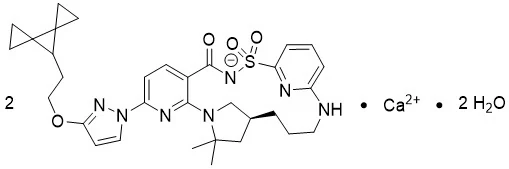
Vanzacaftor is provided as a calcium salt. Vanzacaftor calcium dihydrate is a white solid that is practically insoluble in water (< 0.1 mg/mL). Its chemical name is calcium bis((14S)-8-[3-(2-{dispiro[2.0.24.13]heptan-7-yl}ethoxy)pyrazol-1-yl]-12,12-dimethyl-2,2,4-trioxo-2λ6-thia-3,9,11,18,23-pentaazatetracyclo[17.3.1.111,14.05,10]tetracosa-1(23),5,7,9,19,21-hexaen-3-ide) dihydrate. Its molecular formula is C32H38N7O4S∙Ca0.5∙H2O and its molecular weight is 654.82. Vanzacaftor calcium dihydrate has the following structural formula:
Tezacaftor
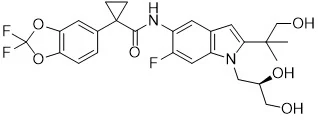
Tezacaftor is a white to off-white solid that is practically insoluble in water (< 5 microgram/mL). Its chemical name is 1-(2,2-difluoro-2H-1,3-benzodioxol-5-yl)-N-{1-[(2R)-2,3-dihydroxypropyl]-6-fluoro-2-(1-hydroxy-2-methylpropan-2-yl)-1H-indol-5-yl}cyclopropane-1-carboxamide. Its molecular formula is C26H27N2F3O6 and its molecular weight is 520.50. Tezacaftor has the following structural formula:
Deutivacaftor
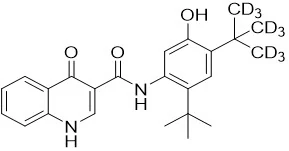
Deutivacaftor is a white to off-white solid that is practically insoluble in water (< 0.1 mg/mL). Pharmacologically, it is a CFTR potentiator. Its chemical name is N-(2-(tert-butyl)-5-hydroxy-4-(2-(methyl-d 3)propan-2-yl-1,1,1,3,3,3-d 6)phenyl)-4-oxo-1,4-dihydroquinoline-3-carboxamide. Its molecular formula is C24H19D9N2O3 and its molecular weight is 401.55. Deutivacaftor has the following structural formula:
12 CLINICAL PHARMACOLOGY
12.1 Mechanism of Action
Vanzacaftor and tezacaftor bind to different sites on the CFTR protein and have an additive effect in facilitating the cellular processing and trafficking of select mutant forms of CFTR (including F508del-CFTR) to increase the amount of CFTR protein delivered to the cell surface compared to either molecule alone. Deutivacaftor potentiates the channel open probability (or gating) of the CFTR protein at the cell surface.
The combined effect of vanzacaftor, tezacaftor and deutivacaftor is increased quantity and function of CFTR at the cell surface, resulting in increased CFTR activity as measured both by CFTR-mediated chloride transport in vitro and by sweat chloride in patients with CF.
CFTR Chloride Transport Assay in Fischer Rat Thyroid Cells Expressing Mutant CFTR Protein
Effects of vanzacaftor/tezacaftor/deutivacaftor on chloride transport for mutant CFTR protein was determined in Ussing chamber electrophysiology studies using a panel of Fischer Rat Thyroid (FRT) cell lines stably expressing CFTR protein from individual variants. Vanzacaftor/tezacaftor/deutivacaftor increased chloride transport in FRT cells expressing select CFTR variants, as identified in Table 5.
The threshold that the treatment-induced increase in chloride transport must exceed for the mutant CFTR protein to be considered responsive is ≥10% of normal over baseline. This threshold was used because it is expected to predict clinical benefit. For individual variants, the magnitude of the net change over baseline in CFTR-mediated chloride transport in vitro is not correlated with the magnitude of clinical response.
CFTR Chloride Transport Assay in Human Bronchial Epithelial Cells Expressing Mutant CFTR Protein
Homozygous and heterozygous N1303K- Human Bronchial Epithelial (HBE) cells showed greater chloride transport in the presence of vanzacaftor/tezacaftor/deutivacaftor than F508del/F508del-HBE cells treated with tezacaftor/ivacaftor which has shown clinical benefit in people homozygous for F508del.
Patient Selection
Select adult and pediatric patients 6 years of age and older for the treatment of CF with ALYFTREK based on a clinical diagnosis of CF and the presence of at least one variant in the CFTR gene that is either responsive based on clinical and/or in vitro data or results in production of CFTR protein [see Indications and Usage (1)].
ALYFTREK should only be used in patients with a clinical diagnosis of CF. The presence of eligible CFTR variant(s) should not be the sole determinant for using ALYFTREK.
Table 5 lists CFTR variants responsive to ALYFTREK based on clinical and/or in vitro data in FRT or HBE cells [see Clinical Studies (14)].
Table 5: List of CFTR Gene Variants Responsive to ALYFTREK
| The list of responsive CFTR variants is non-exhaustive. There may be protein-producing CFTR variants not listed that respond to treatment with ALYFTREK. | ||||||
| Based on Clinical DataClinical data is obtained from Trials 1 and 2. | ||||||
| A455E | G551DThis variant is also predicted to be responsive by FRT assay with ALYFTREK. | L1077P | R352Q | S1251N | S945L | W1098C |
| D1152H | G85E | L206W | R75Q | S549N | V562I | W1282R |
| F508del | H1054D | M1101K | S1159F | S549R | V754M | Y563N |
| G1244E | I336K | R1066H | ||||
| Based on in vitro DataThe N1303K variant is predicted to be responsive only by HBE assay. All other variants predicted to be responsive with in vitro data are supported by FRT assay. | ||||||
| 1140-1151dup | D443Y | G1265V | I1398S | M150R | R1283M | S977F |
| 1461insGAT | D443Y;G576A;R668CComplex/compound variants where a single allele of the CFTR gene has multiple variants; these exist independent of the presence of variants on the other allele. | G126D | I148L | M152L | R1283S | S977F;R1438W |
| 1507_1515del9 | D513G | G1298V | I148N | M152V | R1438W | T1036N |
| 2055del9 | D529G | G1349D | I148T | M265R | R170H | T1053I |
| 2183A→G | D565G | G149R | I148T;H609R | M348K | R248K | T1057R |
| 2851A/G | D567N | G149R;G576A;R668C | I175V | M394L | R258G | T1086A |
| 293A→G | D572N | G178E | I331N | M469V | R297Q | T1086I |
| 3007del6 | D579G | G178R | I336L | M498I | R31C | T1246I |
| 3131del15 | D58H | G194R | I444S | M952I | R31L | T1299I |
| 3132T→G | D58V | G194V | I497S | M952T | R334L | T1299K |
| 3141del9 | D614G | G213E | I502T | M961L | R334Q | T164P |
| 3143del9 | D651H | G213E;R668C | I506L | N1088D | R347H | T338I |
| 314del9 | D651N | G213V | I506T | N1195T | R347L | T351I |
| 3195del6 | D806G | G226R | I506V | N1303I | R347P | T351S |
| 3199del6 | D836Y | G239R | I506V;D1168G | N1303K | R352W | T351S;R851L |
| 3331del6 | D924N | G253R | I521S | N186K | R516G | T388M |
| 3410T→C | D979A | G27E | I530N | N187K | R516S | T465I |
| 3523A→G | D979V | G27R | I556V | N396Y | R553Q | T465N |
| 3601A→C | D985H | G314E | I586V | N418S | R555G | T501A |
| 3761T→G | D985Y | G314R | I601F | N900K | R560S | T582S |
| 3791C/T | D993A | G424S | I601T | P1013H | R560T | T604I |
| 3850G→A | D993G | G437D | I618N | P1013L | R600S | T908N |
| 3978G→C | D993Y | G451V | I618T | P1021L | R668C | T990I |
| 4193T→G | E1104K | G461R | I807M | P1021T | R709Q | V1008D |
| 546insCTA | E1104V | G461V | I86M | P111L | R74Q | V1010D |
| 548insTAC | E1126K | G463V | I980K | P1372T | R74Q;R297Q | V1153E |
| A1006E | E116K | G480C | K1060T | P140S | R74Q;V201M;D1270N | V11I |
| A1025D | E116Q | G480D | K162E | P205S | R74W | V1240G |
| A1067P | E1221V | G480S | K464E | P439S | R74W;D1270N | V1293G |
| A1067T | E1228K | G500D | K464N | P499A | R74W;R1070W;D1270N | V1293I |
| A1067V | E1409K | G545R | K522E | P574H | R74W;S945L | V1415F |
| A107G | E1433K | G551A | K522Q | P5L | R74W;V201M | V201M |
| A1081V | E193K | G551R | K951E | P67L | R74W;V201M;D1270N | V232A |
| A1087P | E217G | G551S | L1011S | P750L | R74W;V201M;L997F | V232D |
| A120T | E264V | G576A | L102R | P798S | R751L | V317A |
| A1319E | E282D | G576A;R668C | L102R;F1016S | P988R | R75L | V322M |
| A1374D | E292K | G576A;S1359Y | L1065P | P99L | R75Q;L1065P | V392G |
| A141D | E384K | G622D | L1065R | Q1012P | R75Q;N1088D | V456A |
| A1466S | E403D | G622V | L1227S | Q1100P | R75Q;S549N | V456F |
| A155P | E474K | G628A | L1324P | Q1209P | R792G | V520F |
| A234D | E527G | G628R | L1335P | Q1291H | R792Q | V520I |
| A234V | E56K | G85V | L137P | Q1291R | R810G | V562I;A1006E |
| A238V | E588V | G91R | L137R | Q1313K | R851L | V562L |
| A309D | E60K | G930E | L1388P | Q1352H | R933G | V591A |
| A349V | E822K | G970D | L1480P | Q151K | S1045Y | V603F |
| A357T | E92K | G970S | L159S | Q179K | S108F | V920L |
| A455V | F1016S | G970V | L15P | Q237E | S1118F | V920M |
| A457T | F1052V | H1079P | L15P;L1253F | Q237H | S1159P | V93D |
| A462P | F1074L | H1085P | L165S | Q237P | S1188L | W1282G |
| A46D | F1078S | H1085R | L167R | Q30P | S1235R | W202C |
| A534E | F1099L | H1375N | L210P | Q359K/T360K | S1255P | W361R |
| A554E | F1107L | H1375P | L293P | Q359R | S13F | W496R |
| A559T | F191V | H139L | L320V | Q372H | S13P | Y1014C |
| A559V | F200I | H139R | L327P | Q452P | S158N | Y1032C |
| A561E | F311del | H146R | L32P | Q493L | S182R | Y1032N |
| A566D | F311L | H147del | L333F | Q493R | S18I | Y1073C |
| A613T | F312del | H147P | L333H | Q552P | S18N | Y1092H |
| A62P | F433L | H199Q | L346P | Q98P | S308P | Y109C |
| A72D | F508C | H199R | L441P | Q98R | S341P | Y109H |
| A872E | F508C;S1251N | H199Y | L453S | R1048G | S364P | Y109N |
| c.1367_1369dupTTG | F508del;R1438W | H609L | L467F | R1066C | S434P | Y122C |
| C225R | F575Y | H609R | L558F | R1066G | S492F | Y1381H |
| C491R | F587I | H620P | L594P | R1066L | S50P | Y161C |
| C590Y | F587L | H620Q | L610S | R1066M | S519G | Y161D |
| C866Y | F693L(TTG) | H939R | L619S | R1070P | S531P | Y161S |
| D110E | F87L | H939R;H949L | L633P | R1070Q | S549I | Y301C |
| D110H | F932S | H954P | L636P | R1070W | S557F | Y517C |
| D110N | G1047D | I1023R | L88S | R1162L | S589I | Y569C |
| D1152A | G1047R | I1027T | L927P | R1162Q | S589N | Y89C |
| D1270N | G1061R | I105N | L967F;L1096R | R117C | S624R | Y913C |
| D1270Y | G1069R | I1139V | L967S | R117C;G576A;R668C | S686Y | Y913S |
| D1312G | G1123R | I1203V | L973F | R117G | S737F | Y919C |
| D1377H | G1173S | I1234L | L997F | R117H | S821G | |
| D1445N | G1237V | I1234Vdel6aa | M1101R | R117L | S898R | |
| D192G | G1244R | I125T | M1137R | R117L;L997F | S912L | |
| D192N | G1247R | I1269N | M1137V | R117P | S912L;G1244V | |
| D373N | G1249E | I1366N | M1210K | R1239S | S912T | |
| D426N | G1249R | I1366T | M150K | R1283G | S955P | |
12.2 Pharmacodynamics
Effects on Sweat Chloride
- In patients with CF heterozygous for F508del and a CFTR variant that results in a protein that is not responsive to ivacaftor or tezacaftor/ivacaftor [minimal function variant] (Trial 1) the treatment difference of ALYFTREK compared to ELX/TEZ/IVA for mean absolute change in sweat chloride from baseline through Week 24 was -8.4 mmol/L (95% CI: -10.5, -6.3; P <0.0001).
- In patients with CF homozygous for the F508del variant, heterozygous for the F508del variant and either a gating or a residual function variant, or at least one variant responsive to ELX/TEZ/IVA with no F508del variant (Trial 2), the treatment difference of ALYFTREK compared to ELX/TEZ/IVA for mean absolute change in sweat chloride from baseline through Week 24 was -2.8 mmol/L (95% CI: -4.7, -0.9; P = 0.0034).
- In an open-label trial in patients with CF aged 6 to less than 12 years with at least one variant that is responsive to ELX/TEZ/IVA (Trial 3) [see Adverse Reactions (6.1)], the mean absolute change in sweat chloride from baseline through Week 24 was -8.6 mmol/L (95% CI: -11.0, -6.3).
The clinical relevance of these differences in sweat chloride has not been established in interventional clinical trials.
Cardiac Electrophysiology
At approximately 6 times the maximum recommended dose of vanzacaftor, clinically significant QTc interval prolongation was not observed. Similarly, in separate studies of tezacaftor and ivacaftor evaluating up to 3 times the respective maximum recommended doses, clinically significant QTc interval prolongation was not observed.
12.3 Pharmacokinetics
The pharmacokinetic parameters for vanzacaftor, tezacaftor, and deutivacaftor in patients with CF aged 12 years and older are provided in Table 6 as mean (SD) unless otherwise specified. No clinically significant differences in the pharmacokinetics of vanzacaftor, tezacaftor, and deutivacaftor were observed between healthy adult subjects and patients with CF.
Table 6: Pharmacokinetics Parameters of ALYFTREK Components
| Vanzacaftor | Tezacaftor | Deutivacaftor | |
|---|---|---|---|
| Abbreviations: AUC: area under the concentration versus time curve; SD: Standard Deviation; Cmax: maximum observed concentration; Tmax: time of maximum concentration; ss: steady state | |||
| Exposure | |||
| Cmax,ss (mcg/mL) | 0.812 (0.344) | 6.77 (1.24) | 2.33 (0.637) |
| AUC0-24h,ss (mcg∙h/mL) | 18.6 (8.08) | 89.5 (28.0) | 39.0 (15.3) |
| Time to steady state | within 20 days | within 8 days | within 8 days |
| AUC Accumulation Ratio | 6.09 (1.81) | 1.92 (0.337) | 1.74 (0.497) |
| Absorption | |||
| Tmax Median (range) (hours) | 7.80 (3.70, 11.9) | 1.60 (1.40, 1.70) | 3.7 (2.7, 11.4) |
| Effect of food | |||
| AUCinf When administered with fat-containing meals relative to fasted conditions. Note: The high-fat meal was approximately 800-1000 calories with 50% fat. The low-fat meal was approximately 400-500 calories with 25% fat. | Increase 4- (low-fat meal) to 6- (high-fat meal) fold | No clinically significant change | Increase 3- (low-fat meal) to 4- (high-fat meal) fold |
| Distribution Vanzacaftor, tezacaftor, deutivacaftor do not partition preferentially into human red blood cells. | |||
| Apparent (oral) volume of distribution (L) | 121 (28.6) | 73.1 (13.3) | 159 (26.1) |
| Protein BindingVanzacaftor and deutivacaftor bind primarily to albumin and alpha 1-acid glycoprotein. Tezacaftor binds primarily to albumin. | > 99% | Approximately 99% | > 99% |
| Elimination | |||
| Effective Half-life (hours)The mean (SD) terminal half-lives of vanzacaftor, tezacaftor, and deutivacaftor are 54.0 (10.1) hours, 92.4 (23.1) hours and 17.3 (2.67) hours, respectively based on a single dose of vanzacaftor/tezacaftor/deutivacaftor tablets in healthy subjects in the fed state. | 92.8 (30.2) | 22.5 (5.85) | 19.2 (8.71) |
| Apparent (oral) Clearance (L/hours) | 1.34 (0.819) | 1.22 (0.390) | 7.29 (2.68) |
| Metabolism | |||
| Primary Pathway | CYP3A4/5 | CYP3A4/5 | CYP3A4/5 |
| Active metabolites | None | M1-TEZ | M1-D-IVA |
| Metabolite potency (relative to parent) | Not applicable | Similar | Approximately 20% |
| Excretion Following radiolabeled doses. | |||
| Feces | 91.6% (primarily metabolites) | 72% (unchanged or M2-TEZ) [0.79% as unchanged drug] | Not available |
| Urine | 0.50% | 13.7% | Not available |
Specific Populations
No clinically significant differences in the pharmacokinetics of vanzacaftor, tezacaftor, or deutivacaftor were observed based on age, sex, race, CFTR genotype, or mild to moderate renal impairment (eGFR 30 to <90 mL/min/1.73m2 as estimated by modification of diet in renal disease (MDRD) equation). The effect of severe renal impairment (eGFR less than 30 mL/min/1.73m2) on vanzacaftor, tezacaftor, or deutivacaftor pharmacokinetics is unknown.
Weight was identified as the key covariate having a clinically meaningful impact on pharmacokinetics of vanzacaftor, tezacaftor, and deutivacaftor.
Pediatric Patients Aged 6 to Less Than 18 Years
Vanzacaftor, tezacaftor and deutivacaftor exposures observed in clinical trials are presented by age group and dosage administered in Table 7. No clinically significant differences in vanzacaftor, tezacaftor, and deutivacaftor exposures were observed in patients with CF aged 6 to less than 18 years compared to adults following the recommended dosages.
Table 7: Mean (SD) Vanzacaftor, Tezacaftor and Deutivacaftor Exposures by Age Group
| Age Group | Weight | Dosage (once daily) | AUC0-24h (mcg∙h/mL) | ||
|---|---|---|---|---|---|
| Vanzacaftor | Tezacaftor | Deutivacaftor | |||
| Abbreviations: SD: Standard Deviation; AUC0-24h: Area Under the Concentration versus time curve at steady state | |||||
| 6 to <12 years | <40 kg (N = 70) | vanzacaftor 12 mg tezacaftor 60 mg deutivacaftor 150 mg | 13.0 (4.90) | 69.1 (20.7) | 30.2 (11.6) |
≥40 kg (N = 8) | vanzacaftor 20 mg tezacaftor 100 mg deutivacaftor 250 mg | 18.6 (7.49) | 101 (33.7) | 48.5 (18.7) | |
| 12 to <18 years | - (N = 66) | vanzacaftor 20 mg tezacaftor 100 mg deutivacaftor 250 mg | 15.8 (6.52) | 93.0 (32.5) | 37.1 (15.3) |
| ≥18 years | - (N = 414) | 19.0 (8.22) | 89.0 (27.2) | 39.3 (15.3) | |
Patients with Hepatic Impairment
Vanzacaftor AUC was approximately 30% lower, tezacaftor AUC was comparable, and deutivacaftor AUC was approximately 20% lower in subjects with moderate hepatic impairment (Child-Pugh Class B) compared to subjects with normal liver function matched for demographics [see Use in Specific Populations (8.7)].
The effect of mild hepatic impairment (Child-Pugh Class A) or severe hepatic impairment (Child-Pugh Class C) on vanzacaftor, tezacaftor, or deutivacaftor pharmacokinetics is unknown.
Drug Interaction Studies
Clinical Studies and Model-Informed Approaches
Exposure changes associated with concomitant use of vanzacaftor, tezacaftor, ivacaftor and/or deutivacaftor with other drugs are shown in Table 8.
Table 8: Observed or Predicted Exposure Changes Associated with Concomitant Use of Vanzacaftor, Tezacaftor, Ivacaftor and/or Deutivacaftor with Other Drugs
| Dosage | Effected Drug | Geometric Mean Ratio (90% CI) No Effect = 1.0 | ||
|---|---|---|---|---|
| AUC | Cmax | |||
| Abbreviations: CI = Confidence Interval; ELX = elexacaftor; VNZ = vanzacaftor; TEZ = tezacaftor; IVA = ivacaftor; D-IVA = deutivacaftor; PK = Pharmacokinetics; qd = once daily | ||||
Itraconazole 200 mg q12h on Day 1, followed by 200 mg daily | TEZ 25 mg daily + IVA 50 mg daily | Tezacaftor | 4.02 (3.71, 4.63) | 2.83 (2.62, 3.07) |
Itraconazole 200 mg daily | ELX 20 mg + TEZ 50 mg + D-IVA 50 mg single dose | Tezacaftor | 4.51 (3.85, 5.29) | 1.48 (1.33, 1.65) |
| Deutivacaftor | 11.1 (8.72, 14.1) | 1.96 (1.70, 2.26) | ||
Itraconazole 200 mg dailyThe itraconazole dosing (200 mg qd for 14 days) did not fully cover the elimination of vanzacaftor. A 10.5-fold increase in vanzacaftor AUC is predicted by physiologically based pharmacokinetic modeling and simulations when itraconazole fully covers the elimination. | VNZ 5 mg single dose | Vanzacaftor | 6.37 (5.53, 7.35) | 1.55 (1.41, 1.70) |
CiprofloxacinEffect is not clinically significant [see Drug Interactions (7.3)]. 750 mg twice daily | TEZ 50 mg q12h + IVA 150 mg q12h | Tezacaftor | 1.08 (1.03, 1.13) | 1.05 (0.99, 1.11) |
Digoxin 0.5 mg single dose | TEZ 25 mg daily + IVA 50 mg daily | Digoxin | 1.3 (1.17, 1.45) | 1.32 (1.07, 1.64) |
Fluconazole 200 mg daily | VNZ 20 mg qd + TEZ 100 mg + D-IVA 250 mg qd | Vanzacaftor | 2.55 (2.12, 3.12)Predicted by physiologically based pharmacokinetic modeling and simulations. Data presented as geometric mean ratio and 5th to 95th percentiles of individuals in the simulated population [see Drug Interactions (7.1)]. | 2.48 (2.04, 3.01) |
| Deutivacaftor | 3.13 (2.44, 3.95) | 2.27 (1.82, 2.93) | ||
Erythromycin 500 mg four times daily | VNZ 20 mg qd + TEZ 100 mg + D-IVA 250 mg qd | Vanzacaftor | 3.29 (1.62, 7.55) | 3.19 (1.60, 7.29) |
| Deutivacaftor | 4.13 (1.80, 9.73) | 2.89 (1.52, 6.97) | ||
Verapamil 80 mg three times daily | VNZ 20 mg qd + TEZ 100 mg + D-IVA 250 mg qd | Vanzacaftor | 3.93 (1.84, 8.75) | 3.80 (1.78, 8.33) |
| Deutivacaftor | 5.11 (2.06, 12.5) | 3.43 (1.64, 7.65) | ||
Rifampin 600 mg daily | VNZ 20 mg qd + TEZ 100 mg + D-IVA 250 mg qd | Vanzacaftor | 0.18 (0.10, 0.34) | 0.22 (0.12, 0.38) |
| Deutivacaftor | 0.10 (0.04, 0.26) | 0.20 (0.08, 0.44) | ||
Carbamazepine 400 mg twice daily | VNZ 20 mg qd + TEZ 100 mg + D-IVA 250 mg qd | Vanzacaftor | 0.44 (0.28, 0.61) | 0.46 (0.31, 0.64) |
| Deutivacaftor | 0.24 (0.11, 0.47) | 0.32 (0.17, 0.57) | ||
Efavirenz 600 mg daily | VNZ 20 mg qd + TEZ 100 mg + D-IVA 250 mg qd | Vanzacaftor | 0.31 (0.16, 0.57) | 0.35 (0.19, 0.59) |
| Deutivacaftor | 0.27 (0.11, 0.50) | 0.44 (0.23, 0.68) | ||
Other Drugs: No clinically significant differences in tezacaftor pharmacokinetics were observed when tezacaftor/ivacaftor was used concomitantly with ciprofloxacin. No clinically significant differences in the pharmacokinetics of the following drugs were observed when used concomitantly with tezacaftor/ivacaftor: midazolam (CYP3A4 substrate) or ethinyl estradiol/norethindrone containing hormonal contraceptives.
In Vitro Studies
CYP450 Enzymes: Vanzacaftor, tezacaftor, and deutivacaftor are CYP3A substrates. Deutivacaftor inhibits CYP2C8, CYP2C9, and CYP3A4. Vanzacaftor and tezacaftor do not inhibit CYP1A2, CYP2B6, CYP2C8, CYP2C9, CYP2C19, CYP2D6, and CYP3A4. Vanzacaftor, tezacaftor, and deutivacaftor do not induce CYP3A4.
Transporter Systems: Tezacaftor and deutivacaftor are substrates of P-gp, but vanzacaftor is not a substrate of P-gp. Tezacaftor is a substrate of BCRP, OATP1B1, but not OATP1B3. Vanzacaftor and deutivacaftor are not substrates for OATP1B1 or OATP1B3. Vanzacaftor and deutivacaftor are BCRP inhibitors. Vanzacaftor, tezacaftor and deutivacaftor are P-gp inhibitors. Vanzacaftor, tezacaftor, and deutivacaftor do not inhibit OATP1B1 nor OATP1B3.
13 NONCLINICAL TOXICOLOGY
13.1 Carcinogenesis, Mutagenesis, Impairment of Fertility
No studies of carcinogenicity, mutagenicity, or impairment of fertility were conducted with the combination of vanzacaftor, tezacaftor, and deutivacaftor; however, separate studies of vanzacaftor, tezacaftor, deutivacaftor, and ivacaftor are described below.
Vanzacaftor
A 6-month study in Tg.rasH2 mice showed no evidence of tumorigenicity at 30 mg/kg/day dose, the highest dose tested.
Vanzacaftor was negative for genotoxicity in the following assays: Ames test for bacterial gene variant, in vitro micronucleus assay in TK6 cells, and in vivo rat micronucleus assay.
Administration of oral vanzacaftor had no effects on fertility and early embryonic development in male and female rats at up to 12.5 and 10 mg/kg/day, respectively (approximately 19 times for males and 30 times for females the exposure at the MRHD based on AUCs of vanzacaftor).
Tezacaftor
A two-year study in Sprague-Dawley rats and a 6-month study in Tg.rasH2 transgenic mice were conducted to assess the carcinogenic potential of tezacaftor. No evidence of tumorigenicity from tezacaftor was observed in male and female rats at oral doses up to 50 and 75 mg/kg/day (approximately 2 and 4 times the MRHD based on summed AUCs of tezacaftor and M1-TEZ in males and females, respectively). No evidence of tumorigenicity was observed in male and female Tg.rasH2 transgenic mice at tezacaftor doses up to 500 mg/kg/day.
Tezacaftor was negative for genotoxicity in the following assays: Ames test for bacterial gene variant, in vitro chromosomal aberration assay in Chinese hamster ovary cells and in vivo mouse micronucleus test.
There were no effects on male or female fertility and early embryonic development in rats at oral tezacaftor doses up to 100 mg/kg/day (approximately 3 times the MRHD based on summed AUC of tezacaftor and M1-TEZ).
Deutivacaftor
Deutivacaftor is a deuterated isotopologue of ivacaftor with an established toxicity profile similar to ivacaftor based on a 13-week single-agent repeat dose toxicity study; therefore, reproductive and developmental toxicity data and carcinogenicity data from ivacaftor are expected to be equivalent to deutivacaftor.
Ivacaftor
Two-year studies were conducted in CD-1 mice and Sprague-Dawley rats to assess the carcinogenic potential of ivacaftor. No evidence of tumorigenicity from ivacaftor was observed in mice or rats at oral doses up to 200 mg/kg/day and 50 mg/kg/day, respectively (approximately equivalent to 3 and 11 times the MRHD, respectively, based on summed AUCs of ivacaftor).
Ivacaftor was negative for genotoxicity in the following assays: Ames test for bacterial gene variant, in vitro chromosomal aberration assay in Chinese hamster ovary cells and in vivo mouse micronucleus test.
Ivacaftor impaired fertility and reproductive performance indices in male and female rats at 200 mg/kg/day (approximately 15 and 13 times, respectively, the MRHD based on AUCs of ivacaftor). Increases in prolonged diestrus were observed in females at 200 mg/kg/day. Ivacaftor also increased the number of females with all nonviable embryos and decreased corpora lutea, implantations and viable embryos in rats at 200 mg/kg/day when dams were dosed prior to and during early pregnancy. Slight decreases of the seminal vesicle weights were observed in males at 200 mg/kg/day dose (approximately 15 times the MRHD based on summed AUCs of ivacaftor). These impairments of fertility and reproductive performance in male and female rats at 200 mg/kg/day were attributed to severe toxicity.
14 CLINICAL STUDIES
The efficacy of ALYFTREK in patients aged 12 years and older with cystic fibrosis (CF) who have at least one F508del variant or a responsive variant in the CFTR gene was evaluated in two 52-week randomized, double-blind, active-controlled trials comparing ALYFTREK and a fixed-dose combination drug containing elexacaftor, tezacaftor, and ivacaftor (ELX/TEZ/IVA) (Trial 1, NCT05033080 and Trial 2, NCT05076149). The two trials enrolled a total of 971 patients aged 12 years and older with CF who have at least one F508del variant or other ELX/TEZ/IVA-responsive variants in the CFTR gene. Because patients in Trial 1 and Trial 2 would receive ELX/TEZ/IVA, patients with a history of intolerance to ELX/TEZ/IVA were excluded from these trials.
- Trial 1 enrolled patients with CF heterozygous for F508del and a CFTR variant that results in a protein that was not responsive to ivacaftor or tezacaftor/ivacaftor (minimal function variant). A total of 398 patients with CF aged 12 years and older received a daily oral dosage of ELX/TEZ/IVA (elexacaftor 200 mg/tezacaftor 100 mg/ivacaftor 150 mg in the morning and ivacaftor 150 mg in the evening) during a 4-week run-in period and were then randomized to receive ALYFTREK (total once daily oral dosage of vanzacaftor 20 mg/tezacaftor 100 mg/deutivacaftor 250 mg) or ELX/TEZ/IVA (same dosage as in the run-in period) during the 52-week treatment period. Patients had a mean age of 30.8 years (range: 12.2 to 71.6 years), were 59% male, 97.5% White, 1.3% Black/African American, 0.3% Asian, 0.3% Other race, and 6% Hispanic or Latino ethnicity. After the 4₋week run-in, the mean ppFEV1 at baseline was 67.1 percentage points (range: 28.0, 108.6) and the mean sweat chloride at baseline was 53.9 mmol/L (range: 10.0 mmol/L, 113.5 mmol/L).
- Trial 2 enrolled patients with CF who had one of the following genotypes: homozygous for the F508del variant, heterozygous for the F508del variant and either a gating or a residual function variant, or at least one variant responsive to ELX/TEZ/IVA with no F508del variant. A total of 573 patients with CF aged 12 years and older received a daily oral dosage of ELX/TEZ/IVA (elexacaftor 200 mg/tezacaftor 100 mg/ivacaftor 150 mg in the morning and ivacaftor 150 mg in the evening) during a 4-week run-in period and were then randomized to receive ALYFTREK (total once daily oral dosage of vanzacaftor 20 mg/tezacaftor 100 mg/ deutivacaftor 250 mg) or ELX/TEZ/IVA (same dosage as during the run-in period) during the 52-week treatment period. Patients had a mean age of 33.7 years (range: 12.2 to 71.2 years), were 51.1% male, 92.8% White, 0% Black/African American, 0.3% Asian, 0.2% American Indian or Alaska Native, 0.3% Other race, and 1.6% Hispanic or Latino ethnicity. After the 4-week run-in, the mean ppFEV1 at baseline was 66.8 percentage points (range: 36.4, 112.5) and the mean sweat chloride at baseline was 42.8 mmol/L (range: 10.0 mmol/L, 113.3 mmol/L).
Efficacy Endpoints
In both trials, the primary endpoint evaluated non-inferiority in mean absolute change in ppFEV1 from baseline through Week 24 and a key secondary endpoint evaluated the mean absolute change from baseline in sweat chloride through Week 24 in the ALYFTREK and ELX/TEZ/IVA treatment groups.
Trials 1 and 2 also assessed other secondary endpoints including pulmonary exacerbation rate and change in Cystic Fibrosis Questionnaire-Revised respiratory domain (CFQ-R RD) score from baseline.
Efficacy Results
- In Trial 1, treatment with ALYFTREK resulted in an LS mean difference of 0.2 percentage points (95% CI: -0.7, 1.1) in absolute change in ppFEV1 from baseline through Week 24 compared to ELX/TEZ/IVA.
- In Trial 2, treatment with ALYFTREK resulted in an LS mean difference of 0.2 percentage points (95% CI: -0.5, 0.9) in absolute change in ppFEV1 from baseline through Week 24 compared to ELX/TEZ/IVA.
As the lower bounds of the 95% CI of the LS mean difference in absolute change from baseline in ppFEV1 through Week 24 were greater than -3.0 percentage points (the pre-specified non-inferiority margin) in Trial 1 and Trial 2, these results demonstrate non-inferiority of ALYFTREK to ELX/TEZ/IVA.
Table 9 provides the primary and key secondary efficacy endpoints results for Trials 1 and 2.
Table 9: Efficacy Results in Patients Aged 12 Years and Older with CF Who Had at Least One F508del Variant or Responsive Variant in the CFTR Gene (Trials 1 and 2)
| AnalysisA 4-week ELX/TEZ/IVA run-in-period was performed to establish an on-treatment baseline. | Statistic | Trial 1 | Trial 2 | ||
|---|---|---|---|---|---|
ALYFTREK N = 196 | ELX/TEZ/IVA N = 202 | ALYFTREK N = 284 | ELX/TEZ/IVA N = 289 | ||
| ppFEV1: percent predicted Forced Expiratory Volume in 1 second; CI: Confidence Interval; SE: Standard Error; SwCl: sweat chloride | |||||
| Note: Analyses were based on the full analysis set (FAS). FAS was defined as all randomized subjects who carry the intended CFTR allele variant and received at least 1 dose of study drug. | |||||
| Primary Endpoint | |||||
| Absolute change from baseline in ppFEV1 through Week 24 (percentage points) | n | 187 | 193 | 268 | 276 |
| LS mean (SE) | 0.5 (0.3) | 0.3 (0.3) | 0.2 (0.3) | 0.0 (0.2) | |
| LS mean difference, 95% CIThe pre-specified non-inferiority margin was -3.0 percentage points. | 0.2 (-0.7, 1.1) | 0.2 (-0.5, 0.9) | |||
| Key Secondary Endpoint | |||||
| Absolute change from baseline in SwCl through Week 24 (mmol/L) | n | 185 | 194 | 270 | 276 |
| LS mean (SE) | -7.5 (0.8) | 0.9 (0.8) | -5.1 (0.7) | -2.3 (0.7) | |
| LS mean difference, 95% CI | -8.4 (-10.5, -6.3) | -2.8 (-4.7, -0.9) | |||
| P-value (2-sided) | < 0.0001 | 0.0034 | |||
The trials were not designed to demonstrate a difference between the treatment groups or to support non-inferiority of the other secondary endpoints. In Trial 1 and Trial 2, mean absolute change from baseline ppFEV1 through Week 52, the rate in pulmonary exacerbations through Week 52, and the absolute change from baseline in the CFQ-R RD through Week 24 were similar between the ALYFTREK-treated and the ELX/TEZ/IVA-treated patients. The results were not tested for statistical significance as they were not in the pre-specified multiple testing procedure.
16 HOW SUPPLIED/STORAGE AND HANDLING
ALYFTREK (vanzacaftor, tezacaftor, and deutivacaftor) tablets are supplied as follows:
Table 10: ALYFTREK Tablets and Package Configuration
| Strengths | Tablet Description | Package Configuration | NDC |
|---|---|---|---|
| 4 mg of vanzacaftor/ 20 mg of tezacaftor / 50 mg of deutivacaftor | purple, round-shaped, film-coated, debossed with "V4" on one side and plain on the other | 84-count carton containing 4 wallets, each wallet containing 21 tablets in blister packs | NDC 51167-135-01 |
| 10 mg of vanzacaftor/ 50 mg of tezacaftor / 125 mg of deutivacaftor | purple, oblong-shaped, film-coated, debossed with "V10" on one side and plain on the other | 56-count carton containing 4 wallets, each wallet containing 14 tablets in blister packs | NDC 51167-121-01 |
Store at 20°C - 25°C (68°F - 77°F); excursions permitted to 15°C - 30°C (59°F - 86°F) [see USP Controlled Room Temperature].
17 PATIENT COUNSELING INFORMATION
Advise the patient to read the FDA-approved patient labeling (Medication Guide).
Drug-Induced Liver Injury and Liver Failure
Inform patients that elevations of transaminases have occurred in patients with CF treated with ALYFTREK and that cases of drug-induced liver injury and failure have been observed with fixed-dose combination drug containing elexacaftor, tezacaftor, and ivacaftor, which contains the same or similar active ingredients as ALYFTREK.
Advise all patients that liver function tests should be assessed prior to initiating ALYFTREK, and then assessed every month during the first 6 months of treatment, then every 3 months for the next 12 months, then at least annually thereafter. Inform patients with a history of liver disease or liver function test elevations at baseline that more frequent monitoring may be necessary. Instruct patients to interrupt treatment with ALYFTREK if symptoms of liver injury occur (e.g., jaundice, right upper quadrant pain, nausea, vomiting, altered mental status, ascites) and notify their healthcare provider immediately [see Dosage and Administration (2.1), Warnings and Precautions (5.1), Adverse Reactions (6.1), Use in Specific Populations (8.7) and Clinical Pharmacology (12.3)].
Hypersensitivity Reactions, Including Anaphylaxis
Inform patients that hypersensitivity reactions including anaphylaxis have been reported in patients who received drugs containing elexacaftor, tezacaftor, and/or ivacaftor (the same or similar active ingredients as ALYFTREK). Instruct patients to discontinue ALYFTREK and notify their healthcare provider if they experience signs and symptoms of a hypersensitivity reaction, including rash, hives, itching, facial swelling, tightness of the chest and wheezing [see Warnings and Precautions (5.2)].
Patients Who Discontinued or Interrupted Elexacaftor-, Tezacaftor-, or Ivacaftor-Containing Drugs Due to Adverse Reactions
Inform patients that there is no available safety data for ALYFTREK in patients who previously discontinued or interrupted treatment with elexacaftor-, tezacaftor-, or ivacaftor-containing drugs due to adverse reactions. These patients who start treatment with ALYFTREK may require closer and more frequent monitoring [see Warnings and Precautions (5.3)].
Intracranial Hypertension
Inform patients that intracranial hypertension has occurred in patients who received drugs containing the same or similar active ingredients as ALYFTREK. Instruct patients to notify their healthcare provider right away if they experience signs and symptoms of intracranial hypertension, including headache, blurred vision, diplopia, and vision loss [see Warnings and Precautions (5.4)].
Neuropsychiatric Events, Including Suicidal Thoughts and Behaviors
Inform patients that neuropsychiatric symptoms, including anxiety, depression, suicidal thoughts and behaviors, and sleep disturbances (e.g., insomnia), have been reported with the use of ALYFTREK or drugs containing the same or similar active ingredients as ALYFTREK. The symptoms have been observed in patients with and without a history of similar symptoms and may occur within three months of ALYFTREK initiation. Instruct patients to contact their healthcare provider immediately if changes in behavior or thinking that are not typical for the patient occur, or if the patient develops suicidal ideation or behavior [see Warnings and Precautions (5.5)].
Drug Interactions with CYP3A Inducers and Inhibitors
Inform patients that certain medications, herbal supplements, or vitamins, when used concomitantly with ALYFTREK, may reduce the effectiveness of ALYFTREK or increase the risk of adverse reactions associated with ALYFTREK. Instruct patients to report all concomitant medications, herbal supplements, or vitamins, to their healthcare providers while taking ALYFTREK [see Dosage and Administration (2.3), Warnings and Precautions (5.6, 5.7) and Drug Interactions (7.1)].
Instruct patients to avoid food or drink containing grapefruit when using ALYFTREK [see Drug Interactions (7.1)].
Cataracts
Inform patients that abnormality of the eye lens (cataract) has been noted in some pediatric patients receiving drugs containing ivacaftor (which is similar to an active ingredient in ALYFTREK) and baseline and follow-up ophthalmological examinations are needed in pediatric patients receiving ALYFTREK [see Warnings and Precautions (5.8) and Nonclinical Toxicology (13.1)].
Administration
Inform patients that ALYFTREK is best absorbed by the body when taken with food that contains fat. Examples include eggs, butter, peanut butter, whole-milk dairy products (such as whole milk, cheese and yogurt), etc. [see Dosage and Administration (2.2) and Clinical Pharmacology (12.3)].
Inform patients of the following if they miss an ALYFTREK dose [see Dosage and Administration (2.5)]:
- If 6 hours or less have passed since the missed dose is usually taken, patients with CF should be instructed to take the prescribed dose with fat-containing food as soon as possible.
- If more than 6 hours have passed since the missed dose, patients with CF should be instructed to skip the missed dose and continue on the original schedule the next day.
Manufactured for
Vertex Pharmaceuticals Incorporated
50 Northern Avenue
Boston, MA 02210
ALYFTREK, VERTEX and associated logos are trademarks of Vertex Pharmaceuticals Incorporated.
All other trademarks referenced herein are the property of their respective owners.
©2026 Vertex Pharmaceuticals Incorporated
All Rights Reserved